How to Prune Tibetan cherry?
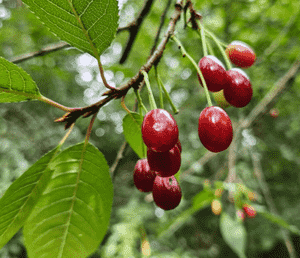
Recognized for its lustrous, reddish-brown bark and pristine white flowers, Prunus serrula is optimally trimmed in late winter or early spring to preserve its structure and stimulate robust development. Eliminating older limbs and excising any lifeless or ailing timber improves light penetration and airflow. Meticulous focus on severing just above buds facing outward fosters an attractive, organic silhouette. Refrain from severe reduction to prevent diminishing the distinctive bark exhibition.
What Are the Benefits of Pruning Tibetan Cherry?
What Are the Benefits of Pruning Tibetan Cherry?
Trimming tibetan cherry promotes robust development and maintains an appealing shape. Regular cutting eliminates dead limbs, stimulating vigorous new shoots and ensuring the plant stays well-formed and visually pleasing.
What Is the Best Time for Pruning Tibetan Cherry?
What Is the Best Time for Pruning Tibetan Cherry?
Pruning tibetan cherry from late winter to early spring aligns with its dormant period before new growth begins. This timing minimizes sap loss, which can weaken the tree and attract pests or diseases. It also allows for shaping without leaf obstruction, and ensures quick wound healing as the plant enters its growth phase, reducing disease susceptibility. Pruning at this time doesn't impact flowering, as tibetan cherry blooms on old wood, thus enhancing its health and appearance without compromising its distinctive bark or spring blossoms.
What Tools Do I Need to Prune Tibetan Cherry?
Hand Pruners
Perfect for making clean cuts on tibetan cherry's smaller branches, ensuring minimal harm to the plant's structure.
Loppers
Offer extra leverage for cutting tibetan cherry's thicker branches, especially useful for hard-to-reach spots.
Pruning Saw
Essential for any mature branches that hand pruners and loppers cannot manage, allowing precise cuts without tearing tibetan cherry's bark.
Hand Shears
Suitable for shaping tibetan cherry's overall form and managing its size, which is important for its aesthetic appeal.
How to Prune Tibetan Cherry
Identify
Thoroughly inspect tibetan cherry to locate all dead and diseased branches. Look for limbs that are discolored, brittle, or lack foliage during the growing season.
Sanitize
Before making any cuts, disinfect your pruning tools to prevent disease spread. Use a solution of 1 part bleach to 9 parts water or an alcohol-based sanitizer to clean the blades.
Cut Diseased
For diseased branches on tibetan cherry, cut them back to healthy wood, well below any discolored or visibly affected areas. If the entire branch is diseased, prune it back to the base or to the nearest healthy lateral branch or bud.
Cut Dead
Remove dead branches from tibetan cherry by making cuts at a 45-degree angle, just above an outward-facing bud or lateral branch. This promotes outward growth and prevents water from collecting on the cut surface.
Cleanup
After finishing the pruning process on tibetan cherry, clear away all debris to minimize the potential for disease and pests. Dispose of or destroy diseased wood to avoid contaminating healthy parts of the plant or other plants.
Common Pruning Mistakes with Tibetan Cherry
Overpruning
Removing too much foliage or branch structure at once can stress tibetan cherry, leading to reduced vigor, and potentially exposing the plant to disease or pests.
Improper Cut Location
Cutting too close or too far from the bud can hinder tibetan cherry's growth. Too close can damage the bud, too far can leave unsightly and potentially harmful stubs.
Using Dull Tools
Dull pruning tools can harm tibetan cherry's branches, causing rough or jagged cuts that are more vulnerable to disease.
Pruning During Active Growth
While general timing is not to be discussed, pruning tibetan cherry when it's actively growing can disrupt its growth and flowering cycles.
Neglecting Tool Hygiene
Failing to clean and disinfect tools between uses can spread disease from one part of tibetan cherry to another, or between different plants.
Common Pruning Tips for Tibetan Cherry
Selective Thinning
For tibetan cherry, thin selectively to enhance light penetration and air circulation, encouraging healthy growth. Remove any crowded or crossing branches to maintain a strong structure.
Correct Angle
Make cuts at a 45-degree angle above an outward-facing bud to direct new growth away from the center of tibetan cherry, promoting a more open habit which is crucial for its health and aesthetic.
Focus On Dead Or Diseased Wood
Prioritize removal of dead, diseased, or damaged wood to keep tibetan cherry healthy. Such tissues can harbor diseases or pests and should be pruned out promptly.
Retaining Shape
While shaping tibetan cherry, respect its natural form. Avoid excessive topping or shaping that can lead to a decline in health and vigor, detracting from its natural beauty.
Post-Pruning Care
After pruning tibetan cherry, ensure to provide proper care, such as watering and mulching, to support recovery and growth without the stress of competition for resources.



