How to Prune Black cherry?
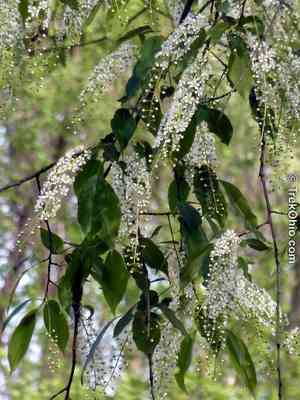
This fruiting arboreal species is recognized for its white blossoms in spring and its fall leaf display. Essential trimming methods for black cherry involve excising deceased or ailing limbs, sculpting the crown to allow sunlight to permeate, and fostering air movement. Perform pruning on black cherry during late winter to encourage robust growth in the spring. Refrain from over-pruning, as this can diminish fruit yield. Pruning aids black cherry by elevating its aesthetic appeal and fruit output, concurrently hindering the dissemination of diseases.
What Are the Benefits of Pruning Black Cherry?
What Are the Benefits of Pruning Black Cherry?
Trimming black cherry boosts yields by encouraging the growth of fruit-bearing structures. Strategic cuts foster robust development while preserving the desired form, ensuring a strong and visually appealing plant.
What Is the Best Time for Pruning Black Cherry?
What Is the Best Time for Pruning Black Cherry?
Pruning in late winter aligns with black cherry's dormant phase, minimizing stress and sap loss. This timing allows wounds to heal rapidly with spring's new growth. It also avoids infection risks from pathogens less active in cold weather. Additionally, without leaves, black cherry's structure is clearer, aiding better branch removal decisions. Furthermore, pruning before flowering and fruiting directs energy towards healthy fruit and strong growth, rather than supporting unnecessary branches.
What Tools Do I Need to Prune Black Cherry?
Hand Pruners
For cutting small branches under 1 inch in diameter on black cherry, hand pruners, also known as secateurs, are perfect. A bypass style is recommended for cleaner cuts, which helps black cherry heal faster and reduces disease risk.
Lopping Shears
For branches between 1 and 2 inches thick on black cherry, lopping shears offer the extra leverage needed for tougher cuts. Their long handles also allow reaching higher branches without a ladder.
Pruning Saws
For larger branches exceeding 2 inches in diameter, a pruning saw is essential for making clean cuts without harming the black cherry. A curved blade saw is effective for this purpose and permits precision in tight areas.
Pole Pruners
When dealing with higher branches of black cherry, a pole pruner enables access without a ladder. This tool should be used cautiously with appropriate safety gear to prevent injury from falling branches.
Hedge Shears
While not typically used for detailed pruning, hedge shears can be useful for creating straight, even lines when shaping hedges or performing formative pruning on young black cherry saplings.
Pruning Gloves
To protect your hands from scratches and ensure a better grip on tools when pruning black cherry, wear gloves specifically designed for pruning tasks.
How to Prune Black Cherry
Step1: Evaluate Tree Structure for Pruning
Assess the structure and health of black cherry, looking for dead wood, diseased limbs, and weak shoots. This evaluation will help determine the scope and extent of necessary pruning. Schedule pruning during late winter or early spring for optimal timing when black cherry is dormant.
Step2: Sterilize Pruning Equipment
Sterilize your pruning tools with a solution of 1 part bleach to 9 parts water to prevent disease spread. Clean tools after each cut on diseased wood, and before pruning a different tree.
Step3: Remove Dead Wood
Begin by removing all dead wood. Use sharp, clean pruning shears or a saw, making cuts at a comfortable distance from the main trunk to avoid damaging the collar. Aim to cut just beyond where dead tissue ends and healthy wood begins.
Step4: Cut Out Diseased Limbs
Identify and carefully remove diseased limbs. Make cuts well into healthy tissue to ensure complete removal of diseased parts. Dispose of these properly as they can harbor pathogens that might infect the tree if left on the ground.
Step5: Thin Weak Shoots
Thin out weak shoots that do not contribute to black cherry's structure or aesthetics. These can be shoots growing inward towards the tree's center or crossing and rubbing against other branches, which can cause wounds and invite disease.
Step6: Shape the Tree Post-Pruning
After removing dead, diseased, and weak parts, step back to assess black cherry's shape. Prune for shape if necessary, remembering to maintain the tree's natural habit and avoid over-thinning, which can cause sun scalding or excessive sucker growth.
Step7: Smooth Out Leftover Stubs
Finish by making clean-up cuts if stubs were left from the initial removal of larger branches. These should be cut close to the branch collar without leaving a stub, but also without cutting into the collar itself, to promote quick healing.
Step8: Dispose of Pruned Material
Collect all pruned material and dispose of it away from black cherry to prevent possible reinfection or pest attraction. If the material is disease-free, it can be used for composting.
Step9: Water Tree After Pruning
Water black cherry thoroughly after pruning to help reduce stress. Do not fertilize immediately after pruning, as this can promote rapid growth when the tree should be healing.
Step10: Monitor Tree Health Post-Pruning
Monitor black cherry for signs of stress or disease in the following growing season. Proper aftercare is crucial, especially if significant pruning has occurred. Provide water during dry periods and consider a balanced fertilizer if growth appears sluggish.
Post-Pruning Care for Black Cherry
Post-Pruning Care for Black Cherry
Immediately after pruning black cherry, ensure clean cuts to prevent disease. Provide black cherry with bright, indirect light and maintain moderate humidity to reduce stress. Adjust watering to reflect black cherry's reduced foliage, keeping soil moist but not waterlogged. Apply a balanced, slow-release fertilizer to support black cherry's recovery and new growth. Regularly inspect black cherry for signs of stress, such as wilting or discolored leaves, and for infection around cut areas. If issues arise, promptly treat with appropriate fungicides or insecticides, following manufacturer's guidelines.
Common Pruning Mistakes with Black Cherry
Unclean Tools Spread Diseases
Failing to sanitize pruning tools before and after use, which can spread diseases to black cherry or between plants.
Excessive Pruning Harms Plant Health
Pruning too much at once, removing over one-third of the tree's canopy in a single season, which can stress black cherry and make it vulnerable to disease and pest infestations.
Improper Cuts Lead to Damage and Poor Healing
Making incorrect cuts or tearing the bark, which can damage black cherry and impede proper healing.
Incorrect Cut Placement Increases Decay Risk
Leaving stubs or cutting too close to the trunk, increasing the risk of decay organisms entering black cherry.
Unplanned Pruning Causes Imbalance and Weakness
Pruning without a clear objective, leading to an imbalanced or weakened structure for black cherry.
Common Pruning Tips for Black Cherry
Clean, Sharp Cuts Promote Quick Healing
Use clean, sharp tools to make precise cuts that heal rapidly, reducing the chance of disease in black cherry.
Remove Unhealthy Branches to Enhance Plant Health
Target dead, diseased, or damaged branches for removal to maintain black cherry's health and aesthetic appeal.
Proper Cut Location Ensures Efficient Healing
Cut just outside the branch collar without damaging it to promote efficient healing of black cherry.
Maintain Tree Structure to Prevent Wounds
Prune to maintain a strong tree structure, removing crossing or rubbing branches to prevent wounds that could be entry points for pests and diseases in black cherry.
Thin for Better Light and Air, Reducing Disease Risk
Thin out dense areas to improve light penetration and air circulation, which can help reduce the likelihood of disease and pests in black cherry.
Conserve Natural Shape with Conservative Pruning
Retain the tree's natural shape, taking care not to over-prune, as black cherry benefits from a more conservative approach to maintain its health and vigor.



