How to Prune Chinese plum?
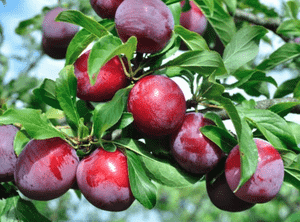
The chinese plum, a deciduous fruit-bearing tree recognized for its early blossoms and delectable produce, flourishes with meticulous trimming. Key pruning methods involve reducing dense branches to enhance light exposure and air movement, alongside excising deceased, injured, or ailing wood to foster robust development. Trimming should occur in late winter, prior to the commencement of spring growth, to alleviate strain and boost fruit yield. Pruning not only sculpts the tree and stimulates abundant crops but also deters infestations and illnesses.
What Are the Benefits of Pruning Chinese Plum?
What Are the Benefits of Pruning Chinese Plum?
Trimming chinese plum stimulates fruit development, resulting in more plentiful harvests. It promotes robust growth and maintains the desired plant form, ensuring chinese plum stays healthy and visually appealing.
What Is the Best Time for Pruning Chinese Plum?
What Is the Best Time for Pruning Chinese Plum?
Pruning chinese plum in late winter is optimal because the plant is still dormant, which minimizes stress and the risk of disease entering through cuts. This timing also prevents the removal of developing blossoms, ensuring the fruiting period is not negatively impacted. Late winter pruning allows the gardener to identify and remove any damaged or diseased wood before new growth begins, fostering healthier growth patterns and increased fruit production in the upcoming season. Additionally, with no leaves, the structure of chinese plum is more visible, making it easier to make strategic cuts that maintain or improve the tree's shape and structure.
What Tools Do I Need to Prune Chinese Plum?
Hand Pruners
Perfect for making precise cuts on chinese plum's smaller branches, typically under 1/2 inch in diameter. Ergonomic bypass pruners are recommended for their clean cuts that encourage healthy regrowth.
Lopping Shears
Suitable for cutting through chinese plum's branches up to 1 1/2 inches thick. The long handles provide leverage to make pruning easier and more efficient.
Pruning Saws
Recommended for larger branches over 1 1/2 inches in diameter that hand pruners and lopping shears cannot manage. A pruning saw with a curved blade allows for effective cutting on chinese plum.
Hedge Shears
Useful for shaping the foliage and maintaining the aesthetic appearance of chinese plum when grown as a hedge or in a formal setting.
Pole Pruners
When branches are out of reach, pole pruners enable gardeners to prune chinese plum without needing ladders, ensuring both safety and precision.
How to Prune Chinese Plum
Select Tools
Choose clean, sharp pruning tools appropriate for the size of the branches you will be trimming on chinese plum.
Sterilize
Sanitize your pruning tools before starting to prevent the spread of disease to or from chinese plum.
Remove Dead Branches
Carefully remove dead branches by cutting at a 45-degree angle just above a healthy bud, ensuring optimal healing and regrowth for chinese plum.
Cut Diseased Branches
Identify and cut any diseased branches well below the affected area to prevent further infection in chinese plum, disposing of them safely away from healthy plants.
Clean Up
After pruning chinese plum, clear the surrounding area to remove any fallen debris that may harbor disease or pests.
Common Pruning Mistakes with Chinese Plum
Over-Pruning
Removing too much of chinese plum's canopy can weaken the plant, reduce fruit production, and make it vulnerable to diseases or pests.
Improper Cuts
Making cuts that are too flush with the trunk or leaving large stubs can hinder chinese plum's ability to heal and encourage rot and disease entry.
Raid Pruning
Pruning chinese plum without understanding the plant's growth pattern can lead to cutting off the wrong branches and negatively affect fruiting.
Neglecting Tool Sanitation
Using dirty tools can spread pathogens to chinese plum, causing infections that could potentially kill the plant.
Wrong Growth Stage Pruning
Pruning at the incorrect stage of chinese plum's growth cycle can lead to poor flowering and fruiting in the next season.
Common Pruning Tips for Chinese Plum
Selective Pruning
Remove only the necessary branches, such as dead, dying, or diseased wood, ensuring chinese plum maintains a healthy structure and airflow.
Correct Cutting Angle
Cut branches at a 45-degree angle about 1/4 inch above an outward-facing bud to promote proper healing and growth direction for chinese plum.
Gradual Thinning
Thin out chinese plum over a few seasons rather than all at once to maintain plant vigor and prevent shock.
Cleanliness
Disinfect your tools before and after pruning chinese plum to prevent the spread of disease.
Consider The Architecture
Understand and maintain the natural shape of chinese plum while pruning to encourage a strong scaffold for fruit production.



