How to Prune Bird cherry?
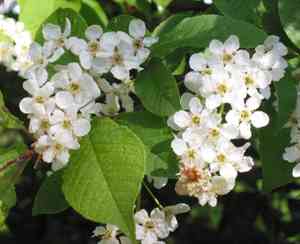
The bird cherry, a deciduous tree recognized for its groupings of white blossoms and tart drupes, significantly thrives with proper trimming. Essential methods involve reducing dense branches and eliminating deceased, ailing, or compromised timber to foster robust development and air movement. The most suitable period for pruning is late winter, right before the onset of spring growth. Trimming at this time lessens sap leakage and facilitates quick recovery. Notable advantages encompass amplified blooming, refined structure, and a diminished likelihood of illness.
Advantages of Trimming Bird Cherry
Advantages of Trimming Bird Cherry
Trimming bird cherry promotes a more abundant yield, stimulates robust development, and helps maintain its structural integrity. Consistent trimming is crucial for managing bird cherry's size and shape, thereby enhancing its visual appeal while also mitigating potential disease and pest problems.
Optimal Period for Pruning Bird Cherry
Optimal Period for Pruning Bird Cherry
Pruning bird cherry in late winter aids in preventing disease transmission that can occur in warmer, wetter conditions. It avoids removing potential flowering or fruiting wood that would be lost with later pruning. Sap flow is less vigorous during this time, reducing the risk of excessive bleeding from cuts. Pruning before spring also allows wounds to heal before new growth begins, helping bird cherry to focus its energy on generating fresh, healthy shoots.
Necessary Tools for Pruning Bird Cherry
Hand Pruners
Perfect for cutting small branches and twigs of bird cherry with diameters up to 3/4 inches, ensuring accuracy and minimal plant harm.
Loppers
Suitable for trimming thicker branches, typically up to 1 1/2 inches in diameter, commonly found on mature bird cherry trees.
Pruning Saws
Essential for larger branches exceeding 1 1/2 inches in diameter, enabling clean cuts on bird cherry without tearing the bark.
Pole Pruners
Useful for reaching higher branches of bird cherry without a ladder, promoting safety during pruning.
Hedge Shears
Appropriate for shaping and maintaining the dense foliage of bird cherry when utilized as a hedge.
Gardening Gloves
Important for safeguarding the gardener's hands from thorns and rough bark while pruning bird cherry.
Pruning Sealer
Helps protect larger cuts on bird cherry from disease and insect infestation post-pruning.
How to Prune Bird Cherry
Cleaning Tools
Before pruning bird cherry, sanitize your pruning tools to prevent disease spread. Use a solution of one part bleach to nine parts water, or use alcohol wipes to clean the blades.
Removing Dead Branches
Identify and eliminate any dead branches from bird cherry. Dead branches are typically dry, brittle, and may have a different color than healthy wood. Make clean cuts close to the trunk or parent branch without damaging the branch collar.
Eliminating Diseased Branches
Locate and trim away any diseased branches from bird cherry. Signs of disease may include discoloration, cankers, or unusual growths. Ensure to cut well below any diseased wood, and dispose of these branches properly to prevent further infection.
Clean Cut Technique
Employ the three-cut technique for removing larger branches to prevent bark tearing. The first cut is made on the underside of the branch about 15-30cm away from the trunk. The second cut is made from the top down, a few centimeters further out from the first cut, until the branch falls away. The final cut should be made just outside the branch collar to remove the stub.
Disinfect Tools Post Pruning
After pruning bird cherry, clean and disinfect your tools again. This step is crucial to prevent the potential transfer of disease to other plants during subsequent uses of the tools.
Common Pruning Errors with Bird Cherry
Over-Pruning
Removing too much foliage at once which can stress bird cherry and lead to poor growth or reduced flowering.
Improper Cut Location
Cutting too far from or too close to a bud can result in unhealthy growth or disease entry.
Using Dull Tools
Using dull pruning tools can cause jagged cuts that are more susceptible to pests and diseases.
Tearing Limbs
Attempting to break off limbs instead of cutting can damage the bark and underlying tissues.
Neglecting Sanitation
Failing to sterilize tools between cuts can spread disease from infected parts of bird cherry to healthy ones.
Pruning Without Plan
Randomly cutting branches without understanding bird cherry's growth pattern can lead to a poor structure and affect flowering.
General Pruning Advice for Bird Cherry
Sharp Tools
Using sharp, clean pruning shears to make precise cuts that heal quickly, promoting healthy regrowth in bird cherry.
Angle Cuts
Making cuts at a 45-degree angle just above outward-facing buds to direct new growth and maintain attractive shape for bird cherry.
Thin Interior
Thinning out the center of bird cherry to allow light and air to penetrate, which can help reduce the likelihood of disease and improve flowering.
Selective Pruning
Carefully selecting which branches to prune, considering the overall form and health of bird cherry, to avoid over-thinning.
Healing Time
Allowing sufficient time for bird cherry to heal before harsh weather conditions to prevent damage to the plant.
Monitor Growth
Regularly monitoring the growth and response to pruning, adjusting techniques to suit the specific needs of bird cherry.



