How to Prune Japanese apricot?
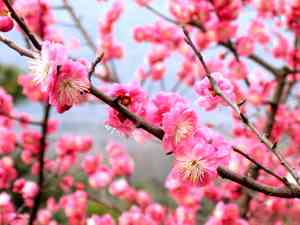
This decorative fruit-producing tree is highly valued for its aromatic pink flowers and sour fruits. For japanese apricot, trimming ought to concentrate on eliminating deceased or ailing branches and reducing the density of the crown to facilitate light access and air movement. The most effective time for pruning is in late winter, prior to the spring bloom, to preserve its form and foster robust development. Meticulous pruning additionally encourages fruit yield and elevates the plant's general visual attractiveness. It is crucial to sanitize cutting implements to avert the spread of pathogens throughout this procedure.
What Are the Benefits of Pruning Japanese Apricot?
What Are the Benefits of Pruning Japanese Apricot?
Trimming japanese apricot promotes a more plentiful yield by enhancing flowering and fruit production, stimulates robust development, and maintains the desired plant form for aesthetic appeal and garden space management.
What Is the Best Time for Pruning Japanese Apricot?
What Is the Best Time for Pruning Japanese Apricot?
Pruning japanese apricot in late winter is ideal as it occurs just before spring growth commences, allowing gardeners to shape the plant and remove any dead or diseased wood without affecting new growth. This timing also aids in directing the plant's energy towards the development of strong new branches, which will support the next season's blooms. Furthermore, since japanese apricot flowers on the previous or current year's wood, late winter pruning ensures that the upcoming spring blossoms are not inadvertently removed, which could happen with pruning later in the season. Pruning before the start of spring growth also manages potential disease exposure, as cuts have time to heal before the wetter spring conditions that can foster disease.
What Tools Do I Need to Prune Japanese Apricot?
Hand Pruners or Secateurs
These are crucial for making precise cuts on smaller branches of japanese apricot. They enable clean cuts without harming surrounding plant tissue, which is vital for the health of japanese apricot.
Loppers
These are necessary for cutting thicker branches that hand pruners cannot manage. Loppers provide the leverage needed for branches up to 1.5-2 inches in diameter, typical for mature japanese apricot.
Pruning Saw
A pruning saw is important for removing even thicker branches that loppers cannot cut. Its serrated blade is suitable for cutting through dense wood of japanese apricot without causing split or ragged cuts.
Hedge Shears
These are useful for shaping and trimming hedges if japanese apricot is grown in a hedge form. They allow for even, straight cuts across the foliage.
Pole Pruner
For higher branches on japanese apricot that are out of reach, a pole pruner extends the gardener's reach without needing a ladder, ensuring safety during pruning.
How to Prune Japanese Apricot
Clean Tools
Before pruning japanese apricot, sanitize your pruning tools to prevent disease spread. Wash them with soapy water and disinfect with rubbing alcohol or a bleach solution.
Dead Wood Removal
Look for dead branches on japanese apricot, which are typically dry, brittle, and lack any green tissue when lightly scratched. Carefully remove these branches at their junction with a larger limb or the trunk, cutting just above a collar or swollen area to promote proper healing.
Diseased Limbs Removal
Identify diseased branches by signs of discoloration, abnormal growths, or pest presence. Cut the diseased branches well below the affected area to ensure all diseased tissue is removed. If the entire branch is diseased, remove it at the base just as you would with dead wood.
Cutting Technique
Use the correct cutting technique to avoid tearing the bark of japanese apricot. Make a shallow cut on the underside of the branch first, then cut from the top down to meet the initial cut. This two-cut method prevents the falling branch from ripping the bark on the trunk.
Wound Care
After removing dead and diseased branches, ensure clean cuts without jagged edges on japanese apricot. Do not apply wound dressing or paint, as japanese apricot heals best when left to seal naturally.
Common Pruning Mistakes with Japanese Apricot
Over Pruning
Removing too much at once can stress japanese apricot, leading to reduced flowering and vigor. No more than one-third of the plant should be removed in a single pruning session.
Improper Cut Locations
Making cuts too far from a bud or node, or too close to it, can result in stem dieback or poor growth. Cuts should be made just above outward-facing buds or branches to encourage a desirable shape.
Neglecting Tool Sanitation
Using dirty pruning tools can spread diseases between plants. Tools should be sanitized before and after use to prevent the transmission of pathogens to japanese apricot.
Irregular Pruning
Inconsistent pruning can lead to a lopsided or ragged appearance. Regular maintenance pruning helps to maintain the desired shape and health of japanese apricot.
Omitting Thinning
Failing to thin out the center of japanese apricot can result in poor air circulation and light penetration, which are essential for preventing diseases and pests, as well as stimulating flowering.
Common Pruning Tips for Japanese Apricot
Sharp Tools
Always use sharp pruning shears, loppers, or saws for clean cuts that heal quickly, reducing the chance of infection and stress to japanese apricot.
Angled Cuts
Make cuts at a 45-degree angle, slanting away from the bud to allow water to run off and reduce the risk of disease.
Structural Pruning
Focus on removing dead, diseased, or crossing branches to improve the structure and health of japanese apricot. This promotes better airflow and light penetration, encouraging healthy growth.
Rejuvenation Pruning
For older, less vigorous plants, consider rejuvenation pruning by cutting some of the oldest branches down to the ground to encourage the growth of new, fruitful shoots.
Water Sprouts Suckers Removal
Regularly remove water sprouts (vigorous shoots typically growing from the base of the plant or the trunk) and suckers to redirect energy to more desirable growth areas on japanese apricot.



