How to Prune Mahaleb cherry?
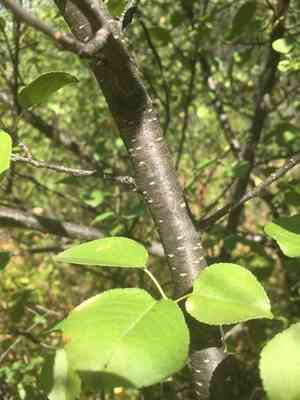
As a prized decorative and grafting stock, the mahaleb cherry necessitates precise trimming to sculpt its form and foster productive development. Essential methods involve thinning cuts to eliminate deceased or overly dense branches, and heading cuts to stimulate a more compact, bushy habit. The ideal period for this is from late winter to early spring, while the plant is dormant and before sap begins to circulate, which helps avert sap leakage and pathogen infiltration. Consistent pruning sustains the plant's well-being, enhances fruit yield, and guards against fungal ailments specific to the mahaleb cherry.
What Are the Benefits of Pruning Mahaleb Cherry?
What Are the Benefits of Pruning Mahaleb Cherry?
Trimming mahaleb cherry is crucial for encouraging robust development and preserving its intended form. Regular cutting promotes the growth of new, stronger branches, leading to a more resilient tree structure.
What Is the Best Time for Pruning Mahaleb Cherry?
What Is the Best Time for Pruning Mahaleb Cherry?
Pruning mahaleb cherry in late winter or early spring is optimal, right before new growth begins. This timing allows mahaleb cherry to recover from cuts without significant sap loss, reducing plant stress. Furthermore, at this stage, the absence of leaves offers better visibility of the plant's structure, enabling more strategic pruning. Additionally, pruning before the growth cycle starts can help shape mahaleb cherry, stimulate strong new growth, and enhance air circulation. This timing also prevents cutting off buds that would become flowers or fruit in the upcoming season, thus not negatively impacting the plant's blooming or fruiting potential.
What Tools Do I Need to Prune Mahaleb Cherry?
Hand Pruners
Perfect for making precise cuts on young or slender branches of mahaleb cherry, ensuring accuracy without harming the remaining branch structure. Recommended for branches up to 3/4 inch in diameter.
Loppers
Ideal for cutting thicker branches, typically between 3/4 inch and 1 1/2 inches in diameter, offering increased leverage and reach for mahaleb cherry's more substantial limbs.
Pruning Saw
Essential for removing larger branches exceeding 1 1/2 inches in diameter. A pruning saw helps prevent tearing of mahaleb cherry's bark and ensures smoother cuts on mature wood.
Pole Pruner
Useful for reaching higher branches of mahaleb cherry without needing a ladder. It combines a saw and a lopper on an extendable pole, providing both reach and cutting versatility.
Hedge Shears
Suitable for shaping and trimming hedges formed by mahaleb cherry when grown as a hedge plant. It helps maintain a neat, uniform appearance.
Pruning Knife
Helpful for cleaning up any remaining plant material or rough edges after cuts, ensuring mahaleb cherry's wounds heal cleanly to minimize disease and pest infestation risks.
Sharpening Stone
Keeping tools sharp ensures clean cuts that promote quick healing for mahaleb cherry. A sharpening stone is crucial for tool maintenance.
Gloves and Safety Gear
Protective gloves and eye protection are advised to ensure safety while pruning mahaleb cherry, as it may involve sharp tools and falling branches.
How to Prune Mahaleb Cherry
Step1: Assessment of Plant Health and Pruning Needs
Evaluate mahaleb cherry for overall health and identify dead wood, diseased wood, broken branches, suckers, and parts of the crown that need thinning. This initial step helps determine the extent of pruning required.
Step2: Sterilization of Pruning Tools
Sterilize your pruning tools using a solution of 1 part bleach to 9 parts water to prevent the spread of disease. Clean tools after each cut when removing diseased wood.
Step3: Removal of Dead Wood
Begin by removing any dead wood, cutting back to live tissue. Make cuts at a 45-degree angle, about 1/4 inch above a bud that faces the outside of the plant to encourage outward growth.
Step4: Cutting Diseased Wood
Identify and remove diseased wood, cutting back to healthy tissue. If the disease is widespread, it may be necessary to cut the entire branch. Dispose of diseased material properly to prevent reinfection.
Step5: Pruning Broken Branches
Prune broken branches to the next lateral branch or to the main trunk if necessary, making clean cuts that allow mahaleb cherry to heal naturally without leaving stubs.
Step6: Elimination of Suckers
Eliminate suckers growing from the base or roots of mahaleb cherry. Suckers divert energy from the main plant and can lead to poorly structured growth. Cut them flush with the main stem or below the soil surface.
Step7: Thinning the Crown
Thin the crown to improve air circulation and light penetration. Remove interior branches that cross or rub against others, and thin out branches to avoid overcrowding. Make selective cuts to maintain mahaleb cherry's natural shape.
Step8: Cleanup of Pruning Debris
After completing the pruning, clean up all debris and fallen leaves to minimize the potential for disease.
Step9: Post-Pruning Care and Maintenance
Provide mahaleb cherry with adequate water and mulch after pruning to support recovery and new growth, keeping a clear space around the trunk to prevent rot.
Post-Pruning Care for Mahaleb Cherry
Post-Pruning Care for Mahaleb Cherry
Immediately after pruning mahaleb cherry, ensure the cuts are clean to facilitate healing. Position mahaleb cherry to receive ample light but avoid direct, intense sunlight that can stress the freshly pruned areas. Maintain moderate humidity and a steady temperature to support recovery. Apply a balanced fertilizer to replenish nutrients; extra phosphorus can aid root development. Regularly inspect the pruned sections for signs of distress, such as discoloration or sap oozing. At any indication of infection, treat promptly with an appropriate fungicide or antibacterial agent.
Common Pruning Mistakes with Mahaleb Cherry
Over-pruning Can Stress and Weaken Plants
Excessive pruning, which involves removing too much of mahaleb cherry's canopy at once, can stress the plant, leaving it vulnerable to disease and growth problems.
Dull or Dirty Tools Harm Plant Branches
Using dull or unclean pruning tools, which can create jagged cuts that harm mahaleb cherry's branches and introduce disease.
Ignoring Plant's Natural Shape in Pruning
Pruning without assessing the plant's natural shape and growth pattern, which can result in a loss of mahaleb cherry's aesthetic and structural integrity.
Excessive Old Branch Removal Hinders Flowering
Removing too many old branches, thinking it will rejuvenate mahaleb cherry, while it is actually the younger growth that often produces the best flowers.
Failing to Prune Dead or Diseased Branches
Neglecting to prune out dead, diseased, or crossing branches which can compromise mahaleb cherry's overall health and appearance.
Common Pruning Tips for Mahaleb Cherry
Angled Cuts Above Buds for Vase-Like Structure
Make clean, angled cuts just above an outward-facing bud to encourage mahaleb cherry to develop a wide, vase-like structure.
Thin Crowded Areas for Better Light and Air
Focus on thinning out crowded areas to improve air circulation and sunlight penetration, which are both crucial for mahaleb cherry's health and flowering.
Sanitize Tools to Prevent Plant Disease Spread
Regularly sanitize pruning tools with a solution of bleach or alcohol to prevent the spread of disease among mahaleb cherry plants.
Avoid Removing More Than One-Third of Growth
Aim to remove no more than one-third of mahaleb cherry's total growth to maintain plant vigor and ensure a sustainable structure for subsequent years.
Prune to Maintain Natural Shape and Balance
Maintain the natural shape of mahaleb cherry by selectively pruning back leaders and branches that disrupt the desired form or are out of proportion with the rest of the plant.



