How to Prune Portuguese cherry laurel?
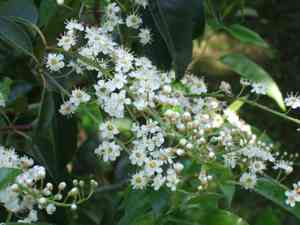
Distinguished by its lustrous evergreen leaves and tiny white blossoms, portuguese cherry laurel is a robust decorative bush. To ensure peak health and structure, trim portuguese cherry laurel during the winter season. Essential methods involve reducing crowded branches and eliminating any lifeless or ailing wood. Shaping should be kept to a minimum to preserve its inherent appearance. Trimming not only stimulates robust new development but also improves air movement, thereby lowering the chance of illness. Employ sanitized, keen implements for accurate incisions to bolster portuguese cherry laurel's general vigor.
What Are the Benefits of Pruning Portuguese Cherry Laurel?
What Are the Benefits of Pruning Portuguese Cherry Laurel?
Trimming portuguese cherry laurel encourages robust development and helps keep its desired form, ensuring a thick and healthy leaf structure, perfect for decorative or screening purposes.
What Is the Best Time for Pruning Portuguese Cherry Laurel?
What Is the Best Time for Pruning Portuguese Cherry Laurel?
From late winter to early spring, portuguese cherry laurel is dormant, which is ideal for trimming. This timing avoids stressing the plant, as it doesn't interfere with its active growth phase in spring and summer when it directs energy to new leaves and blooms. Pruning then also allows gardeners to easily shape the plant without foliage obscuring its structure. Furthermore, pruning before warmer weather helps prevent disease spread, which is more common in damp conditions typical of late spring and summer. By pruning in the optimal seasons, the plant's energy is saved for vigorous growth in the upcoming season, ensuring overall health and a strong display of foliage, and if applicable, flowers or fruit.
What Tools Do I Need to Prune Portuguese Cherry Laurel?
Hand Pruners
Perfect for precisely cutting thin stems and branches of portuguese cherry laurel, aiding in shaping and maintaining its form.
Lopping Shears
Best for cutting thicker branches that hand pruners can't handle, ensuring clean cuts without harming portuguese cherry laurel's structure.
Pruning Saw
Essential for removing mature branches of portuguese cherry laurel, as well as overgrown areas needing more significant cuts for healthy growth.
Hedge Clippers
Useful for shaping portuguese cherry laurel's dense foliage to maintain a tidy hedge appearance, allowing for quick and even trimming of the outer growth.
Gloves
Protects hands from scratches and sap while trimming portuguese cherry laurel, ensuring safety and comfort during the task.
Long-handled Pruning Shears
Provides extended reach for taller specimens of portuguese cherry laurel, simplifying pruning without a ladder.
How to Prune Portuguese Cherry Laurel
Clean Tools
Before beginning, ensure all trimming tools are clean and sharp to prevent disease spread and make clean cuts on portuguese cherry laurel.
Safety
Wear appropriate safety gear like gloves and eyewear to protect yourself from sharp branches and debris while trimming portuguese cherry laurel.
Remove Dead Branches
Carefully remove any dead branches by cutting them at their base where they meet healthy wood, using secateurs for smaller branches and a saw for larger ones on portuguese cherry laurel.
Eliminate Diseased Branches
Identify and cut out diseased branches, ensuring the entire affected area is removed to prevent disease spread in portuguese cherry laurel. Dispose of these materials away from healthy plants.
Clean Up
After trimming portuguese cherry laurel, clear the area of all debris and fallen leaves to deter pests and diseases from lingering in the plant waste.
Common Pruning Mistakes with Portuguese Cherry Laurel
Overpruning
Removing too much foliage from portuguese cherry laurel can stress the plant, reduce flowering, and potentially cause dieback. A good rule is to never prune more than one-third of the plant at a time.
Improper Cutting Technique
Incorrect cutting methods can damage portuguese cherry laurel's branches and make it susceptible to pests and diseases. Cuts should be made just above a leaf node or bud, angled away to promote healing and new growth.
Disregarding Plant Shape
Failing to consider the natural form of portuguese cherry laurel while pruning can result in an unnatural look and poor growth. Aim to maintain an aesthetically pleasing shape that allows light and air to reach all parts of the plant.
Using Dull Tools
Trimming with dull or dirty tools can crush portuguese cherry laurel's branches and introduce diseases. Always use sharp, clean pruning shears.
Ignoring Diseased Material
Not removing or improperly disposing of diseased or dead material can lead to further infection in portuguese cherry laurel. Always cut out any unhealthy parts first and dispose of them away from healthy plants.
Pruning At Wrong Intervals
Trimming portuguese cherry laurel at random times without understanding its growth cycle can hinder flowering and new growth. Consistency and timing relative to plant development are crucial.
Common Pruning Tips for Portuguese Cherry Laurel
Right Cut Position
Make pruning cuts selectively on portuguese cherry laurel, above leaf nodes where new growth is desired. Ensuring cuts are at a 45-degree angle can help prevent water accumulation and disease.
Maintain Plant Health
Focus on removing dead, damaged, and diseased branches from portuguese cherry laurel to maintain overall plant health and aesthetics. Doing so promotes good air circulation and reduces pest problems.
Encourage Shape And Growth
To encourage a dense, bushy shape and good growth in portuguese cherry laurel, prune strategically, thinning out overgrown areas and prompting the plant to grow more vigorously in desired directions.
Enhance Flowering
Gently shape portuguese cherry laurel without heavy-handed cuts to avoid reducing flowering potential. Light pruning helps stimulate the growth of new flowering shoots.
Clean Tools
To prevent the spread of disease among your plants, always clean and sterilize pruning tools before and after use on portuguese cherry laurel.
Mulch And Fertilize Post Pruning
After pruning portuguese cherry laurel, provide it with mulch and fertilizer to help the plant recover and flourish, complementing the pruning process with necessary nutrients and moisture retention.



