How to Prune David's peach?
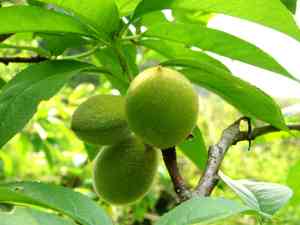
David's peach, recognized for its robust character and decorative value, necessitates deliberate trimming to preserve its vitality and structure. This horticultural practice should occur in the latter part of winter or the initial phase of spring, while the plant is inactive, to encourage robust development. Essential methods involve excising deceased or ailing limbs, reducing dense sections to enhance air movement, and sculpting for visual appeal. Appropriate pruning additionally boosts fruit yield and extends the longevity of david's peach.
What Are the Benefits of Pruning David's Peach?
What Are the Benefits of Pruning David's Peach?
Trimming david's peach encourages robust development and maintains an appealing form. It fosters healthy branching, enhances air circulation, and lowers disease risks, all vital for maximizing fruit yield and preserving plant vitality.
What Is the Best Time for Pruning David's Peach?
What Is the Best Time for Pruning David's Peach?
Pruning david's peach in late winter or early spring is optimal because this timing allows gardeners to shape the plant and manage its size before new growth begins. In late winter, the plant is still dormant, which reduces stress and prevents sap from bleeding, which can attract pests or lead to disease. Early spring pruning, just before or as new growth starts, helps invigorate david's peach's development, ensuring energy is directed towards producing strong new growth and, subsequently, abundant fruit. Pruning at this time also allows for the removal of any damaged or diseased branches, which can otherwise negatively impact david's peach's health and productivity. Additionally, since david's peach blooms on the previous year's wood, late winter or early spring pruning ensures that flowering is not significantly affected, leading to better fruit yield.
What Tools Do I Need to Prune David's Peach?
Bypass Pruners
Perfect for making precise cuts on younger, softer branches of david's peach, minimizing harm to plant tissues.
Lopping Shears
These are essential for thicker branches (up to 1.5 inches in diameter), typical of david's peach's growth, allowing for accuracy while reducing strain on the gardener.
Pruning Saw
For mature, thick branches exceeding 1.5 inches in diameter, a pruning saw helps manage older growth effectively without harming the plant's overall health.
Hedge Shears
Useful for shaping and controlling the size of david's peach, helping to maintain its appearance and encourage a healthy branching pattern.
Pole Pruner
This tool is necessary for reaching higher branches that typical hand tools cannot access, ensuring uniform pruning throughout david's peach.
How to Prune David's Peach
Identify trim parts
Thoroughly inspect david's peach, focusing on locating dead or diseased branches. This includes looking for branches that show signs of discoloration, unusual spotting, dry or peeling bark, or a lack of leaves and blooms during the growing season.
Prepare tools
Ensure pruning tools like secateurs, loppers, and a pruning saw are clean and sharp. Disinfect tools with isopropyl alcohol or a 10% bleach solution before and after use to prevent the spread of disease.
Cut back diseased branches
Start by carefully removing diseased branches from david's peach. Cut each branch back to a healthy section, ensuring cuts are made at a 45-degree angle to prevent water accumulation that could lead to further disease.
Remove dead branches
Trim dead branches on david's peach next. These branches should be cut back to their point of origin or to the main trunk, ensuring that cuts are smooth and close to the trunk without damaging the collar (the slightly swollen area at the base of the branch).
Clean up
After pruning, clean up all removed material from around david's peach to prevent any diseases from spreading. Properly dispose of or compost the cut-off material, unless it is diseased, in which case it should be destroyed.
Common Pruning Mistakes with David's Peach
Over-pruning
Removing too much foliage from david's peach at once can stress the plant, leading to reduced growth and fewer blooms.
Improper cut placement
Cutting too far from or too close to the bud can hinder proper healing and growth. Cuts should be made just above outward-facing buds to promote desirable outward growth.
Using dull tools
Dull pruning tools can cause damage to the branches of david's peach, resulting in jagged cuts that are more susceptible to disease and pest infestation.
Neglecting diseased branches
Failing to remove or improperly removing diseased or damaged branches can allow diseases to spread, affecting the overall health of david's peach.
Common Pruning Tips for David's Peach
Sanitization
Always use clean, sharp tools to make cuts. This prevents the spread of disease and ensures clean cuts that heal quickly.
Selective thinning
Focus on thinning out crowded branches to increase air circulation and light penetration, which are crucial for the health and flowering of david's peach.
Shaping
Shape david's peach by pruning back to outward-facing buds. This encourages a more open structure and enhances both the aesthetic form and the health of the plant.
Rejuvenation
Periodically remove older branches to rejuvenate david's peach, encouraging more vigorous growth and bloom production from new shoots.



