How to Prune Cherry plum?
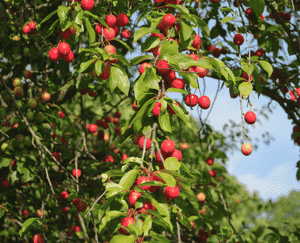
A deciduous tree recognized for its early spring flowers and palatable produce, cherry plum thrives with yearly trimming to preserve its vitality and appearance. The ideal period for pruning is during its dormant phase in winter, right before the onset of spring development. Essential methods involve reducing dense branches, eliminating deceased or compromised wood, and sculpting the tree to facilitate sunlight exposure and air movement. Consistent pruning boosts fruit yield and deters ailments.
What Are the Benefits of Pruning Cherry Plum?
What Are the Benefits of Pruning Cherry Plum?
Trimming cherry plum encourages more abundant yields, promotes vigorous development, and maintains its desired form. This improves the health and look of cherry plum, fostering strong growth, increased light and air circulation, and resistance to illness.
What Is the Best Time for Pruning Cherry Plum?
What Is the Best Time for Pruning Cherry Plum?
Pruning cherry plum during winter aligns with its dormant phase. This timing prevents stress on the plant, allowing for robust regrowth in spring. Winter pruning minimizes the risk of disease infection due to lower pathogen prevalence in cold weather. Additionally, leafless branches make the plant's structure more visible, enabling more precise cuts. Pruning before spring supports the natural growth cycle of cherry plum and encourages flowering and fruit production in the subsequent season.
What Tools Do I Need to Prune Cherry Plum?
Hand Pruners (Secateurs)
Perfect for making precise cuts on small branches and twigs of cherry plum, without causing unnecessary harm to the plant tissue.
Loppers
Best suited for reaching higher or deeper branches of cherry plum that are slightly thicker, up to 2 inches in diameter, providing leverage and accuracy.
Pruning Saw
Essential for removing larger limbs that hand pruners and loppers cannot manage, ensuring a smooth cut on branches over 2 inches in diameter.
Pole Pruner
Used for trimming elevated branches of cherry plum without needing a ladder, offering extended reach and safety.
Hedge Shears
Useful for shaping the outer foliage of cherry plum, especially for creating hedges or maintaining a formal appearance.
Pruning Gloves
To safeguard hands from thorns and rough bark while pruning cherry plum, ensuring the gardener's safety and comfort.
How to Prune Cherry Plum
Step1: Selecting Correct Pruning Tools
Choose the appropriate tools for pruning cherry plum. Use sharp, clean bypass pruners for small branches and loppers or a pruning saw for larger limbs to make clean cuts and avoid tearing the bark.
Step2: Identifying Damaged Branches
Identify compromised wood by looking for branches that are broken, dead, or diseased. These can be recognized by their dark, brittle, or decayed appearance, and lack of healthy buds.
Step3: Pruning Above Healthy Buds
Trim the damaged wood just above a healthy bud, lateral branch, or at the base of the cherry plum. Angle the cut away from the bud to prevent water from collecting on the cut surface, which could cause rot.
Step4: Locating and Removing Suckers
Locate suckers, which are vigorous vertical shoots growing from the roots or lower trunk of cherry plum. Suckers can sap energy from the main part of the tree and create a cluttered form.
Step5: Eliminating Suckers at the Base
Remove the suckers by cutting them down to the base where they emerge from the roots or trunk. Make the cuts flush with the trunk or root surface to discourage regrowth.
Step6: Identifying and Cutting Water Sprouts
Find water sprouts, which are also vigorous shoots, but these grow from the branches, often at pruning sites or in response to stress. They are usually straight and grow upward, cluttering the tree's canopy.
Step7: Maintaining Tree Structure
Cut water sprouts off where they join the branch, being careful not to damage the collar of the branch. This will help maintain the natural structure of cherry plum and redirect energy to the most desirable growth.
Step8: Assessing Tree Structure Post-Pruning
Assess the overall structure of cherry plum after removing the damaged wood, suckers, and water sprouts. Look for a balanced shape and good air circulation among the branches.
Step9: Shaping and Thinning Branches
Conduct additional shaping if necessary by selectively pruning overgrown branches or thinning out dense areas. Always cut just above an outward-facing bud or branch to promote outward growth and better air circulation.
Step10: Tool Disinfection After Pruning
Clean all tools after pruning cherry plum to prevent the spread of diseases. Disinfect pruners and saws with a solution of 1 part bleach to 9 parts water or rubbing alcohol.
Step11: Pruning Debris Disposal
Collect and dispose of all pruning debris, including damaged wood, suckers, and water sprouts, to reduce the likelihood of disease or pest infestation in cherry plum.
Step12: Monitoring Tree Health Post-Pruning
Monitor cherry plum after pruning for signs of new growth or any issues. Proper care, including watering and fertilizing, will support healthy recovery and growth after pruning.
Post-Pruning Care for Cherry Plum
Post-Pruning Care for Cherry Plum
Immediately after pruning cherry plum, ensure clean cuts to avoid disease entry. Maintain moderate moisture in the soil; avoid waterlogging. Position cherry plum in an area with adequate sunlight and shelter from extreme temperatures. Post-pruning, apply a balanced fertilizer to encourage recovery and growth. Regularly inspect the pruned areas for signs of stress, such as wilting or discoloration, and disease symptoms like oozing or unusual growths. Promptly treat any issues with recommended horticultural practices to prevent further damage.
Common Pruning Mistakes with Cherry Plum
Over-Pruning Reduces Blooming and Fruit
Excessive pruning, which can stress cherry plum and reduce its ability to produce fruit and flowers.
Unclean Tools Spread Diseases
Pruning without sterilizing tools, potentially spreading disease to cherry plum.
Tearing Cuts Open Plants to Pests
Tearing or making jagged cuts on cherry plum, which don't heal well and can invite pests and diseases.
Pruning Too Close Damages Growth
Trimming too close to the main trunk or buds, which can damage the plant's natural growth structure.
Failing to Remove Dead Branches
Neglecting to remove all dead, diseased, or crossing branches, leading to a cluttered and unhealthy growth habit.
Common Pruning Tips for Cherry Plum
Clean Cuts Above Outside Buds
Make clean, angled cuts just above a bud facing the outside of cherry plum, promoting outward growth.
Sterilize Tools to Prevent Disease
Sterilize all pruning tools before use to prevent the spread of disease among your plants.
Prune Sparingly to Avoid Stress
Remove only about a quarter to a third of the overall growth to avoid over-pruning cherry plum.
Shape for Light Penetration and Health
Focus on creating an open vase shape for cherry plum, which allows light to penetrate the canopy and encourages healthy fruiting.
Inspect and Prune for Plant Vigor
Regularly inspect cherry plum for dead, damaged, or diseased wood, and prune these out to maintain plant health and vigor.



