How to Prune Sweet cherry?
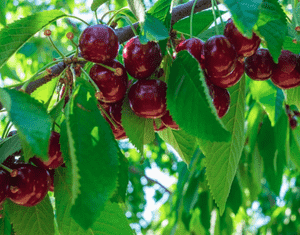
Known for its delectable produce, the sweet cherry necessitates meticulous training to foster vigor and yield. Essential trimming methods involve reducing congested limbs and excising lifeless or ailing wood. The ideal period for pruning is in late winter, immediately preceding the onset of spring development. Targeted pruning aids in mitigating ailments and guarantees adequate light penetration throughout the crown, which is crucial for fruit excellence. Consistent pruning additionally sustains a robust framework, averting branch fracture due to the fruit's mass.
What Are the Benefits of Pruning Sweet Cherry?
What Are the Benefits of Pruning Sweet Cherry?
Trimming sweet cherry promotes a more plentiful yield by fostering healthier, more robust development. It also assists in maintaining a manageable form, ensuring optimal air movement and sun exposure, which are vital for fruit quality and disease prevention.
What Is the Best Time for Pruning Sweet Cherry?
What Is the Best Time for Pruning Sweet Cherry?
Pruning sweet cherry in late winter is advantageous as it prevents exposing fresh cuts to severe cold temperatures that could harm the wood. During this period, the tree is dormant, which reduces the likelihood of sap leakage and disease transmission. Furthermore, without leaves, the structure of sweet cherry is more apparent, allowing for more accurate cuts. This season precedes the spring growth surge, ensuring that pruning wounds heal rapidly and the tree's energy is directed towards developing strong new growth. By selecting late winter, gardeners also avoid disrupting the flowering and fruiting cycle, as sweet cherry blossoms and bears fruit on the previous year's wood.
What Tools Do I Need to Prune Sweet Cherry?
Hand Pruners
Sweet cherry has smaller branches that occasionally require trimming to maintain shape and encourage healthy development. Hand pruners are perfect for making clean cuts on branches up to 3/4 inch thick, which is typical for sweet cherry's new or smaller growth.
Lopping Shears
For larger branches, typically between 3/4 inch and 2 inches in diameter, lopping shears are more suitable. They provide the necessary leverage to prune sweet cherry without harming the plant or the gardener.
Pruning Saws
Occasionally sweet cherry might have branches exceeding 2 inches in diameter that need removal. A pruning saw is best for this task, as it can efficiently cut through larger limbs without tearing or damaging the surrounding areas.
Pole Pruners
Due to sweet cherry's potential height, pole pruners may be necessary to reach higher branches without using a ladder. This tool helps in safely pruning branches from the ground.
Hedge Shears
For shaping sweet cherry into a formal style or to manage a hedge of sweet cherry, hedge shears are useful. They can cut multiple small twigs and foliage at once to create a neat, even line.
Cleaning Supplies
After each use, and especially when moving between different plants, it is crucial to clean and sanitize pruning tools to prevent the spread of disease. Use a solution of bleach or alcohol for this purpose.
How to Prune Sweet Cherry
Step1: Inspect Plant Structure
Examine sweet cherry thoroughly before pruning, identifying old wood, diseased stems, and suckers. Conduct this inspection annually, in late winter or early spring when the tree is dormant and leafless for the best view of its structure.
Step2: Remove Diseased Stems
Begin by removing all diseased stems. Use sterilized, sharp pruning shears to make clean cuts. For smaller stems, cut at least 6 inches into healthy wood beyond the affected area. For larger limbs, cut back to a healthy branch or to the trunk, ensuring a proper pruning cut that promotes healing.
Step3: Prune Suckers
Trim suckers, which are vigorous vertical shoots growing from the rootstock or base of the tree. Remove these completely at their base to ensure they do not divert energy from sweet cherry.
Step4: Cut Back Old Wood
Address old wood by targeting branches that no longer produce fruit or show reduced vigor. Remove them by cutting back to a lateral branch or bud that points outward from the canopy. This encourages airflow and sunlight penetration.
Step5: Angle Cuts for Outward Growth
Make all cuts at a 45-degree angle, about 1/4 inch above outward-facing buds or branches when shortening branches or stems, ensuring water runs off the cut and preventing disease.
Step6: Thin the Canopy
Thin out the canopy of sweet cherry to improve light penetration and reduce disease pressure. Cut back or remove entire branches, focusing on those that are crossing, rubbing, or growing inward towards the center of the tree.
Step7: Three-Cut Method for Large Branches
For larger branches, use the three-cut method to prevent bark tearing: First, make a notch on the underside of the branch about a foot away from the trunk. Next, make a second cut on top, an inch or so further out from the notch, cutting through the branch until it falls. Lastly, clean up the stub, cutting just outside the branch collar.
Step8: Sterilize Tools Post-Pruning
After pruning, clean your tools with a solution of 1 part bleach to 9 parts water to prevent the spread of disease to other plants or future pruning cuts on sweet cherry.
Step9: Mulch for Protection
Add a layer of mulch around the base of sweet cherry to conserve moisture and protect from temperature extremes, keeping the mulch a few inches away from the trunk to prevent rot.
Step10: Monitor Plant Health
Monitor sweet cherry post-pruning for signs of new growth or potential disease throughout the growing season. Adjust pruning strategy in subsequent years based on the response of sweet cherry to this year's pruning.
Post-Pruning Care for Sweet Cherry
Post-Pruning Care for Sweet Cherry
Immediately after pruning sweet cherry, ensure the cuts are clean to promote healing. Manage light exposure to avoid scald, maintaining a balance that favors gentle sunlight. Keep sweet cherry in a stable environment; avoid extreme temperature changes and regulate humidity. Initiate a fertilization regime with balanced nutrients to aid recovery. Monitor for wilt, discoloration, or oozing sap as signs of stress or infection. If detected, treat promptly with recommended fungicides or pest control methods. Consistent checks will support sweet cherry's healthy regrowth.
Common Pruning Mistakes with Sweet Cherry
Avoid over-pruning to prevent stress and vulnerability
Excessive pruning can lead to reduced fruit production and a weakened structure for sweet cherry. Removing more than a quarter of the tree's branches can stress the tree and make it susceptible to disease and pests.
Cut properly to avoid damage to the trunk and collar
Pruning too close to the trunk can damage the collar of sweet cherry, leading to poor wound healing and an increased risk of infection. Conversely, leaving too long a stub can result in excessive dieback.
Avoid imprecise cuts to prevent water sprout growth
Making cuts between buds or leaving a branch too long can lead to the development of weak, spindly growth known as 'water sprouts', which makes sweet cherry's canopy denser and less productive.
Remove dead or diseased wood to maintain health
Neglecting to remove dead, diseased, or crossing branches compromises the overall health and aesthetic appeal of sweet cherry, allowing diseases and pests to infiltrate.
Use clean, sharp tools for optimal healing and health
Using dull or dirty pruning tools can cause jagged cuts, which harm sweet cherry's branches, hinder proper healing, and potentially spread disease.
Common Pruning Tips for Sweet Cherry
Make clean cuts with sharp, clean tools
Use sharp, clean pruning shears or saws to make clean and precise cuts. This promotes quick healing and minimizes the risk of infecting sweet cherry with diseases.
Prune above buds to improve air flow and sunshine
When making cuts, do so just above an outward-facing bud to direct new growth away from the center of sweet cherry, which helps improve air circulation and sunlight penetration.
Start with dead or damaged wood to prevent decay
Adopt a systematic approach to pruning by first removing any dead, diseased, or damaged wood as these can become entry points for pests and decay organisms in sweet cherry
Create an open canopy for better growth and yield
For healthy growth and productivity, focus on creating a sturdy framework of scaffold branches and thinning out crowded areas to maintain an open canopy structure for sweet cherry.
Prune for wide branch angles to prevent splitting
Ensure that the main branches have wide angles of attachment as narrow crotches can be weak and prone to splitting, so prune accordingly to guide sweet cherry's growth and improve structure.
Preserve branch collar and avoid leaving stubs
Be mindful of the branch collar when cutting off limbs, avoiding cutting into it. Instead, cut outside the collar at a slight downward angle without leaving a stub too far from the trunk of sweet cherry.



