How to Prune Apricot?
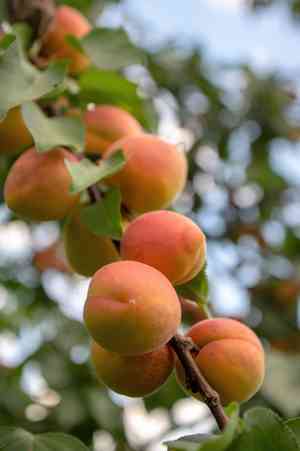
A member of the Rosaceae family, the apricot is prized for its delectable fruit and beautiful spring flowers. To achieve peak vitality and harvest, perform pruning in late winter while the tree is inactive. Essential methods involve thinning congested limbs, eliminating dead or ailing wood, and shortening the prior year's growth to sculpt the tree and stimulate fruit-bearing spurs. Pruning improves air circulation, lessens pest problems, and boosts the size and caliber of the fruit. It is crucial to execute precise cuts and refrain from over-trimming, which can diminish fruit output.
What Are the Benefits of Pruning Apricot?
What Are the Benefits of Pruning Apricot?
Trimming apricot promotes increased yield by allowing more sunlight and air circulation, leading to healthier fruit development. It also aids the tree in growing more robustly and maintaining a manageable shape, decreasing disease risk and simplifying harvesting.
What Is the Best Time for Pruning Apricot?
What Is the Best Time for Pruning Apricot?
Pruning apricot in late winter, just prior to the start of spring growth, is considered optimal due to several reasons. First, the plant is still dormant, reducing stress and the chance of disease entering cuts. Second, removing dead or diseased wood before active growth begins helps direct energy towards healthy new growth. Third, the absence of leaves provides a clearer view of the plant's structure, aiding strategic cutting. Lastly, pruning before spring ensures that flowering and fruiting potential is not negatively impacted, as apricot forms flowers on the previous year's wood.
What Tools Do I Need to Prune Apricot?
Hand Pruners
Perfect for cutting branches up to 3/4 inch thick, hand pruners ensure precise cuts on apricot's smaller branches, fostering healthy growth and fruit production.
Lopping Shears
Featuring long handles, lopping shears provide the leverage needed to trim larger branches, typically up to 2 inches in diameter, on apricot, which is crucial for shaping and removing diseased wood.
Pruning Saw
For branches exceeding 2 inches in thickness, a pruning saw makes clean cuts without harming apricot's remaining limbs, vital for preserving the plant's structure and health.
Pole Pruner
When trimming higher branches of apricot, a pole pruner extends the gardener's reach without needing a ladder, enhancing safety and efficiency in the pruning process.
Gloves
Protecting hands from thorns and rough bark is important when working with apricot, and gloves also provide a better grip on tools.
Safety Glasses
Ensuring eye protection from flying debris while pruning apricot is essential for the gardener's safety.
How to Prune Apricot
Step1: Timing of Pruning
Choose the correct time for pruning apricot, ideally during its dormant period to minimize disease spread and to easily see the structure without leaves, typically late winter before buds open.
Step2: Sanitizing Pruning Tools
Sanitize your pruning tools before use and between cuts if diseased wood is encountered, using a solution of 1 part bleach to 9 parts water or an equivalent disinfectant to prevent pathogen spread.
Step3: Removing Dead Wood
Start by removing all dead wood. Make clean cuts where the dead branch meets healthy wood, being careful not to damage the branch collar - the swollen area at the base of the branch.
Step4: Pruning Diseased Wood
Inspect apricot for any diseased wood, identified by discoloration, cankers, or other abnormal signs. Prune these branches back to healthy tissue, ensuring to cut well below any diseased areas.
Step5: Eliminating Suckers
Locate and remove suckers, which are vigorous shoots that grow from the roots or base of apricot. Cut these shoots as close to the base as possible to discourage regrowth.
Step6: Pruning Water Sprouts
Identify and prune water sprouts, which are upright shoots that grow from the tree's branches and do not contribute to the tree's form or fruit production. Prune these flush with the branch from which they are growing.
Step7: Trimming Broken Branches
Cut away any broken branches to the nearest lateral branch or bud that is outward facing, ensuring the cut is clean and angled away from the bud to prevent water accumulation that could lead to rot.
Step8: Thinning Out the Canopy
After removing problematic parts, thin out the canopy to allow light and air to penetrate, which helps promote healthy growth and fruiting. Remove any overlapping branches and those growing inward towards the center of apricot.
Step9: Shaping the Framework
Shape apricot by encouraging the development of a strong framework of main branches, while fostering a balanced, open center that allows sunlight to reach all parts of the tree.
Step10: Cleanup of Pruned Material
After completing the pruning process, clear all pruned material from around apricot to prevent disease or pests harboring in the debris, and dispose of it properly according to local guidelines.
Step11: Post-Pruning Observation
Observe apricot after pruning to ensure it heals properly over the season and remember to provide adequate water and care to support recovery and growth.
Post-Pruning Care for Apricot
Post-Pruning Care for Apricot
Immediately after pruning apricot, ensure clean cuts to aid healing. Provide ample water, but avoid waterlogging. Manage light exposure, offering bright, indirect sunlight to minimize stress. Maintain optimal humidity and temperature, avoiding extremes. After pruning, delay fertilization for a few weeks, then apply a balanced fertilizer to support new growth. Regularly inspect apricot for signs of stress, such as wilting or discoloration, and for infection indicators like sap oozing. Treat infections promptly with appropriate fungicides or insecticides.
Common Pruning Mistakes with Apricot
Over-pruning Can Stress and Damage Plant
Excessive pruning: Removing too much foliage or too many branches from apricot can stress the plant, leading to reduced fruit production and increased vulnerability to diseases and pests.
Improper Cutting Techniques Harm Healing
Incorrect cuts: Making cuts that are either too flush with the trunk or leaving stubs can result in wounds that do not heal properly, potentially inviting infections.
Neglecting Dead Wood Hinders Growth
Failing to remove dead or diseased wood: Neglecting to eliminate these parts can impede healthy growth and spread diseases throughout apricot.
Cutting Against Natural Shape Reduces Health
Disregarding the plant's natural shape: Over-manipulating the shape of apricot by cutting too aggressively can result not only in a less aesthetically pleasing tree but also in diminished health and fruit quality.
Pruning in Wet Conditions Spreads Disease
Pruning during wet conditions: Working on apricot when it's damp can spread diseases such as bacterial canker, especially if using unsterilized tools.
Disease Spread by Unclean Pruning Tools
Using unsanitized tools: Unclean pruning tools can introduce diseases to fresh cuts on apricot, compromising the plant's health.
Common Pruning Tips for Apricot
Sterilize Tools to Prevent Disease
Sanitize tools before use: To prevent disease spread, clean and sterilize all pruning tools before making cuts on apricot.
Clean Cuts at 45-Degree Angle Promote Growth
Make clean cuts at a 45-degree angle just above outward-facing buds: This angle encourages water runoff and promotes outward growth, ensuring good air circulation which can reduce disease risk.
Maintain Central Leader for Structure
Maintain the central leader: Focus on preserving a strong, central leader branch to give apricot a sturdy structure and encourage vertical growth.
Thin Dense Areas to Boost Health
Thin out dense areas: Removing some branches in overcrowded parts of apricot will improve light penetration and air movement, key factors for the plant's health and productivity.
Remove Suckers and Water Sprouts
Remove suckers and water sprouts: These vigorous growths can drain energy from the productive parts of apricot if not removed.
Balance Structure with Open Canopy
Keep an eye on overall balance and structure: Trim apricot to maintain an open, vase-shaped canopy that allows sunlight to reach the inner branches.
Sharp Tools for Quick Healing Cuts
Use sharp, appropriate tools for cutting: This ensures clean cuts that heal quickly, using hand pruners for small branches, loppers for medium branches, and a pruning saw for larger limbs.
Prune Dead and Diseased Branches for Plant Health
Prune out dead, diseased, or crossing branches: Focus on the health of apricot by regularly removing problematic limbs to prevent disease spread and improve airflow.



