How to Prune American plum?
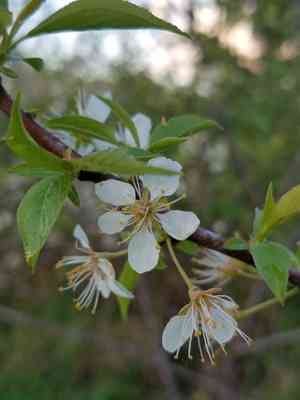
A fruit-bearing tree that sheds its leaves, american plum is valued for its springtime flowers and palatable produce. Perform pruning in late winter prior to bud emergence to foster robustness and control its form. Concentrate on excising deceased or ailing wood, reducing crowded branches, and trimming back boughs that intersect or chafe against one another to avert harm. Trimming boosts the dimensions and excellence of the fruit, along with the tree's well-being, by bettering air movement and sun penetration. Yearly upkeep guarantees a properly formed, fruitful tree.
What Are the Benefits of Pruning American Plum?
What Are the Benefits of Pruning American Plum?
Trimming american plum promotes a more abundant yield, stimulates vigorous development, and maintains a tidy appearance. It is crucial for robust growth, maximizing fruit production, and ensuring structural soundness.
What Is the Best Time for Pruning American Plum?
What Is the Best Time for Pruning American Plum?
Trimming american plum in late winter is optimal as the plant remains dormant, which minimizes stress and prevents sap leakage that can attract pests. It allows gardeners to easily view the plant's structure without leaves, enabling more precise cuts. This timing also avoids removing developing buds that will become spring flowers and fruit, thus not affecting the upcoming fruiting season.
What Tools Do I Need to Prune American Plum?
Hand Pruners
American plum has small branches that are easily managed with hand pruners, especially those with sharp, bypass blades that create clean cuts without crushing the wood.
Lopping Shears
For slightly larger branches, typically up to 2 inches in diameter, lopping shears provide the necessary leverage to make pruning american plum easier.
Pruning Saw
When dealing with branches thicker than 2 inches, a pruning saw is the ideal tool as it can cut through the denser wood without causing damage to american plum.
Pole Pruner
For higher branches that are out of reach, a pole pruner allows for safe trimming without needing a ladder, which is important when managing american plum's height growth.
Hedge Shears
Although not typically used for structural trimming, hedge shears can be suitable for shaping american plum if a more formal hedge appearance is desired.
How to Prune American Plum
Step1: Timing Pruning Season
Determine the optimal time of year to prune american plum, usually late winter or early spring before new growth begins. This prevents cuts from being exposed to extreme cold and reduces disease risk.
Step2: Tool Sterilization
Sanitize your pruning tools with a 10% bleach solution or rubbing alcohol to prevent the spread of diseases.
Step3: Dead Wood Removal
Start by removing all dead wood, making cuts at least 3-4 inches into healthy wood to ensure complete removal of any potentially diseased material.
Step4: Diseased Limb Pruning
Trim any diseased limbs, ensuring you cut back to healthy tissue. If a limb is heavily infected, remove it entirely. Dispose of diseased material properly, preferably by burning or bagging and not composting.
Step5: Sucker Growth Removal
Locate and remove suckers, which are vigorous vertical growths emerging from the base or roots of american plum. Cut these growths as close to the ground as possible, ideally flush with the soil line.
Step6: Canopy Thinning for Light and Air
After removing dead, diseased limbs, and suckers, step back to assess the overall shape of american plum. Use thinning cuts to open up the canopy for better air circulation and light penetration.
Step7: Angle Cuts for Healthy Growth
Make all cuts at a 45-degree angle just above an outward-facing bud or branch, ensuring that water does not collect on the cut surface and to encourage growth in a desirable direction.
Step8: Shape Maintenance and Judicious Cuts
Prune to maintain the natural shape of the american plum, making careful cuts to avoid over-pruning. Always make clean cuts without leaving stubs, as they can be entry points for disease.
Step9: Post-Pruning Tool Cleaning
After pruning, clean your tools again to prevent any transfer of disease to the next plant you work on.
Step10: Post-Pruning Watering
Water the american plum sufficiently after pruning to help reduce stress on the plant and to promote healthy growth.
Post-Pruning Care for American Plum
Post-Pruning Care for American Plum
Immediately after trimming american plum, it's crucial to water thoroughly, promoting recovery. Ensure american plum receives bright, indirect light and maintain moderate humidity to reduce stress. Adjust temperature to avoid extremes. Incorporate a balanced fertilizer to aid in vigor and health but avoid over-fertilization, which can harm recovery. Monitor american plum for wilting, discoloration, or oozing sap—signs of distress or infection. If symptoms appear, promptly apply appropriate fungicides or contact an arborist. Regular inspection secures successful post-pruning outcomes for american plum.
Common Pruning Mistakes with American Plum
Avoid cutting mature woody branches to prevent suckering
Cutting into the older, woody branches of american plum thinking it promotes new growth can actually stimulate suckering and potentially damage the tree's structure.
Do not over-prune foliage to avoid tree stress and loss of blooms
Removing too much foliage from american plum in one pruning session can stress the tree, reducing its vigor and blooming potential.
Sanitize tools to prevent disease and pest spread between plants
Neglecting to sanitize pruning tools before and after use on american plum can lead to the spread of diseases and pests from one plant to another.
Prune with a plan to maintain shape and tree health
Pruning american plum without a clear plan or goal can lead to an uneven shape, poor air circulation, or weakened branches prone to breaking.
Trim branches properly to prevent rot and disease entry
Leaving stubs after cutting branches encourages rot and disease. These stubs can act as an entry point for pathogens.
Common Pruning Tips for American Plum
Selective thinning improves light penetration and healthy growth
Conduct selective thinning of american plum by removing entire branches to the point of origin to improve light penetration and air flow, encouraging healthy growth.
Remove unhealthy branches to maintain tree health
Focus on removing dead, diseased, or damaged branches from american plum to maintain plant health and prevent infection.
Prune above buds to direct new growth and shape
Make use of proper pruning cuts just above a bud pointing in the direction you want new growth to go, to direct the shape of american plum.
Cut back to a significant lateral branch for proper healing
When shortening branches on american plum, cut to a lateral branch that is at least one-third the diameter of the limb being removed to ensure proper healing.
Prune progressively to maintain natural shape and form
Maintain the natural shape of american plum by pruning progressively, standing back periodically to check for balance and form.
Apply wound dressing to large cuts to protect from pests
After pruning american plum, apply a suitable wound dressing to large cuts to protect the tree from entrance of pests and diseases.
Keep pruning tools sharpened and clean for rapid recovery
Keep the pruning equipment sharpened and clean, ensuring precise and clean cuts which help american plum recover more rapidly.



