How to Prune Common selfheal?
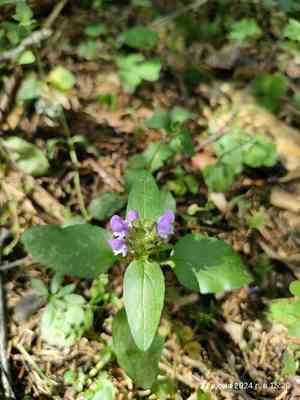
A resilient perennial herb recognized for its therapeutic properties and violet blossoms, common selfheal flourishes with little upkeep. Trimming entails eliminating faded blooms to stimulate subsequent flowering and reducing the plant in early spring or post-bloom to preserve its form and foster more compact development. Performing pruning during the vigorous growth periods, from early spring through late autumn, guarantees strong vitality. Cutting back can revitalize common selfheal, boosting its herbal efficacy and aesthetic charm.
What Are the Benefits of Pruning Common Selfheal?
What Are the Benefits of Pruning Common Selfheal?
Trimming common selfheal encourages robust development and helps preserve its form. Removing overgrown stalks stimulates fresh, healthy shoots, boosting the plant's vigor and visual appeal.
What Is the Best Time for Pruning Common Selfheal?
What Is the Best Time for Pruning Common Selfheal?
Trimming common selfheal in early spring is recommended to eliminate any dead or damaged tissue from winter, allowing for stronger new growth. It also aids in shaping the plant before its rapid growth phase. Late autumn pruning is ideal once common selfheal has finished blooming and entered dormancy. This timing avoids unnecessary plant stress and reduces the risk of frost damage to fresh cuts. It's crucial not to prune during flowering to prevent cutting off blooms, nor when the plant is emerging from dormancy, as this could impede its growth cycle.
What Tools Do I Need to Prune Common Selfheal?
Hand Pruners
The generally non-woody stems of common selfheal require a tool that can make sharp, clean cuts without crushing stem tissue. Hand pruners are easy to maneuver and provide the necessary precision.
Pruning Shears
For maintaining the health and aesthetics of common selfheal, pruning shears are suitable for cutting back and shaping the plant during its active growth phase.
Garden Scissors
When deadheading common selfheal or removing small, unwanted shoots, garden scissors are a convenient tool, offering control and ease of use for fine pruning tasks.
Bypass Pruners
These pruners work like scissors, with one sharp blade bypassing a thicker one, making them perfect for cutting live stems of common selfheal without crushing them, which is vital to prevent damage and disease.
How to Prune Common Selfheal
Step1: Disease Inspection
Examine common selfheal closely to identify spent flowers, withered shoots, and any signs of illness. This helps determine which parts need trimming for the plant's health and vitality.
Step2: Tool Sterilization
Sanitize your pruning tools before starting to prevent the spread of any plant diseases. Use alcohol wipes or a bleach solution (one part bleach to nine parts water) to clean the blades.
Step3: Deadheading Blooms
Begin pruning by removing the dead flowers. Cut the flower stems back to just above a set of leaves or a growth node using sharp, clean shears. This encourages common selfheal to produce more blooms and maintain a compact shape.
Step4: Wilted Shoot Removal
Prune wilted shoots next. Locate healthy tissue by observing the color and firmness of the shoots. Cut back to just above where the stem remains vibrant and firm, which could be as far down as the base of the plant if necessary.
Step5: Diseased Tissue Excision
Identify and remove any diseased parts of common selfheal. Make cuts well into healthy tissue to ensure all diseased material is removed. Be sure to dispose of diseased debris away from healthy plants to prevent contamination.
Step6: Shape Refinement
After completing the pruning of the specified parts, step back and observe common selfheal for overall shape and balance. Trim back any irregular or overgrown areas to maintain an aesthetically pleasing form, cutting back to a leaf node or lateral branch.
Step7: Debris Cleanup
Clean up all pruned material from around common selfheal to prevent any fungal spores or pests harbored in the debris from infecting the plant. Removal of all cuttings is vital for plant health and garden tidiness.
Step8: Post-Pruning Watering
Water common selfheal adequately after pruning to help the plant recover and to encourage new growth. Ensure that the water penetrates deeply into the soil to reach the roots.
Step9: Health Monitoring
Monitor common selfheal for a few weeks following pruning to watch for signs of stress or further disease. Additional care may include mulching or applying a balanced, slow-release fertilizer to promote healthy regrowth.
Post-Pruning Care for Common Selfheal
Post-Pruning Care for Common Selfheal
Immediately after trimming common selfheal, water the plant thoroughly to reduce stress. Place it in a location with indirect sunlight, maintain moderate humidity, and keep the temperature steady to avoid shocking the plant. Apply a balanced, diluted fertilizer to encourage growth but avoid over-fertilization, which can cause more harm than good. Regularly inspect common selfheal for signs of stress such as wilting or yellowing leaves, and for infection indicated by dark, soft spots. If symptoms occur, isolate the plant and consult a horticulturist for appropriate treatment.
Common Pruning Mistakes with Common Selfheal
Overly Aggressive Pruning Stunts Growth
Pruning too aggressively often leads to a negative impact on common selfheal, as it can stunt the plant's growth and reduce its vigor.
Unclean Tools Risk Disease Transfer
Neglecting to disinfect the pruning tools before use on common selfheal, which risks transferring diseases or pests from other plants.
Random Pruning Affects Plant Shape
Cutting randomly without understanding the natural shape of common selfheal can result in an unsightly appearance and may harm the plant's natural growth pattern.
Neglect of Dead Stems Impedes Health
Ignoring dead or diseased stems, which can hinder common selfheal's overall health and growth if not removed promptly.
Even Stem Cutting Prohibits Natural Form
Pruning all stems to the same height, which can lead to a less aesthetic appearance and might not promote the best growth form for common selfheal.
Common Pruning Tips for Common Selfheal
Sterilize Tools to Prevent Disease Spread
Sterilize pruning tools with a solution of one part bleach to nine parts water to prevent the spread of disease when trimming common selfheal.
Prune After Bloom for Shape and Rebloom
Cut back the flowered stems to the base of the plant after blooming to encourage a tidy growth habit and possibly a second flowering in common selfheal.
Trim Top Third to Maintain Health and Shape
Remove only the top third of the growth when cutting back plants to maintain the health and shape of common selfheal.
Cut Above Leaf Nodes for Stimulated Growth
Look for the 'leaf nodes', where new leaves will grow, to make angled cuts just above them when pruning common selfheal, which will help stimulate new growth.
Deadhead Spent Blooms to Boost Flowering
While deadheading, snip off spent blooms to encourage more flowers and prevent common selfheal from focusing its energy on seed production.
Selectively Prune to Enhance Natural Shape
Assess the overall form of common selfheal and prune selectively to maintain an attractive, natural-looking shape.
Clean Clippings to Reduce Pests and Disease
Clean up any clippings from around common selfheal after pruning to maintain a tidy area and reduce the risk of pests and disease.



