How to Prune Canistel?
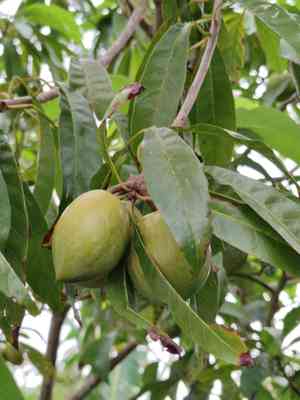
This exotic fruit-bearing tree, recognized for its ovate yellow produce, thrives with trimming to preserve its form and output. The optimal period for pruning is in spring, following the final collection of fruit. Eliminate any lifeless or ailing limbs, reduce crowded canopy sections to enhance airflow, and shorten excessively robust branches to stimulate fruit production. Regular trimming prevents excessive growth, fosters improved harvests, and boosts the tree's overall well-being. Refrain from severe pruning to safeguard the canistel's capacity for bearing fruit.
Advantages of Trimming Canistel
Advantages of Trimming Canistel
Trimming canistel promotes stronger, more vigorous development, leading to an increased yield of its distinctive fruit. Regular pruning helps maintain a desired form and size, contributing to the plant's appearance and well-being by reducing the potential for pest and disease infestation.
Optimal Time for Pruning Canistel
Optimal Time for Pruning Canistel
Pruning canistel from late winter to early spring is ideal, as it occurs just before the growth season begins, allowing the plant to heal quickly and produce new growth. This timing also avoids removing flower buds that form later, which are crucial for fruit production. Pruning at this time minimizes stress on canistel, as the dormant phase ends and active growth has not yet started. It also provides an opportunity to shape the tree and remove any damaged or diseased branches without affecting the yield.
Tools Required for Canistel Pruning
Hand Pruners
For cutting smaller branches and twigs, hand pruners or secateurs are essential. They provide a clean cut, important for the plant's health, and are ideal for selectively removing dead or diseased wood.
Loppers
When dealing with thicker branches, typically up to 2 inches in diameter, loppers will be more effective. They offer greater leverage and a longer reach, which is useful for canistel's denser growth.
Pruning Saw
For the largest branches, exceeding 2 inches in diameter, a pruning saw is necessary. A sharp saw allows for precise cuts on canistel, minimizing damage to the plant's main structure.
Pole Pruner
If canistel has grown quite tall and has hard-to-reach areas, a pole pruner will be helpful. It allows the gardener to prune higher branches safely from the ground, which is preferable to using a ladder.
How to Prune Canistel
Identify
Inspect canistel for any dead or diseased branches, which can be identified by their dry, brittle, and often discolored appearance.
Sterilize
Sterilize pruning tools before starting to prevent the spread of disease to healthy parts of canistel. Use either isopropyl alcohol or a 10% bleach solution to clean the blades.
Cut dead branches
Use sharp, clean pruning shears to make a clean cut to remove dead branches. Cut at a 45-degree angle just above a node or lateral branch to promote healthy regrowth without leaving stubs that could lead to decay.
Trim diseased branches
Prune diseased branches by cutting them back to healthy wood, well below the affected area. Ensure that the cut is made into healthy, green wood to ensure canistel can heal properly.
Disposal
Dispose of the removed dead and diseased branches properly by burning them or disposing of them in a way that complies with local regulations, to prevent disease from spreading in the garden.
Common Pruning Errors with Canistel
Over pruning
A common error is removing too much of canistel's foliage or branches at once, which can stress the plant and hinder its growth. Avoid pruning more than 25-30% of the plant in one session.
Cutting at wrong angle
Gardeners may inadvertently make cuts at improper angles. Cuts should be made at a 45-degree angle, sloping away from the bud, to prevent water accumulation on the cut surface, which can lead to fungal infections.
Pruning healthy wood
A common misstep is cutting away healthy wood instead of focusing on dead or diseased branches. Pruning should aim to remove only the parts of canistel that are no longer productive or are detrimental to its health.
Disregarding branch structure
Not considering the branch structure and natural shape of canistel when pruning can result in a misshapen and weakened plant. It's important to maintain the integrity of the tree's form.
General Pruning Advice for Canistel
Sanitization
Always use sanitized pruning tools to avoid the transmission of diseases between plants. This practice is essential for maintaining the health of canistel.
Thin crowded areas
For optimal air circulation and light penetration, selectively thin out crowded areas of canistel, which helps to prevent pest infestations and diseases.
Cut to outward facing bud
When making pruning cuts, aim to cut just above an outward-facing bud. This encourages canistel to grow outwards, creating a more open and productive form.
Prune damaged limbs
Prioritize the removal of any damaged, diseased, or crossing branches to maintain the health and structural integrity of canistel, facilitating its recovery and subsequent growth.



