How to Prune Potentilla discolor?
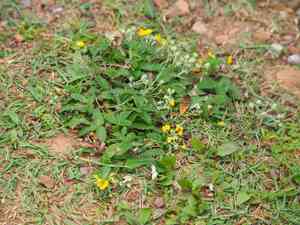
This enduring herb thrives with consistent cutting back to foster vigorous development and blossom production. For potentilla discolor, trimming ought to be performed in early spring or throughout the summer months. Begin by excising any deceased or unhealthy leaves and reduce dense sections to enhance air circulation and light exposure. Routinely removing faded blooms will stimulate continuous flowering across the season. Pruning not only preserves its appealing form but also aids in disease prevention by eliminating possibly contaminated sections, guaranteeing sturdy growth and an abundant blooming phase.
What Are the Benefits of Pruning Potentilla Discolor?
What Are the Benefits of Pruning Potentilla Discolor?
Trimming potentilla discolor promotes robust development and assists in preserving its desired form. Consistent cutting back can revitalize growth, improve the plant's structure, and ensure a dense, attractive shape.
What Is the Best Time for Pruning Potentilla Discolor?
What Is the Best Time for Pruning Potentilla Discolor?
Trimming potentilla discolor in Spring boosts the plant's vitality by eliminating old or dead parts, which encourages renewal. This timing is ideal as it allows the plant to quickly recover and produce new growth before its active season. Summer pruning, especially right after flowering, is good for shaping the plant or managing its size. This timing ensures the plant stays manageable and directs its energy to healthy branches, improving overall health.
What Tools Do I Need to Prune Potentilla Discolor?
Hand Pruners
Perfect for making precise cuts on potentilla discolor's thinner stems and branches. They enable clean, close cuts that help maintain the health and shape of potentilla discolor.
Pruning Shears
Useful for shaping potentilla discolor and managing its size. These shears can handle slightly thicker stems and branches, offering flexibility for seasonal upkeep.
Loppers
Suitable for reaching into denser areas of potentilla discolor to trim thicker stems that hand pruners might struggle with. Their long handles provide leverage and reduce effort.
How to Prune Potentilla Discolor
Identify
Carefully examine potentilla discolor to find any diseased or withered leaves and stems. These often appear discolored, shriveled, or show signs of fungal infection and must be removed to maintain plant health.
Sanitize
Before you begin pruning, disinfect your tools using a solution of 1 part bleach to 9 parts water to prevent disease spread. Clean tools after each cut when moving between different parts of potentilla discolor.
Trim leaves
Gently remove diseased and withered leaves at their base where they meet the stem or a healthy part of the leaf. Use sharp scissors or pruning shears for clean cuts. This helps prevent tearing that could further stress potentilla discolor.
Trim stems
Cut diseased stems at least 2-3 inches below the affected area, into healthy, undamaged tissue. Make angled cuts to help water run off and promote healing.
Cleanup
Dispose of all removed plant material (diseased leaves, stems) securely in a bin or by burning if allowed. Do not compost as this could spread the disease. Clean the area around potentilla discolor to prevent any fungal spores from re-infecting.
Common Pruning Mistakes with Potentilla Discolor
Over-pruning
Removing too much foliage at once can stress potentilla discolor, hindering its ability to flourish. It's vital to prune no more than one-third of the total growth to maintain plant health and vigor.
Improper cutting technique
Using dull or dirty pruning tools can cause jagged cuts that harm potentilla discolor. Clean, sharp cuts heal faster and reduce the risk of disease.
Neglecting plant shape
Failing to observe and maintain the natural shape of potentilla discolor during pruning can result in a less appealing appearance and potentially impede its growth.
Common Pruning Tips for Potentilla Discolor
Use sharp tools
Always use clean, sharp pruning shears. This ensures clean cuts that heal quickly, minimizing stress and infection risks.
Prune for health
Regularly remove dead or diseased branches to promote potentilla discolor's health and vigor. This helps maintain not only its appearance but also its functional integrity.
Encourage branching
Make cuts just above leaf nodes to encourage new growth. This helps potentilla discolor become fuller and more robust, enhancing its ornamental appeal.



