How to Prune European aspen?
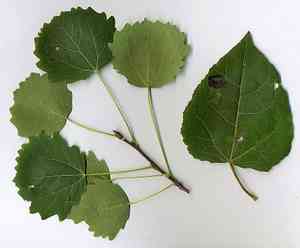
A deciduous tree recognized for its quivering foliage and lofty height, european aspen thrives with trimming to preserve its vitality and form. The most suitable periods for pruning are in late winter or early spring, prior to the emergence of new shoots. Essential methods involve reducing older branches, eliminating deceased or ailing wood, and sculpting for visual appeal or structural integrity. Pruning european aspen stimulates robust development, diminishes the likelihood of pests and illnesses, and improves air movement throughout the crown.
What Are the Benefits of Pruning European Aspen?
What Are the Benefits of Pruning European Aspen?
Trimming european aspen encourages vigorous new development and maintains an appealing form. Regular cutting aids in boosting sunlight penetration and air circulation, resulting in a healthier and stronger plant.
What Is the Best Time for Pruning European Aspen?
What Is the Best Time for Pruning European Aspen?
Pruning european aspen in late winter or early spring optimizes the plant's recovery and minimizes stress prior to its active growth period. Pruning during dormancy reduces sap loss, which can be significant in species like european aspen if pruned later. Furthermore, without leaves, european aspen's structure is clearer, allowing for more accurate cuts. This timing also prevents pruning in the fall, which might stimulate new growth that may not harden before frost, leading to damage. Additionally, pruning before spring growth starts helps prevent disease spread, as many pathogens are less active in colder months.
What Tools Do I Need to Prune European Aspen?
Hand Pruners
Perfect for cutting small branches and twigs on european aspen, as they allow for precise cuts without causing unnecessary harm to the plant.
Loppers
Ideal for reaching higher branches and cutting through thicker stems on european aspen, typically up to 2 inches in diameter, providing leverage for clean cuts.
Pruning Saw
Essential for cutting branches over 2 inches in diameter on european aspen, as hand pruners and loppers may not be adequate for larger limbs.
Pole Pruner
Useful for trimming higher branches of european aspen without needing a ladder, ensuring safety and efficiency in tree maintenance.
Shears
Suitable for shaping and maintaining the smaller branches and foliage of european aspen, especially for hedges or topiary work.
How to Prune European Aspen
Step1: Identify Unhealthy Wood and Suckers
Examine european aspen for indications of diseased, damaged, or dead wood, as well as any suckers emerging from the roots or base of the trunk. This will determine which sections require trimming.
Step2: Sterilizing Pruning Tools
Sanitize your pruning tools with rubbing alcohol or a 10% bleach solution to prevent the spread of disease.
Step3: Pruning Diseased Wood
Begin by removing any diseased wood. Cut back to healthy tissue, ensuring the entire affected area is removed. The cut should be made just beyond a lateral branch or bud.
Step4: Pruning Damaged Wood
Trim damaged wood by making clean cuts at a 45-degree angle approximately 1/4 inch above a bud or branch that faces away from the plant. This encourages healthy growth and improved air circulation.
Step5: Removing Suckers
To eliminate suckers, cut them down to ground level or as close to their origin point as possible. Use sharp pruning shears or a saw for thicker suckers.
Step6: Clean Tools After Pruning
After trimming diseased or damaged wood, clean your tools again to avoid transferring pathogens to other parts of the plant or to other plants.
Step7: Proper Disposal of Pruned Material
Dispose of all removed material correctly, ideally by burning or placing it in sealed bags, to prevent the spread of any disease.
Step8: Watering and Fertilizing Post-Pruning
Following pruning, water european aspen thoroughly and consider applying a balanced fertilizer to aid the plant's recovery from the stress of trimming.
Step9: Monitor Plant Health Post-Pruning
Observe european aspen after pruning for signs of stress or disease and take appropriate action if issues are detected.
Step10: Pruning During Dormancy
Remember to prune during dormancy, typically in late winter to early spring, to minimize stress and prevent sap bleeding.
Post-Pruning Care for European Aspen
Post-Pruning Care for European Aspen
Immediately after pruning european aspen, water thoroughly to alleviate stress. Ensure european aspen receives adequate light but avoid excessive sun, which can harm tender new growth. Maintain ambient humidity and a stable temperature to prevent shock. Apply a balanced fertilizer to promote healing and new growth. Regularly inspect pruned areas for decay or pests; signs of distress require prompt treatment. Following these guidelines for adequate care will support european aspen's recovery and robust growth.
Common Pruning Mistakes with European Aspen
Over-pruning
Trimming too much at once, which can stress european aspen and potentially lead to disease or stunted growth.
Improper cutting techniques
Making incorrect or ragged cuts that can allow pests and disease to penetrate european aspen.
Excessive lower branch removal
Removing too many lower branches, which can result in a weak structure and impact the overall stability of european aspen.
Using unsterilized tools
Failing to sanitize pruning tools between cuts, which could spread disease from one part of european aspen to another or even between different plants.
Neglecting damaged branches
Ignoring dead, diseased, or broken branches, which can impede european aspen's growth and health.
Common Pruning Tips for European Aspen
Clean cuts above buds or branches
Use clean, sharp tools to make precise cuts on european aspen, aiming just above a bud or branching point for optimal healing and regrowth.
Natural shape maintenance pruning
Prune to maintain the natural form of european aspen, removing only essential branches to avoid over-thinning, which can affect the plant's vitality.
Prompt deadwood removal
Remove dead or diseased wood as soon as it's noticed to help european aspen maintain health and vigor, cutting back to healthy tissue.
Thinning for light and air flow
Focus on thinning out dense areas of growth to ensure adequate light and air circulation, which is crucial for the wellbeing of european aspen.
Structural integrity focused pruning
Make an effort to prune for structural integrity, especially in the early stages of growth, to establish a strong framework for european aspen.



