How to Prune Simon's poplar?
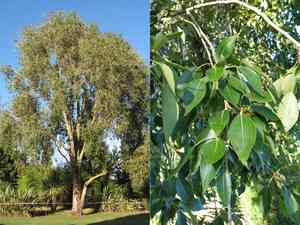
Simon's poplar, a deciduous tree recognized for its rapid development and imposing stature, flourishes with appropriate trimming. Essential methods involve reducing dense branches to enhance light access and air movement, eliminating deceased or injured boughs to preserve well-being, and sculpting for visual appeal or structural soundness. The most effective time for pruning is in late winter or early spring, while the tree is inactive, to stimulate strong new shoots. Trimming simon's poplar refines its inherent shape, fosters vigorous health, and can avert potential harm from weighty branches.
Advantages of Trimming Simon's Poplar
Advantages of Trimming Simon's Poplar
Trimming simon's poplar encourages more robust development by channeling energy to fewer branches, resulting in stronger growth. It also preserves the tree's desired form, enhancing its look and structural soundness.
Optimal Period for Pruning Simon's Poplar
Optimal Period for Pruning Simon's Poplar
Pruning or trimming simon's poplar during late winter or early spring is considered ideal because this timing aligns with the plant's dormant phase and precedes the vigorous growth that typically occurs in spring. Pruning in late winter minimizes sap loss, which can be more substantial if pruning is done after spring growth has begun. Additionally, removing branches or limbs in late winter reduces the risk of disease transmission, as many pathogens are less active during cold weather. By trimming before the onset of new growth in early spring, wounds heal faster, and the plant can direct its energy into producing new, healthy growth, rather than repairing older, possibly damaged or diseased tissue. Moreover, without leaves, the structure of simon's poplar is more visible, allowing for more precise cuts and a clearer assessment of which branches should be removed for optimal plant health and shape.
Tools Required for Pruning Simon's Poplar
Hand Pruners
Essential for making clean cuts on young branches and water sprouts of simon's poplar. Capable of cutting up to 3/4 inch in diameter, they are ideal for cutting at precise angles to promote healthy regrowth.
Loppers
Ideal for trimming branches that are too thick for hand pruners but too thin for saws, generally up to 2 inches in diameter. Perfect for reaching into the denser areas of simon's poplar without causing damage to surrounding branches.
Pruning Saw
Necessary for cutting through thicker branches of simon's poplar larger than 2 inches in diameter. The saw allows for clean cuts that promote rapid healing.
Pole Pruner
Offers extended reach for higher branches of simon's poplar, combining a saw and a lopper in one tool. This is particularly useful for simon's poplar's height without climbing the tree.
Shears
Useful for shaping and maintaining the desired form of simon's poplar through trimming of smaller twigs and foliage with precision.
Safety Gear
Includes gloves, safety glasses, and a hard hat to protect the gardener from injury while pruning simon's poplar. Safety should always be a priority.
How to Prune Simon's Poplar
Identify
Assess simon's poplar for dead or diseased branches. These are typically discolored, brittle, or have visible signs of fungal growth or insect damage.
Sanitize
Before pruning simon's poplar, sterilize all pruning tools. Use a solution of 1 part bleach to 9 parts water to prevent the spread of disease.
Prunedead
Cut dead branches back to live tissue on simon's poplar, ensuring clean cuts just above a bud or lateral branch without leaving stubs.
Removediseased
Remove diseased branches from simon's poplar by cutting at least several inches into healthy tissue to ensure the disease is completely removed.
Disposal
Properly dispose of all removed branches and debris from simon's poplar to prevent the spread of disease and pests.
Common Pruning Mistakes with Simon's Poplar
Overpruning
Removing too much foliage from simon's poplar can stress the tree, reduce its vigor, and expose it to diseases.
Improper Cut Locations
Making cuts too close to the trunk can injure simon's poplar by removing the branch collar, leading to poor wound healing. Conversely, leaving too long a stub can lead to decay.
Torn Bark
Incorrect cutting technique can result in bark tearing, which can harm simon's poplar by allowing entry points for pests and disease.
Pruning Without Sharpened Tools
Using dull tools can result in ragged cuts, harming simon's poplar by damaging tissues and increasing susceptibility to disease.
Ignoring Diseased Limbs
Not removing diseased or dead branches can lead to further infection and compromise the overall health of simon's poplar.
Flush Cutting
Flush cutting against the trunk can remove the branch collar, impairing the healing process for simon's poplar and promoting decay.
Common Pruning Tips for Simon's Poplar
Sharp Tools
Utilize sharp, clean pruning tools for making clean cuts that heal quickly and minimize stress to simon's poplar.
3 Cut Method
Use the 3-cut method for large branches to prevent bark tearing: a notch cut on the underside, a relief cut further out, and a final cut just outside the branch collar.
Clean Cuts
Make clean cuts at a slight angle, away from the bud, to promote water runoff and prevent rot in simon's poplar.
Selective Pruning
Remove only dead, damaged, or diseased limbs, and thin out dense areas to improve light penetration and air circulation within simon's poplar's canopy.
Natural Shape
Prune to maintain simon's poplar's natural habit, avoiding excessive topping or shaping that could stress the tree and lead to weak, spindly growth.
Proactive Pruning
Regularly inspect and proactively prune small issues in simon's poplar to prevent larger problems later on and to minimize the need for extensive pruning.



