How to Prune Eastern cottonwood?
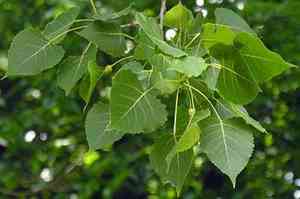
The eastern cottonwood, a rapidly developing, deciduous tree characterized by its expansive, quivering foliage, necessitates trimming to preserve its form and encourage robust development. Essential methods involve removing deceased limbs, sculpting the crown, and managing its dimensions. The most suitable period for pruning is from late winter to early spring, prior to the emergence of buds. Execute pruning to avert excessive shoot growth and guarantee precise cuts to deter illness. Advantages encompass heightened vitality, superior air movement, and reinforced structural soundness.
What Are the Benefits of Pruning Eastern Cottonwood?
What Are the Benefits of Pruning Eastern Cottonwood?
Trimming eastern cottonwood is vital for eliminating damaged limbs, which in turn encourages robust new growth and aids in preserving the tree's form. This procedure is crucial for the well-being and visual appeal of eastern cottonwood.
What Is the Best Time for Pruning Eastern Cottonwood?
What Is the Best Time for Pruning Eastern Cottonwood?
Late winter and early spring are considered ideal for trimming eastern cottonwood because they are typically inactive during this period. Pruning during dormancy minimizes stress on the trees, lowers the chance of disease transmission, and helps prevent sap loss, which can be significant with eastern cottonwood. By removing dead or unwanted branches at this time, it supports the plant's natural growth cycle, fostering vigorous spring development. Additionally, the absence of leaves allows for better visibility of the tree's structure, ensuring more effective pruning. It's also essential to avoid pruning during late spring and early summer, as this is when eastern cottonwood produces seeds and any cuts could interfere with its reproductive cycle.
What Tools Do I Need to Prune Eastern Cottonwood?
Hand Pruners
Suitable for cutting small branches and twigs on young eastern cottonwood trees. Essential for precise cuts that promote healthy growth.
Loppers
Ideal for reaching higher branches and making cleaner cuts on branches up to 2 inches in diameter; reduces strain on gardener.
Pruning Saw
Necessary for larger branches over 2 inches in diameter. Provides the capability to handle the mature growth of eastern cottonwood without damaging the tree.
Pole Saw
Allows for safe pruning of higher branches without the use of a ladder, which is important as eastern cottonwood can reach significant heights.
Chainsaw
For professional use or in cases of large scale pruning, essential for managing very thick branches and heavy-duty work on mature eastern cottonwood trees.
Personal Protective Equipment (PPE)
Safety goggles, gloves, and hard hats protect against falling branches and debris, especially important given the size and height of eastern cottonwood.
Heading Back (optional)
Promotes denser growth and maintains the desired shape of eastern cottonwood, especially for ornamental purposes.
Thinning Cut (optional)
Encourages better air circulation and light penetration, critical for the health of eastern cottonwood. Ensures the natural growth habit of the tree is respected.
How to Prune Eastern Cottonwood
Step1: Inspect Plant for Pruning Areas
Inspect eastern cottonwood thoroughly before pruning. Look for the specific parts that need attention: deadwood, diseased wood, and crossing limbs. This will help you determine which branches to prune.
Step2: Sterilize Pruning Tools
Sanitize your pruning tools with alcohol or a bleach solution to prevent the spread of disease. This is crucial to avoid infecting the cuts you will make on eastern cottonwood.
Step3: Remove Dead Branches
Start with deadwood. Carefully remove any dead branches by cutting them back to the point of live tissue or back to the main trunk. Use sharp, clean pruning shears or a saw, depending on the thickness of the branch. Make sure to cut at a slight angle, away from the node or main trunk, to promote healing.
Step4: Cut Away Diseased Wood
Identify and remove any diseased wood. Look for wood that has unusual colors or textures. Prune these branches back to healthy tissue, ensuring you make the cut at least a few inches into healthy wood to prevent the disease from spreading.
Step5: Prune Crossing Limbs
Prune the crossing limbs. Select the weaker or more poorly positioned limb of each pair that cross, and prune it away. Cut back to the next lateral branch or main trunk, ensuring not to leave a stub as it can be an entry point for pests or disease.
Step6: Assess and Shape Tree
After removing dead, diseased, and crossing limbs, step back to assess the tree's shape. If further shaping is necessary for the health or aesthetics of eastern cottonwood, target specific branches that imbalance the tree's overall structure.
Step7: Improve Air and Light Flow
Make any additional selective cuts to improve air circulation and light penetration throughout eastern cottonwood. This can involve reducing the density by thinning out some of the remaining branches, especially if they are closely packed.
Step8: Debris Cleanup
Clean up all the debris from pruning eastern cottonwood. Remove all trimmed branches and leaves from the site to prevent any potential spread of insects or disease.
Step9: Post-Pruning Monitoring
Monitor eastern cottonwood after pruning for any signs of disease or stress. Proper aftercare includes watering adequately if there are dry conditions and mulching to help retain soil moisture and moderate soil temperature.
Step10: Pruning During Dormant Season
Note that eastern cottonwood should be pruned during the dormant season, preferably in late winter or early spring before new growth begins, to minimize stress and sap loss which can attract pests.
Post-Pruning Care for Eastern Cottonwood
Post-Pruning Care for Eastern Cottonwood
Immediately after trimming eastern cottonwood, ensure the wound is clean to promote healing. Optimize light exposure and protect eastern cottonwood from extreme temperatures. Maintain ambient humidity to avoid stress. Support recovery with balanced fertilization, avoiding excess nitrogen, which could promote vulnerable new growth. Monitor eastern cottonwood for discoloration, wilting, or oozing, which indicate stress or infection. If these signs appear, consult a plant pathologist to address potential diseases promptly. Regular inspections help maintain eastern cottonwood's health post-pruning.
Common Pruning Mistakes with Eastern Cottonwood
Over-pruning can lead to stress and disease in plants
Pruning too much at once, which can stress eastern cottonwood and make it vulnerable to diseases and pests.
Unclean or dull tools damage plants and introduce disease
Using dull or unclean tools, leading to ragged cuts that can harm eastern cottonwood and introduce pathogens.
Topping trees can weaken growth and disrupt the structure
Topping or indiscriminate cutting of the main branches, which can result in weak growth and poor tree structure.
Excessive lower branch removal risks instability and damage
Removing too many of the lower branches (lions-tailing), which can cause eastern cottonwood to have an unstable structure and increased risk of storm damage.
Improper pruning may disrupt growth patterns and aesthetics
Pruning without understanding the growth pattern of eastern cottonwood, potentially leading to unbalanced foliage distribution and compromised aesthetics.
Common Pruning Tips for Eastern Cottonwood
Use sharp, clean tools for quick healing and disease prevention
Make sure to use sharp, clean tools to make precise cuts that eastern cottonwood can heal from quickly, reducing the risk of infection.
Remove only dead or diseased branches for plant health
Focus on removing dead, damaged, or diseased branches to maintain the health and safety of eastern cottonwood.
Prune to a bud facing the desired direction of growth
When shortening branches, cut back to a lateral branch or bud that is facing the direction you want new growth to proceed.
Use three-cut technique for large branches to avoid bark damage
For larger branches, use the three-cut technique to prevent bark ripping: make a notch on the underside of the branch a few inches from the trunk, then cut downward from the top of the branch further out from the first cut, and finally remove the stub by cutting just outside the branch collar.
Thin canopy to improve sunlight and reduce fungal diseases
Thin out the canopy of eastern cottonwood to increase sunlight penetration and air circulation, which helps reduce the risk of fungal diseases.
Maintain central leader and spaced branches for stability
Retain a strong central leader and evenly spaced lateral branches to promote a stable and aesthetically pleasing tree structure.



