How to Prune Narrowleaf cottonwood?
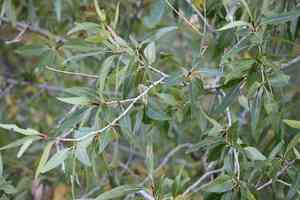
The narrowleaf cottonwood, a distinctive plant characterized by its slender, elongated foliage and erect, towering stature, greatly benefits from appropriate trimming. The optimal period for pruning narrowleaf cottonwood is in late winter or early spring, prior to the emergence of fresh growth. This schedule aids in deterring infestations and illnesses, concurrently fostering robust new development. Consistent elimination of deceased or compromised branches and strategic thinning contributes to the plant's well-being and form. Furthermore, pruning improves light exposure and air movement, which are vital for the plant's comprehensive vigor.
What Are the Benefits of Pruning Narrowleaf Cottonwood?
What Are the Benefits of Pruning Narrowleaf Cottonwood?
Trimming narrowleaf cottonwood encourages robust development and maintains its form, vital for preventing density and improving air movement, which lowers disease risk. Regular trimming also supports a more appealing landscape presence.
What Is the Best Time for Pruning Narrowleaf Cottonwood?
What Is the Best Time for Pruning Narrowleaf Cottonwood?
Trimming narrowleaf cottonwood in late winter or early spring is recommended as these periods align with its dormant phase, just before new growth begins. This timing minimizes stress on narrowleaf cottonwood, allowing quicker recovery and efficient energy use for strong spring growth. Furthermore, the absence of leaves at this time offers better visibility of the tree's structure, enabling more precise cuts and helping maintain its health and shape. This interval also precedes the sap flow that typically starts in spring, reducing the risk of excessive bleeding from cuts, which can be harmful.
What Tools Do I Need to Prune Narrowleaf Cottonwood?
Hand Pruners
Perfect for making precise cuts on smaller branches of narrowleaf cottonwood, ensuring clean cuts that promote healthy regrowth.
Lopping Shears
Crucial for cutting thicker branches, typically those up to 1.5 inches in diameter, allowing for better reach and leverage.
Pruning Saw
Required for cutting through branches thicker than 1.5 inches. A saw with a curved blade will be particularly effective for narrowleaf cottonwood, providing clean cuts on larger limbs without damaging the bark.
Pole Pruner
Useful for reaching higher branches without the need for a ladder, enhancing safety while pruning narrowleaf cottonwood. This tool combines a saw and a lopper on an extendable pole, offering versatility for different sizes of branches.
Hedge Shears
Recommended for shaping and managing the dense foliage of narrowleaf cottonwood. These shears allow for quick, even trimming of smaller branches and leaves, maintaining the treeâs aesthetic shape.
How to Prune Narrowleaf Cottonwood
Identify
Examine narrowleaf cottonwood systematically for dead or diseased branches. Look for limbs that show signs of decay such as discoloration, fungi growth, or breakage.
Clean tools
Before starting to prune, clean and sterilize all pruning tools. This prevents the spread of disease between the branches and other plants.
Cut diseased
Using sharp pruning shears, cut diseased branches of narrowleaf cottonwood back to healthy wood. Make cuts at a 45-degree angle, just above a bud facing the outer side of the plant to encourage proper growth direction.
Remove dead
Remove dead branches by cutting them at the point where they meet healthy, living tissue. Ensure these cuts are clean and close to the trunk to facilitate rapid healing.
Dispose
Properly dispose of all removed branches by burning or sealing them in a bag, especially if they are diseased. This prevents any potential spread of pathogens to other parts of narrowleaf cottonwood or neighboring plants.
Common Pruning Mistakes with Narrowleaf Cottonwood
Overpruning
Many gardeners overestimate how much narrowleaf cottonwood should be pruned at one time. Removing more than 25-30% of the foliage in one session can stress the plant, leading to weakened defense against pests and diseases.
Improper cuts
Inexperienced gardeners often make jagged or torn cuts, which can prevent the narrowleaf cottonwood from healing properly. This can introduce pathogens and inhibit future growth.
Ignoring diseased limbs
Failing to identify and remove diseased or damaged branches promptly leaves narrowleaf cottonwood vulnerable to further infection or infestation.
Neglecting tool maintenance
Using dull or unclean pruning tools can cause unnecessary damage to the branches of narrowleaf cottonwood, affecting its overall health.
Common Pruning Tips for Narrowleaf Cottonwood
Proper cuts
Make clean, angled cuts just above a bud or branch junction, ensuring that the angle slopes away from the bud. This encourages water runoff and prevents disease.
Disinfect tools
Regularly clean and disinfect pruning tools before and after working on narrowleaf cottonwood, to minimize the risk of spreading diseases between plants.
Prune strategically
Focus on removing dead, damaged, or diseased branches first. Then, thin out areas where branches are overcrowded to improve air circulation and light penetration.
Follow the natural form
Aim to maintain the natural architecture of narrowleaf cottonwood when pruning. Avoid substantial topping or removing large branches at the crown, as this can disrupt the plant's natural balance and aesthetics.



