How to Prune Pickerelweed?
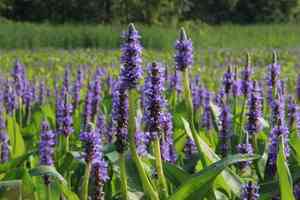
This water-dwelling perennial is recognized by its lance-shaped leaves and vivid purple blossoms. For pickerelweed, trim away any deceased or discolored foliage near the base to foster well-being and development. The optimal period for trimming spans from early spring through late summer, to boost blooming and manage its form. Remove faded flower stalks to stimulate additional blossoms. Trimming also deters pickerelweed from spreading excessively under favorable circumstances. Consistent elimination of older leaves and stems preserves its visual appeal and vitality.
What Are the Benefits of Pruning Pickerelweed?
What Are the Benefits of Pruning Pickerelweed?
Trimming pickerelweed promotes robust development and helps maintain its form. It encourages denser leaves, which can result in more abundant blooms and a more pleasing appearance. This practice also enables gardeners to control the size and structure of pickerelweed, ensuring it complements the garden space effectively.
What Is the Best Time for Pruning Pickerelweed?
What Is the Best Time for Pruning Pickerelweed?
Trimming pickerelweed in early spring aligns with the start of its growth cycle as the plant emerges from dormancy. This timing allows for the removal of any winter frost damage and stimulates healthy new growth. Late summer pruning coincides with the end of the flowering period, ensuring the aesthetic value of the blossoms is enjoyed and that any spent flower spikes or seed pods can be removed to redirect the plant's energy into root and foliage development. These seasons ensure that pickerelweed has sufficient time to recover before winter and to establish growth before the next flowering season, ultimately enhancing its overall health and vitality.
What Tools Do I Need to Prune Pickerelweed?
Hand Pruners
Pickerelweed is an aquatic plant with relatively soft stems, making hand pruners ideal for making clean cuts without damaging the plant. They are perfect for trimming back spent flowers and removing dead or yellowing leaves to encourage new growth.
Long-Handled Pruners
For pickerelweed plants that are in deeper water or have dense foliage, long-handled pruners will provide the extra reach needed to prune without stepping into the water. This tool will help in maintaining the shape and health of the plant from the pond's edge.
Pruning Saw
If pickerelweed has developed any thicker, tougher stems or needs a more significant reduction in size, a pruning saw can make these cuts easier. This should be used sparingly, only on parts of the plant that hand pruners cannot handle.
Gardening Gloves
Gloves will protect your hands from sharp edges and potential irritants when pruning pickerelweed. They provide a better grip and protect against moisture when working in an aquatic environment.
Aquatic Weed Rake
In cases where pickerelweed has overgrown and needs more extensive management, an aquatic weed rake can be used to remove large amounts of plant material from the water body. This can help in controlling its spread and maintaining a balanced ecosystem.
How to Prune Pickerelweed
Step1: Timing Pruning to Encourage Blooming
Wait until late winter or early spring to start pruning pickerelweed, as pruning at this time helps prevent the removal of new growths or flower buds which can reduce flowering for the season.
Step2: Preparing Sterile Pruning Shears
Equip yourself with sharp, clean pruning shears to ensure precise cuts and avoid infection to pickerelweed. Sterilize the shears with alcohol or a bleach solution before starting.
Step3: Identifying Dead Stems for Removal
Identify dead stems on pickerelweed by their brownish, hollow, and brittle nature. These are stems that did not survive the previous growing season or have been damaged.
Step4: Cutting Dead Stems at Base
Cut the dead stems of pickerelweed at the base, near the crown of the plant, making sure not to damage any new shoots that may be emerging. Use angled cuts to allow water to run off and prevent rot.
Step5: Trimming Spent Flower Stalks
Locate spent flower stalks, which are stalks where the flowers have wilted and are no longer vibrant. These will be apparent after pickerelweed has bloomed.
Step6: Pruning Flower Stalks to Base
Trim the flower stalks of pickerelweed down to the base of the stalk where it emerges from the foliage. Make a clean cut to encourage new growth and potential future flowering.
Step7: Removing Old Seed Heads
Seek out old seed heads, which typically appear dry and are no longer producing viable seeds. They may be found at the ends of the flower stalks.
Step8: Cutting Below Seed Heads to Neaten Plant
Remove the old seed heads from pickerelweed by making a cut just below the seed head, near the top of the stalk, to neaten the plantâs appearance and encourage distribution of nutrients to healthier parts of the plant.
Step9: Disposing of Pruned Plant Material
Dispose of all removed dead stems, old flower stalks, and seed heads to prevent potential disease or pest problems. Compost these parts if they are disease-free.
Step10: Watering Plant After Pruning
After pruning pickerelweed, water the plant thoroughly to help it recover from the stress of pruning and to establish healthy new growth.
Step11: Monitoring Plant Health Post-Pruning
Monitor pickerelweed for any signs of stress or disease after pruning, and maintain consistent care, including proper sunlight, water, and fertilizer, to promote strong health and vigorous growth.
Post-Pruning Care for Pickerelweed
Post-Pruning Care for Pickerelweed
After pruning pickerelweed, promptly ensure ample water supply to ease shock and support recovery. Maintain balanced lightâpartial shade to full sunâand stable temperatures suitable for pickerelweed, protecting it from extreme conditions. Adjust humidity by consistent watering without oversaturating. Apply a balanced, slow-release fertilizer to replenish nutrients. Regularly inspect pickerelweed for stress symptomsâdiscolored leaves, stunted growthâand signs of infection, such as wilting or mold. Promptly treat with appropriate fungicide or pest control if needed.
Common Pruning Mistakes with Pickerelweed
Using Dull or Dirty Tools
Not using clean, sharp tools can lead to jagged cuts or crushing of pickerelweed's stems, which can invite disease and hamper healing.
Excessive Foliage Removal
Removing too much foliage at once can stress pickerelweed, reducing its ability to photosynthesize and recover from pruning.
Improper Timing for Flower Spikes
Cutting flower spikes too early or too late can result in the loss of potential blooms or the unnecessary use of plant resources for seed production.
Neglecting Dead or Damaged Foliage
Ignoring dead or damaged leaves and stems during pruning can lead to a buildup of decaying material, which could attract pests and diseases.
Pruning Ignorant of Growth Habit
Pruning without understanding the growth habit of pickerelweed, such as where it flowers, can lead to accidental removal of developing bloom sites.
Common Pruning Tips for Pickerelweed
Prune with Clean, Sharp Tools
Always prune pickerelweed with clean, sharp pruning shears to ensure clean cuts that will heal swiftly and minimize the risk of disease transmission.
Limit Pruning to One-Third of Plant
Aim to remove only about one-third of the total plant mass when pruning pickerelweed to prevent over-stressing the plant and to maintain sufficient foliage for photosynthesis.
Timely Deadheading for Blooms
When deadheading pickerelweed, snip off spent flower spikes at the base just above the first set of healthy leaves to encourage new blooms without sacrificing the plant's energy on seed production.
Remove Dead Leaves Regularly
Regularly inspect and remove dead or yellowing leaves and damaged stems of pickerelweed to promote good airflow and prevent decay and disease spread.
Prune According to Blooming Pattern
Understand pickerelweed's blooming pattern and prune accordingly to maintain an attractive shape and maximize flowering potential, focusing on maintaining healthy growth over cosmetic shaping.



