How to Prune Ming aralia?
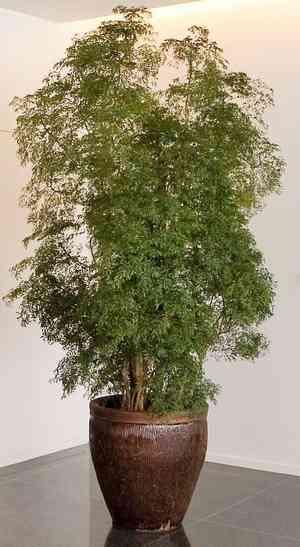
This perennial woody plant is recognized for its thick, intricately divided leaves, frequently grown inside. Successful trimming for ming aralia entails reducing congested limbs and shortening elongated stalks to foster a more compact habit. The optimal time for pruning is in the colder months, when the plant is inactive. It is crucial to employ disinfected implements to avert illness. Pruning not only preserves the plant's aesthetic value but also stimulates robust, energetic development and can deter insect problems.
What Are the Benefits of Pruning Ming Aralia?
What Are the Benefits of Pruning Ming Aralia?
Trimming ming aralia encourages robust development by channeling energy to new shoots, while preserving a compact, appealing form.
What Is the Best Time for Pruning Ming Aralia?
What Is the Best Time for Pruning Ming Aralia?
Winter is considered ideal for pruning ming aralia because the plant is in a dormant growth phase. Trimming during dormancy reduces plant stress and promotes strong springtime growth. Pruning at this time helps establish a desired shape and size without negatively impacting its health. Additionally, since ming aralia is not known for significant flowering or fruiting, winter pruning won't disrupt these cycles. Cooler temperatures and lower disease pressure also mean less risk of pest infestation or infection at the pruning sites.
What Tools Do I Need to Prune Ming Aralia?
Bypass Pruners
Perfect for making precise cuts on the slender branches of ming aralia, bypass pruners cause minimal harm to the plant's delicate stems.
Pruning Shears
Handheld shears are excellent for shaping ming aralia, allowing for exact control over the final look.
Long-Handled Loppers
For reaching into thick growth without harming surrounding foliage, long-handled loppers enable precise trimming of ming aralia's inner branches.
Fine-toothed Pruning Saw
If ming aralia has older or thicker branches needing removal, a fine-toothed pruning saw can make a clean cut without tearing the bark.
Gardening Gloves
To safeguard hands from sharp edges and potential skin irritants when pruning ming aralia, always use sturdy gardening gloves.
Disinfectant
To prevent disease spread when cutting ming aralia, sanitize tools between uses with alcohol or a bleach solution.
How to Prune Ming Aralia
Step1: Assess Plant for Trimming Necessities
Thoroughly inspect ming aralia to identify all parts requiring trimming, such as yellowed leaves, withered branches, and dead foliage. This evaluation should be done carefully to avoid removing healthy growth unnecessarily.
Step2: Sanitize Pruning Tools
Prepare sanitized sharp pruning shears or scissors to prevent disease transmission. Wipe the blades with isopropyl alcohol before and after each use.
Step3: Remove Yellow Leaves at Base
Begin by removing yellow leaves, snipping them off at the base where the leaf stem meets the branch. Be careful not to pull leaves off, as this could damage bark tissue.
Step4: Angle Cut Withered Branches
Trim withered branches by cutting them at a 45-degree angle just above a leaf node or dormant bud using the pruning shears. This angle promotes water runoff and healthy regrowth.
Step5: Clean Cut Dead Foliage
Remove dead foliage by cutting at the base of the affected areas. Ensure cuts are clean and avoid leaving stubs, as these can be entry points for pests and diseases.
Step6: Prune for Shape and Structure
To shape ming aralia, prune back overgrown branches to maintain or refine its structure. Always cut above a leaf node to encourage new growth in the desired direction.
Step7: Dispose of Pruning Debris
After pruning, properly dispose of all removed plant material. Do not compost diseased or infested plant parts as they can spread the problem.
Step8: Post-Pruning Plant Care
Water ming aralia lightly and apply a balanced, slow-release fertilizer to support recovery and new growth after the pruning process.
Step9: Monitor Plant Health Post-Pruning
Monitor ming aralia for signs of stress or disease following pruning and provide appropriate care as needed. Regular checks will help to detect any issues early on.
Post-Pruning Care for Ming Aralia
Post-Pruning Care for Ming Aralia
Immediately after pruning, place ming aralia in a location with bright, indirect light to reduce stress. Maintain high humidity and a stable temperature between 60-85°F. Water sparingly, allowing the soil to slightly dry out between watering sessions. Start a half-strength, balanced fertilizer regimen one month post-pruning to encourage new growth. Regularly inspect for yellowing leaves or wilt as indicators of distress. If symptoms of infection such as black spots or mushy stems appear, isolate ming aralia and apply fungicide promptly.
Common Pruning Mistakes with Ming Aralia
Over-pruning Stunts Plant Growth
Excessive pruning, which can stress ming aralia and hinder its development.
Unsterilized Tools Spread Disease
Pruning without sanitizing tools, increasing the risk of disease transmission.
Damaging Healthy Structure by Improper Pruning
Failing to remove only dead or weak branches, potentially harming the healthy structure of ming aralia.
Harmful Tearing Instead of Clean Cuts
Tearing the stems instead of making clean cuts, which can damage ming aralia's delicate branches.
Excessive Pruning Shocks Plants
Cutting back too severely, which can shock ming aralia and diminish its vigor.
Common Pruning Tips for Ming Aralia
Sharp Shears for Clean Cuts
Always use sharp, clean pruning shears to make smooth cuts and prevent damage to ming aralia's branches.
Regular Removal of Dead Leaves
Regularly removing dead or yellowing leaves will maintain the health and appearance of ming aralia.
Pruning Leggy Stems for Bushier Growth
Cut back leggy stems to encourage bushier growth and maintain ming aralia's ornamental value.
Prune Above Leaf Node for Directional Growth
When shaping the plant, prune just above a leaf node to promote new growth in the desired direction.
Thinning Foliage for Better Air and Light
Thin out dense foliage to increase air circulation and light penetration for the overall health of ming aralia.



