How to Prune Smooth solomon's-seal?
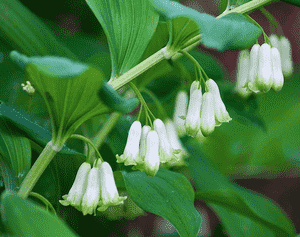
This enduring herbaceous species, distinguished by its elegantly curved stalks and elliptical leaves, thrives in forested habitats. For smooth solomon's-seal, trimming is generally not essential for its well-being; nevertheless, it can be undertaken for aesthetic shaping or to eliminate deceased foliage. The most effective time for pruning is from late winter to early spring, prior to the emergence of new growth. Removing older stems stimulates revitalization and preserves a neat look. Sever them at the base, taking care to avoid harming nascent sprouts. This fosters a vigorous resurgence, potentially boosting the plant's vitality and improving its flowering.
What Are the Benefits of Pruning Smooth Solomon's-seal?
What Are the Benefits of Pruning Smooth Solomon's-seal?
Trimming smooth solomon's-seal promotes robust development and helps maintain a desired form, ensuring the plant remains healthy and visually pleasing while potentially extending its life.
What Is the Best Time for Pruning Smooth Solomon's-seal?
What Is the Best Time for Pruning Smooth Solomon's-seal?
These periods are considered ideal for trimming smooth solomon's-seal because the plant is still inactive, minimizing the risk of stress or harm to its growth cycle. Late winter pruning prepares smooth solomon's-seal for new growth by removing any dead or damaged tissue, which can lead to a healthier plant in the spring. During early spring, before the start of the growing season, any necessary shaping or size reduction can be performed without depleting the plant's energy reserves. Additionally, the absence of leaves allows for a clear view of the plant's structure, making pruning more precise. It also lowers the chance of disease transmission that can occur during wetter times. Furthermore, smooth solomon's-seal has finished its annual growth cycle and is less likely to suffer from sap loss or energy resource depletion that it would need for flowering or fruiting during these times.
What Tools Do I Need to Prune Smooth Solomon's-seal?
Bypass Pruners
Perfect for making clean cuts on smooth solomon's-seal's stems without crushing plant tissue, which is crucial for maintaining plant vitality and encouraging proper development.
Gloves
To safeguard the gardener's hands from scrapes and potential skin irritants while trimming smooth solomon's-seal.
Sharpener
To keep the pruning blades keen, ensuring accurate and clean cuts on smooth solomon's-seal.
Pruning Saw
Useful for removing any larger, woody stems of smooth solomon's-seal if they become too thick for bypass pruners.
Garden Scissors
For precise trimming of smooth solomon's-seal's foliage or to shape the plant during its initial growth phases.
Disinfectant
To sanitize the pruning tools before and after use, in order to prevent the spread of disease among smooth solomon's-seal plants.
How to Prune Smooth Solomon's-seal
Step1: Timing for Pruning
Await the appropriate time of year to trim smooth solomon's-seal, which is late winter or early spring before new growth commences.
Step2: Tool Sterilization
Sanitize your pruning tools with rubbing alcohol or a 10% bleach solution to prevent the spread of disease.
Step3: Hand Protection and Stem Identification
Wear gloves to protect your hands and identify the overgrown stems that require trimming.
Step4: Locating Healthy Buds
Find healthy buds on the overgrown stems. These will be the points from where new growth will emerge.
Step5: Angled Stem Cutting
Cut the overgrown stems at a 45-degree angle, approximately 1/4 inch above a healthy bud, ensuring that the cut is clean and not crushed.
Step6: Shape Maintenance Pruning
Trim the overgrown stems back to maintain the plant's natural shape, avoiding excessive removal of more than one-third of the plant's total growth.
Step7: Removing Damaged Stems
Remove any damaged or diseased portions of overgrown stems as you encounter them, cutting back to healthy tissue.
Step8: Thinning for Air and Light
Thin out crowded areas by selectively removing some of the overgrown stems at their base to improve air circulation and light penetration.
Step9: Post-Pruning Cleanup
After pruning, dispose of the cuttings responsibly to avoid the spread of any potential pests or diseases.
Step10: Tool Maintenance Post-Pruning
Clean your tools again after finishing to maintain them for future use and to prevent the spread of pathogens.
Step11: Plant Care After Pruning
Water smooth solomon's-seal lightly and apply a balanced fertilizer to support recovery and new growth after pruning.
Step12: Monitoring Plant Health
Monitor smooth solomon's-seal for signs of new growth and health improvements, taking additional pruning action in the next season as necessary.
Post-Pruning Care for Smooth Solomon's-seal
Post-Pruning Care for Smooth Solomon's-seal
Immediately after trimming smooth solomon's-seal, ensure clean cuts to prevent infection. Maintain lightly moist soil without waterlogging. Provide dappled sunlight and protect from strong winds. Keep ambient temperatures between 60-70°F and humidity around 60%. Fertilize with a balanced, slow-release fertilizer to aid in recovery. Post-pruning, monitor smooth solomon's-seal regularly for wilting, discoloration, or pests. At signs of distress, adjust care and consult a horticulturist if necessary.
Common Pruning Mistakes with Smooth Solomon's-seal
Avoid Unnecessary Pruning of Healthy Foliage
Trimming healthy foliage unnecessarily, which can stress smooth solomon's-seal and reduce its vigor.
Do Not Damage Plant Crown or Rhizomes
Cutting into the rhizomes or the 'crown' of smooth solomon's-seal, potentially harming the plant's ability to regrow.
Prevent Over-Pruning for Natural Growth
Removing too much of the plant at once, which can hinder the plant's natural shape and growth patterns.
Properly Dispose of Pruned Plant Material
Discarding the trimmed stems improperly, potentially spreading diseases or pests in the garden.
Always Use Sterilized Pruning Tools
Using unsterilized tools for trimming, which can introduce infections to the cut surfaces.
Common Pruning Tips for Smooth Solomon's-seal
Ensure Clean Cuts with Sharp Pruning Shears
Use sharp, clean pruning shears to make clean cuts and prevent damage to the remaining parts of smooth solomon's-seal.
Prune Yellowed or Withered Foliage for Health
Trim any yellowed or withered foliage to direct smooth solomon's-seal's energy towards healthy growth.
Thin Crowded Areas to Boost Air Circulation
Thin out crowded areas by selectively trimming stems at the base to enhance air circulation and reduce the risk of disease.
Trim Flower Stalks Post-Blooming for Tidiness
After flowering, cut back the flower stalks to tidy up the plant and prevent self-seeding if not desired.
Leave Stem Base Intact for Regrowth
When cutting back, leave at least a few inches of stem above ground to ensure smooth solomon's-seal has enough reserves to regrow.



