How to Prune Orange milkwort?
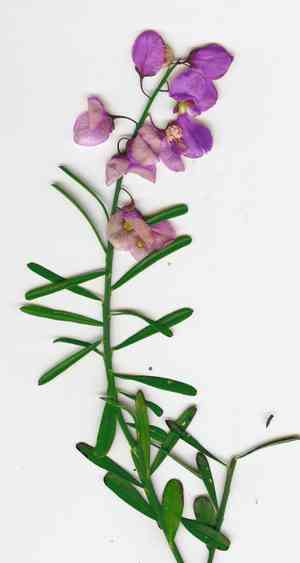
A lively perennial that thrives in moist environments, orange milkwort displays golden, cap-like blossoms that draw in diverse pollinators. Remove any withered or compromised stalks to preserve its well-being and structure, preferably in the spring once fresh shoots emerge. A light trim during the summer months can foster a denser growth habit. Faded flowers may be removed to stimulate additional flowering. Exercise caution to avoid excessive pruning, as this can cause stress to orange milkwort and diminish its bloom production. Consistent trimming boosts the plant's vitality and visual charm, while also managing its expansion within garden spaces.
What Are the Benefits of Pruning Orange Milkwort?
What Are the Benefits of Pruning Orange Milkwort?
Trimming orange milkwort promotes more robust development and helps maintain its compact form. Strategic cuts can encourage fresh growth, resulting in a denser, healthier plant that fits its designated area well.
What Is the Best Time for Pruning Orange Milkwort?
What Is the Best Time for Pruning Orange Milkwort?
Late Spring is an ideal time to prune orange milkwort as it is after the last frost when the plant begins its active growth cycle, allowing for healthy regrowth and minimizing stress. Early Summer pruning aligns with post-flowering when trimming can encourage a second bloom and help in shaping the plant, while avoiding the heat stress of mid-summer. Fall pruning is beneficial for removing dead or diseased growth after the growing season, preparing orange milkwort for winter by reducing the risk of damage and promoting robust health for the following spring.
What Tools Do I Need to Prune Orange Milkwort?
Hand Pruners
Perfect for making clean cuts on orange milkwort's thin, delicate stems, ensuring minimal harm.
Pruning Shears
Excellent for shaping orange milkwort and removing faded flowers or thinning out crowded sections.
Gardening Gloves
Protects hands while handling orange milkwort and prevents irritation from plant sap or scratches from small thorns.
Disinfectant
Used to sanitize tools before and after pruning orange milkwort to prevent the spread of pathogens.
How to Prune Orange Milkwort
Disinfect Tools
Before pruning orange milkwort, sanitize your pruning tools using a solution of 1 part bleach to 9 parts water to prevent the spread of diseases.
Cut Diseased Leaves
Identify and remove any diseased leaves from orange milkwort by making clean cuts at the base of the leaf stem, ensuring you do not damage nearby healthy tissue.
Remove Withered Leaves
Trim off withered leaves using sharp scissors or hand pruners, cutting close to the main stem of orange milkwort to maintain a neat appearance and encourage new growth.
Prune Dead Branches
Carefully cut away dead branches from orange milkwort at their point of origin or back to a main branch, making sure cuts are angled to promote water runoff and prevent decay.
Trim Diseased Branches
If orange milkwort has diseased branches, selectively prune them back to healthy tissue, cutting just above a lateral branch or bud that is facing outwards to encourage proper form and airflow.
Common Pruning Mistakes with Orange Milkwort
Overpruning
Removing too much foliage from orange milkwort can weaken the plant, reducing its ability to photosynthesize and disrupting its natural growth pattern.
Improper Cleanliness
Using dirty or contaminated pruning tools can introduce pests or diseases to orange milkwort, compromising its health.
Neglecting Deadheading
Failing to remove spent flowers can lead to a lack of new blooms as orange milkwort may focus energy on seed production rather than flowering.
Ignoring Plant Shape
Pruning without considering the natural shape of orange milkwort may result in an unnatural appearance and hindered growth.
Pruning Into Old Wood
Cutting into old, non-productive wood of orange milkwort can cause damage as this part of the plant may not readily produce new shoots.
Indiscriminate Cuts
Making cuts without a purpose can stress orange milkwort and may lead to poor growth or disease.
Common Pruning Tips for Orange Milkwort
Sharp Tools
Use sharp, clean pruning shears to make precise cuts on orange milkwort, reducing damage to the plant tissues and promoting quick healing.
Selective Pruning
Prune selectively, targeting only dead or damaged stems and spent flowers to maintain the health and aesthetic appeal of orange milkwort.
Natural Shape
Prune orange milkwort following its natural growth habit to enhance its appearance and decrease the chance of improper growth.
Conservative Approach
Begin with a conservative approach towards pruning orange milkwort, removing only what is necessary; you can always prune more if needed.
After Flowering
Although the best season for pruning is not to be mentioned, ensure that pruning takes place during a time that won't disrupt orange milkwort's blooming cycle.
Careful Deadheading
Deadhead the spent blooms of orange milkwort regularly to stimulate new flower growth and prolong the blooming period.



