How to Prune Oldman's cap?
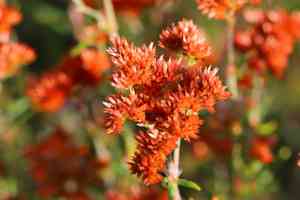
This resilient, versatile perennial, known for its unique cap-like form, greatly benefits from regular trimming. After its blooming period, cut back the plant to stimulate thicker foliage and control its dimensions. The most favorable times for pruning are in spring, summer, or autumn, coinciding with active growth phases. Trimming during these intervals fosters vigorous development and revitalizes the plant. Consistently eliminating withered or compromised stems preserves the plant's vitality and attractive appearance. Such measures guarantee strong health and plentiful blossoms in following years.
Advantages of Trimming oldman's cap
Advantages of Trimming oldman's cap
Trimming oldman's cap promotes robust development and assists in maintaining its desired form. Regular cutting can prevent excessive growth, ensuring oldman's cap remains healthy and visually appealing.
Optimal Period for Trimming oldman's cap
Optimal Period for Trimming oldman's cap
Trimming oldman's cap in Spring is beneficial as it coincides with the start of the active growth phase, fostering strong development and aiding in shaping the plant's structure before new leaves emerge. Early Summer pruning benefits oldman's cap by stimulating a second growth surge and ensuring any thick, earlier spring growth is thinned for improved air circulation and light penetration, vital for the plant's well-being. Furthermore, it allows for the removal of any unwanted or spent blooms from the initial flowering cycle. Late Fall trimming, post-flowering, prepares oldman's cap for dormancy and involves cutting back old growth to maintain neatness and reduce potential for disease or pest overwintering. It is crucial not to prune in late Summer as this can encourage new growth vulnerable to frost damage. These periods offer a balance between encouraging healthy growth, optimal shaping, and readying the plant for seasonal cycles.
Required Tools for Trimming oldman's cap
Hand Pruners
Perfect for making precise cuts on oldman's cap, these are suitable for snipping thin stems and small branches. As oldman's cap is not typically a large plant, hand pruners provide ample control and sharpness for clean cuts without causing undue harm to the plant.
Gardening Shears
These can be utilized for shaping oldman's cap and maintaining a tidy appearance. The blade size on gardening shears is usually ideal for trimming soft stems without applying excessive force, which suits the delicate structure of oldman's cap.
Pruning Saw
While generally not necessary for the small and delicate branches of oldman's cap, a pruning saw might be kept on hand for removing any thicker, woodier stems that may develop. This tool should be used cautiously to avoid harming the smaller, more typical growth of oldman's cap.
How to Trim oldman's cap
Clean tools
Before commencing the trimming of oldman's cap, ensure all pruning tools are clean and sharp to prevent disease spread and to make clean cuts.
Sanitize tools
Disinfect your pruning tools with alcohol or a bleach solution to eliminate any pathogens that might be transferred to oldman's cap during trimming.
Remove withered leaves
Carefully trim away all withered leaves from oldman's cap using either your fingers for small leaves or pruning shears for larger ones. Make the cut close to the leaf's base, without harming the main stem or adjacent healthy leaves.
Dispose
Safely discard the withered leaves of oldman's cap by removing them from the plant's vicinity to prevent potential disease or pest infestation.
Inspect plant
After the withered leaves have been removed, examine oldman's cap to ensure no unhealthy parts remain. If further trimming is needed, follow the same steps focusing on the specific issue.
Common Trimming Errors with oldman's cap
Over-pruning
Removing too much foliage at once can stress oldman's cap, hindering its growth and reducing its vitality. Over-pruning can also make the plant more vulnerable to diseases as it attempts to heal large cuts.
Uneven cuts
Making uneven or jagged cuts can harm oldman's cap, as these can create entry points for pests and diseases, and slow down the healing process.
Using dull tools
Trimming oldman's cap with dull tools can damage the stems, causing unnecessary harm and potentially stunting the plant's growth. Sharp tools make clean cuts that heal quickly.
Neglecting to disinfect
Failing to disinfect pruning tools before use can spread disease from one plant to another. This is particularly problematic if the tools were previously used on a diseased plant.
Ignoring plant shape
Not considering the natural shape of oldman's cap during trimming can result in an unnatural appearance and potentially affect the plant's health by cutting vital growth points.
General Trimming Advice for oldman's cap
Sharp tools
Utilize sharp, clean pruning tools to ensure precise cuts that promote rapid healing and prevent damage to oldman's cap.
Diagonal cuts
Make cuts at a slight angle to prevent water from accumulating on the cut surface, reducing the risk of fungal infections for oldman's cap.
Remove dead material
Regularly remove dead or dying foliage from oldman's cap to redirect the plant's energy into producing new growth and flowers.
Thin out dense areas
Thin out dense areas to improve air circulation, which can help prevent fungal diseases and promote healthy growth in oldman's cap.
Judicious thinning
Perform careful thinning of oldman's cap to maintain an attractive plant shape and encourage the development of flowers without excessive pruning.



