How to Prune German bamboo?
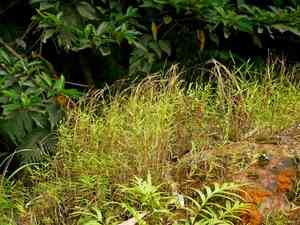
This compact, cluster-forming grass, featuring fine leaves, thrives with appropriate trimming to preserve its form and stimulate more robust development. For german bamboo, perform pruning in early spring or during winter prior to the appearance of new sprouts. Remove any withered or discolored foliage near the base, and reduce the plant's height by as much as one-third to foster new development. Consistent trimming improves its aesthetic value and prevents excessive growth. Refrain from cutting into the root area to safeguard the plant's well-being.
Advantages of Trimming German Bamboo
Advantages of Trimming German Bamboo
Trimming german bamboo promotes robust development and helps maintain its desired form. Consistent cutting encourages a denser, more compact shape, improving its visual appeal and ensuring good health.
Optimal Period for Pruning German Bamboo
Optimal Period for Pruning German Bamboo
Pruning german bamboo in early spring is advisable as this is when the plant emerges from dormancy and begins its growth cycle. This timing allows for the removal of any winter-damaged or diseased foliage, stimulates new growth, and results in a more controlled and desirable shape as the plant becomes more active. Furthermore, pruning in winter, when german bamboo is dormant, is beneficial because it minimizes plant stress. During dormancy, the plant's energy needs are reduced, and it is less vulnerable to pruning injury. This season also offers clearer visibility of the plant's structure due to the absence of leaves, enabling more precise cuts. Avoiding pruning during the flowering period ensures the aesthetic value of german bamboo is preserved and that the plant's energy is not diverted from flower production.
Tools Required for Pruning German Bamboo
Hand Pruners
Given the delicate foliage and slender stems of german bamboo, sharp hand pruners are ideal for making clean, accurate cuts. This tool allows for selective thinning of the plant's dense growth without causing unnecessary structural damage.
Micro-Tip Pruners or Snips
The slender tips of these tools are especially suited for german bamboo's compact growth habit, enabling precise snipping in confined areas without harming adjacent stalks or leaves.
Shears
For shaping the grass-like clumps of german bamboo or uniformly trimming larger sections, sharp shears can be used. These tools facilitate quick, neat trims when the plant becomes overly bushy.
Pruning Saw
While not typically necessary for german bamboo, a small pruning saw may be employed if the plant's base has grown particularly thick and requires the removal of larger, woodier stems.
How to Prune German Bamboo
Clean and Sterilize
Before beginning the pruning process, clean and sterilize the pruning shears with alcohol to prevent the spread of diseases to german bamboo.
Identify
Carefully inspect german bamboo to locate diseased and withered leaves. Look for any discolored, spotted, or dead tissue on leaves indicating disease, and limp or dry texture signifying wilting.
Trim Diseased Leaves
Using the sterilized shears, carefully trim off diseased leaves at their base, where they connect to the stem. Make clean cuts to prevent damage to the healthy parts of german bamboo.
Trim Withered Leaves
Similarly, remove withered leaves by cutting them at the base. This promotes healthy growth and enhances the overall appearance of german bamboo.
Dispose and Clean
Properly dispose of the removed leaves, away from healthy plants to prevent disease spread. Clean the pruning shears again after use to ensure they are ready for the next pruning session.
Common Pruning Errors with German Bamboo
Overpruning
Removing too much foliage at once can stress german bamboo, leading to poor health or even plant death. Inexperienced gardeners often make the mistake of aggressive pruning, which can significantly reduce the plant's ability to photosynthesize and thrive.
Cutting at wrong angles
Incorrect cutting angles can damage the stems of german bamboo and impede the plant's natural growth. Angles that are too steep may create wounds that are difficult to heal, while cuts that are too shallow can lead to water accumulation and potential disease.
Neglecting tool hygiene
Using dirty pruning tools can introduce pathogens to the fresh cuts on german bamboo. This can lead to infections and plant diseases, which are particularly detrimental to the delicate structure of german bamboo.
Ignoring dead or damaged growth
Failing to remove dead or damaged growth can impact the overall health and appearance of german bamboo. Such neglect can also attract pests and diseases and reduce airflow within the plant.
Pruning too close to growth nodes
Cutting too close to the growth nodes can damage the new emerging shoots of german bamboo and compromise future growth, while cutting too far from the node leaves unsightly stubs that can die back and invite disease.
General Pruning Advice for German Bamboo
Judicious pruning
Prune german bamboo only as much as necessary to shape the plant or to remove dead or diseased foliage. Beginners should start with less, as more can always be removed later if needed.
Sharp clean cuts
Ensure the use of sharp, clean tools for pruning german bamboo to guarantee clean cuts that heal quickly. Disinfect tools before use to prevent the spread of disease.
Angled cuts for water runoff
Cut at a slight angle to prevent water from pooling on the cut surface, which could lead to decay and disease in german bamboo. The angle should direct water away from the plant's center.
Regular maintenance pruning
Perform regular maintenance pruning to remove unwanted growth and maintain airflow through the foliage of german bamboo, which can improve the plant's health and appearance without the need for extensive pruning.
Proper cut placement
Make cuts at a moderate distance from the growth nodes, ensuring you do not harm potential new growth but still remove enough stem to prevent die-back and unsightly stubs.



