How to Prune Mayapple?
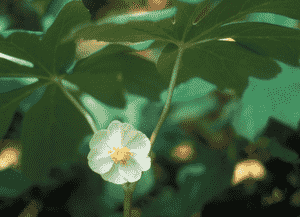
This enduring herbaceous plant, characterized by its umbrella-shaped leaves and a solitary bloom, subsequently yields a fruit. For mayapple, the main objective of trimming is to eliminate impaired or ailing foliage, thereby sustaining the plant's well-being. Pruning ought to be performed with care to safeguard the subsequent year's development, ideally carried out in the initial part of spring or following the fruiting period in late summer. Judicious pruning aids mayapple by hindering the dissemination of ailments and fostering vigorous development.
What Are the Benefits of Pruning Mayapple?
What Are the Benefits of Pruning Mayapple?
Trimming mayapple promotes robust development and maintains its desired form. Regular cutting helps revitalize mayapple's leaves and can lead to a more controlled and visually appealing shape.
What Is the Best Time for Pruning Mayapple?
What Is the Best Time for Pruning Mayapple?
In early spring, mayapple remains inactive, allowing the gardener to shape the plant without causing stress, ensuring it can recover and thrive during the growing season. Pruning while dormant also minimizes disease transmission. Late summer is ideal for cutting back mayapple after it has produced fruit, as this will help maintain the plantâs vitality, prevent overcrowding, and reduce potential for illness. It also prepares mayapple for the next growing season without disrupting the subsequent flowering and fruiting cycle.
What Tools Do I Need to Prune Mayapple?
Hand Pruner
Perfect for cutting and shaping mayapple stems, as this tool offers precision and minimal harm to plant tissues.
Pruning Shears
Suitable for trimming any overgrown leaves or dead foliage, ensuring clean cuts for healthy new growth.
Gloves
Protect the gardener's hands from mayapple's potentially irritating sap during pruning.
Garden Scissors
Useful for snipping off small, delicate parts of mayapple due to their precision and ease of use.
How to Prune Mayapple
Step1: Timing for Pruning Post-Fruiting
Wait for the appropriate time to prune mayapple, which is after it has finished bearing fruit. This typically occurs in late summer or early fall, when the plant naturally begins to yellow and die back.
Step2: Prepare with Gloves and Sterilized Tools
Wear gloves and use sanitized pruning tools. Disinfect with a 10% bleach solution or alcohol to prevent the spread of disease.
Step3: Identify Dead Stems
Identify the dead stems of mayapple, characterized by a dry, brown, and brittle texture. These will not spring back if gently bent and show no signs of green growth.
Step4: Cut Dead Stems at Base
Cut the dead stems at their base where they emerge from the rhizome. Make clean cuts. Avoid tearing or ripping, as this can create open wounds susceptible to disease.
Step5: Check for Disease Symptoms
Examine the mayapple for any signs of disease, such as unusual spots, growths, or discolorations that may indicate fungal or bacterial infections.
Step6: Prune Below Diseased Areas
Prune diseased stems by cutting well below the affected area. If the entire stem is infected, remove it at the base, similar to dead stems.
Step7: Dispose of Pruned Material Safely
Dispose of the dead and diseased material carefully. Do not compost as this could spread disease. Burn it or dispose of it with your household waste if local regulations permit.
Step8: Sterilize Tools Post-Pruning
Clean your pruning tools again after finishing to ensure no pathogens are transferred to other plants or the next time you prune mayapple.
Step9: Assess Plant Health
Monitor the remaining stems and foliage for health and vigor. Reducing the amount of dead and diseased material can improve air circulation and light penetration.
Step10: Care for Plant Post-Pruning
Water and care for mayapple appropriately after pruning. Avoid overhead watering to reduce the risk of disease, and mulch if necessary to maintain consistent moisture.
Post-Pruning Care for Mayapple
Post-Pruning Care for Mayapple
Immediately after pruning mayapple, clean the cuts to promote healing. Place mayapple in dappled light with stable humidity and temperature to reduce stress. Adjust watering to the plant's reduced needs and apply a balanced, slow-release fertilizer to aid in recovery. Monitor mayapple for wilting or discoloration as signs of stress, and inspect cuts for infection, treating with fungicide if necessary. Consistent care ensures mayapple's healthy regrowth.
Common Pruning Mistakes with Mayapple
Excessive Pruning Hinders Photosynthesis
Over-pruning is a frequent error where too much of mayapple's foliage is removed, potentially reducing its energy reserves and impairing its ability to photosynthesize effectively.
Unclean Cuts May Lead to Infections
Pruning mayapple without clean, sharp tools can lead to jagged cuts that may not heal properly, making the plant susceptible to infections and pests.
Pruning Sole Leaf on Young Plants Risks Death
Some gardeners may prune back the only leaf of immature mayapple plants, which is a mistake, as this can significantly damage or even kill young plants that have not yet established a strong root system.
Common Pruning Tips for Mayapple
Disinfect Tools to Prevent Plant Disease Spread
Disinfect pruning tools before and after use to prevent the spread of disease when cutting back mayapple, ensuring cleaner cuts and healthier plants.
Remove Unhealthy Foliage to Boost Plant Growth
Focus on removing yellowing or diseased foliage from mayapple, which helps to redirect the plant's energy towards healthy growth and enhances air circulation.
Make 45-Degree Angle Cuts for Better Healing
When pruning mayapple, make the cuts at a 45-degree angle to promote healing and prevent water accumulation that could lead to rot or fungal infections.



