How to Prune Kentucky bluegrass?
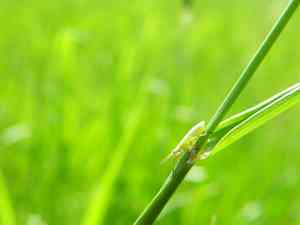
Kentucky bluegrass, a resilient cool-season turf, thrives in moderate environments. Essential trimming (cutting) should preserve a 2-3 inch elevation for peak vitality. Trimming from early spring through late autumn corresponds with its growth patterns. Consistent cutting fosters thickness, reduces undesirable plants, and improves visual appeal. Keen cutting edges avert shredding, which is vital for the delicate structure of kentucky bluegrass. Cut with a regularity that removes no more than one-third of the blade's length during each instance.
What Are the Benefits of Pruning Kentucky Bluegrass?
What Are the Benefits of Pruning Kentucky Bluegrass?
Trimming kentucky bluegrass ensures robust growth and a tidy form, crucial for its visual appeal and vitality. Consistent cutting helps manage its spread, fostering a denser, more resilient turf.
What Is the Best Time for Pruning Kentucky Bluegrass?
What Is the Best Time for Pruning Kentucky Bluegrass?
Early spring pruning is optimal as kentucky bluegrass begins a new growth cycle, which can be stimulated by trimming. Removing dead or damaged blades at this time enhances its health and prepares it for vigorous growth in spring and summer. Late fall pruning coincides with the end of the growing season, when growth slows, and trimming can help eliminate old growth and reduce the risk of disease and pests overwintering. These periods avoid midsummer heat stress, allowing kentucky bluegrass to recover adequately, ensuring lush, healthy growth in subsequent seasons.
What Tools Do I Need to Prune Kentucky Bluegrass?
Lawn Mower
A sharp lawn mower is vital for trimming kentucky bluegrass, as this grass type requires frequent mowing during its active growth period to maintain a healthy lawn at the desired height. Mowing promotes a dense, lush turf by encouraging tillering, making the grass thicker rather than just taller.
Grass Shears
Handheld grass shears can be used for precise trimming around edges where a lawn mower cannot reach. Kentucky bluegrass's tendency to spread can lead it to encroach on garden beds or walkways, and grass shears provide clean, controlled cuts.
String Trimmer
For areas difficult to access with a lawn mower, such as around trees, posts, or along fences, a string trimmer is effective for cutting back kentucky bluegrass. Its flexibility allows for careful pruning without damaging obstacles.
Blade Sharpener
Keeping the blades of mowing and cutting equipment sharp is essential for kentucky bluegrass. Dull blades can tear the grass, creating jagged edges susceptible to disease and pests. Sharp blades ensure a clean cut and a healthier lawn.
Lawn Roller
Though not a cutting tool, a lawn roller can be used after seeding kentucky bluegrass to ensure good seed-to-soil contact. This is not pruning but is an important step for maintaining a well-groomed appearance.
Thatching Rake
Periodically, it may be necessary to remove thatch—the accumulation of dead organic matter—to maintain the health of kentucky bluegrass. A thatching rake assists in dethatching, allowing air, water, and nutrients to reach the soil more effectively.
How to Prune Kentucky Bluegrass
Step1: Health Assessment and Overgrowth Identification
Assess the overall health of kentucky bluegrass before beginning the pruning process. Identify areas that are overgrown or have brown spots.
Step2: Optimal Height Mowing
Mow kentucky bluegrass to an ideal height of 2.5 to 3 inches during its active growth season, typically from spring through early fall. Use a sharp mower blade for a clean cut.
Step3: Gradual Height Reduction for Overgrowth
For overgrown grass, perform gradual mowing over several sessions, reducing the height by no more than one-third of the total grass length at a time to prevent shock to kentucky bluegrass.
Step4: Brown Spot Evaluation and Targeted Trimming
Isolate and evaluate brown spots; if caused by heat stress, water appropriately without pruning. However, if brown spots are due to other reasons, carefully trim only the discolored blades using grass shears.
Step5: Disease Control and Safe Disposal
For diseased sections, use disinfected shears or a mower with a disinfected blade to prevent disease spread. Remove and dispose of these clippings away from healthy kentucky bluegrass.
Step6: Soil Aeration for Regrowth
Aerate the soil if kentucky bluegrass appears compacted to enhance air, water, and nutrient flow, promoting healthier regrowth after pruning.
Step7: Post-Pruning Fertilization
Fertilize kentucky bluegrass after pruning with a balanced fertilizer, according to the specific needs of the species and local soil conditions.
Step8: Moderate Watering after Pruning
Water kentucky bluegrass after pruning to aid recovery, but do so moderately to avoid waterlogging the soil, which can further stress the plant.
Step9: Post-Pruning Monitoring and Care
Monitor kentucky bluegrass after pruning for signs of recovery or new issues. Continue regular care appropriate for the species, such as watering, mowing, and periodic fertilization.
Post-Pruning Care for Kentucky Bluegrass
Post-Pruning Care for Kentucky Bluegrass
Immediately after trimming kentucky bluegrass, water lightly to reduce stress. Ensure kentucky bluegrass receives ample sunlight but shield it from intense midday rays. Maintain consistent temperature and humidity levels to support recovery. Fertilize with a balanced, slow-release formula to replenish nutrients without overwhelming the roots. Regularly inspect kentucky bluegrass for discoloration or wilting, indicating stress or disease; in such cases, adjust care or consult a professional. Track growth patterns, ensuring kentucky bluegrass's vitality is sustained.
Common Pruning Mistakes with Kentucky Bluegrass
Overly Short Cuts Stressing Plants
Cutting too short can stress kentucky bluegrass; mowing too close to the root is a common error. This can weaken the plant and make it more vulnerable to diseases and pests.
Dull Blades Causing Jagged Cuts
Ignoring blade sharpness when trimming kentucky bluegrass can result in jagged cuts, increasing the risk of disease and hindering healthy regrowth.
Improper Pruning Frequency Affecting Growth
Pruning too often or too infrequently can disrupt kentucky bluegrass's growth patterns. Over-pruning can deplete energy reserves, while under-pruning might lead to an unkempt, thick thatch that stifles new growth.
Pruning Without Regard to Growth Phase
Neglecting to adjust pruning practices to the plant's growth phase is another mistake. Kentucky bluegrass may require different pruning approaches depending on whether it is in an establishment, maintenance, or renovation phase.
Ignoring Environmental Stress During Pruning
Overlooking environmental stress factors such as drought or extreme temperatures can lead to poor pruning decisions, as kentucky bluegrass under stress may not recover well from aggressive pruning.
Common Pruning Tips for Kentucky Bluegrass
Sharp Blades for Healthy Pruning
Ensure that the blades of the mower or shears are sharp when trimming kentucky bluegrass to achieve clean cuts that promote healthy regrowth and minimize damage to the grass blades.
Light, Regular Trims for Plant Vigor
Perform light, regular pruning rather than drastic cuts to maintain kentucky bluegrass's vigor and density. This practice encourages the plant to grow laterally and produce a lush, full appearance.
Thatch Management for Better Growth
Monitor thatch accumulation and use vertical cutting techniques or a thatching rake to remove excess thatch. This allows sunlight, water, and nutrients to reach kentucky bluegrass's roots more effectively.
Adjusting Cut Height to Growth Phase
When trimming kentucky bluegrass, adjust the cutting height according to the plant's growth phase. Higher cuts may be beneficial during establishment. During regular maintenance, adhere to the recommended height to promote horizontal growth.
Selective Clipping Removal Enhances Plant Health
Clippings from kentucky bluegrass should be removed if they are long and likely to smother the grass, but leaving short clippings can return nutrients back to the soil and benefit the plant.



