How to Prune Canada bluegrass?
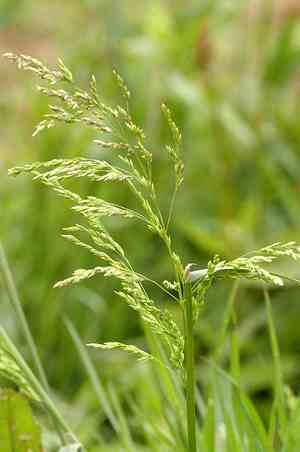
This enduring grass, characterized by its clumped development and bluish-green leaves, thrives in cooler periods. Cut back canada bluegrass in early spring or throughout winter when it is inactive. Remove any withered or compromised leaves to preserve neatness and stimulate fresh development. Regular cutting can also aid in controlling its dimensions and expansion, while division in spring might foster thicker foliage. Consistent trimming guarantees a tidy look and can stop it from spreading into undesirable spots.
What Are the Benefits of Pruning Canada Bluegrass?
What Are the Benefits of Pruning Canada Bluegrass?
Trimming canada bluegrass promotes a strong root system, resulting in robust growth. Cutting back helps maintain a neat form, ensuring canada bluegrass remains compact and visually appealing.
What Is the Best Time for Pruning Canada Bluegrass?
What Is the Best Time for Pruning Canada Bluegrass?
Pruning canada bluegrass in early spring is optimal as it prepares the plant for the vigorous growth that occurs with rising temperatures. Removing dead or damaged leaves at this time ensures the plant receives adequate sunlight and air circulation, vital for its health and strong growth in the upcoming season. Additionally, this timing aligns with the plant's natural growth cycle, stimulating new growth while minimizing stress. Winter pruning is also beneficial since canada bluegrass is dormant then. Pruning in winter can help shape the plant, control its size, and eliminate any growth that might harbor pests or diseases. Performing such pruning when the plant is inactive reduces the risk of encouraging unwanted growth at a time when the plant should be conserving energy for spring.
What Tools Do I Need to Prune Canada Bluegrass?
Manual Grass Shears
For precise shaping and trimming of canada bluegrass, manual grass shears are perfect. They enable gardeners to cut with accuracy, which is crucial for preserving the grass's form and health.
String Trimmer
When dealing with larger areas or for quick touch-ups, a string trimmer can efficiently cut back canada bluegrass. It is especially useful for managing edges where exact cuts are less critical.
Lawn Mower
For an overall trim and to maintain a consistent height, a lawn mower set at the appropriate level is effective for canada bluegrass. This is essential for routine maintenance of canada bluegrass in a lawn setting.
How to Prune Canada Bluegrass
Prepare tools
Sanitize all pruning tools using a solution of one part bleach to nine parts water to prevent disease transmission.
Identify areas
Examine canada bluegrass closely to pinpoint diseased or withered leaves. Look for foliage showing discoloration, spots, or signs of wilting.
Remove diseased leaves
Using sharp, sterilized scissors or shears, carefully snip away diseased leaves at their base without cutting into healthy tissue.
Remove withered leaves
Trim withered leaves in the same manner, making clean cuts to remove dead or dying foliage without harming surrounding healthy leaves.
Dispose trimmed material
Discard all removed material away from healthy canada bluegrass plants or compost if it is free of disease to prevent any potential spread of illness or pests.
Common Pruning Mistakes with Canada Bluegrass
Over-pruning
Removing too much foliage at once can stress canada bluegrass and impede its ability to photosynthesize effectively, leading to poor plant health and reduced vigor.
Improper cutting technique
Cutting canada bluegrass with dull or dirty tools can cause jagged or infected wounds, which are detrimental to the plant and can hinder growth or lead to disease.
Pruning too low
Cutting canada bluegrass too close to the ground may remove too many crown buds, impairing the plant's ability to regrow and diminishing its fullness and shape.
Ignoring plant health
Pruning without first assessing the overall health of canada bluegrass can lead to excessive stress on the plant, especially if it is already weakened by pests, diseases, or environmental conditions.
Common Pruning Tips for Canada Bluegrass
Using clean, sharp tools
Ensure that pruning tools are clean and sharp to make precise cuts that heal quickly, preventing damage and disease in canada bluegrass.
Pruning to improve air circulation
Trim canada bluegrass to maintain an open structure, which promotes air circulation and reduces the risk of fungal diseases that thrive in damp, stagnant conditions.
Watching for rejuvenation needs
Monitor canada bluegrass for signs that it's becoming too dense or that old stems are diminishing its vigor. Prune to rejuvenate the grass by promoting fresh growth from the base.
Preserving plant shape
Carefully prune canada bluegrass so as to maintain its natural shape and appearance, avoiding over-pruning that may alter its aesthetic value and functionality in landscaping.



