How to Prune Silver tussock?
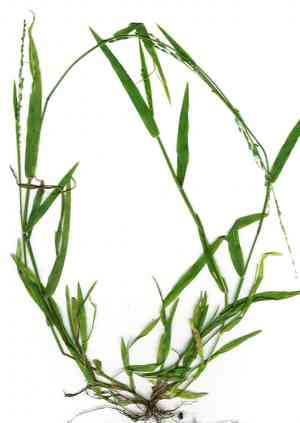
Originating from stony landscapes and recognized for its delicate, silvery-blue leaves, silver tussock flourishes with appropriate care. Trimming should concentrate on eliminating deceased or injured foliage to sustain its well-being and robustness. The ideal period for pruning is in early spring prior to new development or during winter when the plant is inactive. Consistent thinning improves air circulation and light access, refines the plant's form, and stimulates fresh growth. Pruning silver tussock additionally regulates its dimensions and aids in overseeing the visual appeal of the garden.
What Are the Advantages of Trimming Silver Tussock?
What Are the Advantages of Trimming Silver Tussock?
Trimming silver tussock promotes robust development and assists in maintaining its desired form, ensuring a thick and visually appealing tussock.
When Is the Optimal Time for Trimming Silver Tussock?
When Is the Optimal Time for Trimming Silver Tussock?
Trimming silver tussock in early spring coincides with the period just before new growth emerges, ensuring that the cutting does not disrupt the natural growth cycle and potential regrowth. This timing allows the gardener to shape the plant and eliminate any dead or damaged foliage from the winter season without negatively affecting the health of new shoots. Winter pruning is also advantageous when the plant is dormant. Without active growth, any trimming performed at this time will minimize stress on silver tussock, and the plant will readily recover in the subsequent growing season. This is a period before any spring growth and after the blooming phase, avoiding the removal of flower heads that might be crucial for the plant's aesthetic or ecological value.
What Tools Are Necessary to Trim Silver Tussock?
Hand Pruners
Given the grass-like structure of silver tussock, hand pruners are excellent for cutting through the fine foliage. For making precise cuts to remove dead or damaged leaves, a pair of sharp, bypass hand pruners is most effective.
Grass Shears
The clump-forming habit of silver tussock with its dense tufts of grassy leaves means that grass shears are useful for shaping and ensuring even growth. Their long blades allow for cutting larger swaths of silver tussock in one go, which is efficient for seasonal trimming.
Pruning Saw
If silver tussock has matured and formed thick, woody stems at the base, a pruning saw may be necessary. It allows gardeners to cut through tougher material without damaging the plant structure or the tool.
Gardening Gloves
Protecting the hands with gardening gloves is essential when pruning silver tussock to avoid irritation from sharp leaves and provide a better grip on tools.
How to Trim Silver Tussock
Cleaning Tools
Before starting, sterilize your pruning shears with alcohol or a bleach solution to prevent the spread of disease.
Identification
Identify the diseased and withered leaves on silver tussock, looking for any discolored, spotted, or dried out foliage.
Removal Diseased Leaves
Carefully remove diseased leaves by cutting them at the base where they attach to the main clump, ensuring not to damage the healthy surrounding foliage.
Removal Withered Leaves
Similarly, remove withered leaves with clean cuts at the base of each leaf to promote better air circulation and reduce the risk of fungal diseases.
Cleanup
Gather and dispose of all pruned material far from silver tussock to prevent any potential reinfection or attraction of pests.
Common Trimming Errors with Silver Tussock
Over Pruning
Removing too much foliage at once can stress silver tussock, leading to poor growth or even plant death. Aim to remove no more than one-third of the plant in a single pruning session.
Improper Cutting Technique
Using dull tools or making jagged cuts can damage silver tussock's grass blades, causing fraying and increasing the risk of disease.
Pruning Healthy Growth
Cutting away green, healthy growth can hinder silver tussock's ability to photosynthesize efficiently and thrive.
Ignoring Dead Material
Failing to remove dead or dying foliage can lead to rot and pest infestation within silver tussock's dense tussocks, compromising the plant's health.
Common Trimming Advice for Silver Tussock
Sharp Tools
Always use clean, sharp scissors or shears to ensure clean cuts that heal quickly and minimize stress to silver tussock.
Proper Technique
Snip close to the base of the tussock to remove dead foliage, taking care not to pull or tear the grass blades which can damage the plant.
Thinning
Thin out silver tussock's center if it becomes too dense, as this allows light and air to penetrate the tussock, promoting healthy growth.
Post-Pruning Care
Water the plant moderately after pruning to help silver tussock recover from the stress of pruning and encourage new growth.



