How to Prune Texas bluegrass?
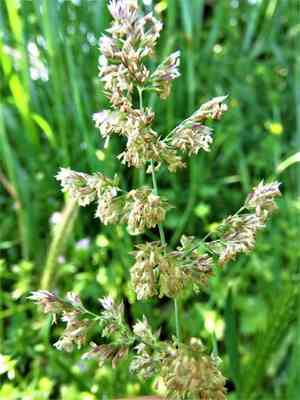
A perennial grass recognized for its delicate foliage and resilience to low temperatures, texas bluegrass flourishes most effectively when trimmed in early spring or throughout the winter period. Consistent trimming aids in preserving its thickness and stimulates robust new development. Removing aged leaves prior to the commencement of the active growing period enhances its well-being and aesthetic appeal, simultaneously averting excessive growth and fostering air movement, thereby diminishing the likelihood of ailments. Optimal trimming entails eliminating old, lifeless matter and thinning congested sections to maximize the plant's vitality.
What Are the Benefits of Pruning Texas Bluegrass?
What Are the Benefits of Pruning Texas Bluegrass?
Trimming texas bluegrass promotes robust development and sustains its desired form. Consistent cutting aids in the efficient distribution of resources for healthy growth.
What Is the Best Time for Pruning Texas Bluegrass?
What Is the Best Time for Pruning Texas Bluegrass?
For texas bluegrass, early spring is optimal for trimming, as it precedes the active growth phase, allowing the plant to recover swiftly and produce new growth effectively. Winter pruning is advantageous because the plant is dormant, reducing stress and minimizing sap loss that could attract pests. This timing helps preserve the plant's vitality and ensures vigorous growth in the subsequent season.
What Tools Do I Need to Prune Texas Bluegrass?
Hand Pruners
Perfect for selectively cutting back the foliage of texas bluegrass to maintain its shape and eliminate any damaged or diseased blades. The precision of hand pruners is vital given the delicate texture of texas bluegrass's leaves.
Grass Shears
Useful for more delicate trimming and shaping of texas bluegrass, especially in smaller or more intricate areas where larger tools are impractical. Grass shears allow for precise control, which helps in preserving the aesthetic quality of texas bluegrass.
Sharpened Scythe or Loopers
Suitable for managing larger areas of texas bluegrass efficiently, particularly when dealing with mature or dense growth. These tools can assist in quickly cutting back the grass at the end of the season or for bulk thinning.
How to Prune Texas Bluegrass
Identify
Pinpoint and assess texas bluegrass's diseased or withered leaves. Carefully examine the plant to recognize leaves exhibiting signs of illness (such as discoloration or spots) and those that are dry and shriveled.
Prepare
Ready the appropriate tools for trimming. Use clean, sharp scissors or pruning shears. Before starting, sanitize the tools with isopropyl alcohol or a similar disinfectant to prevent the spread of any diseases during the pruning process.
Cut
Carefully remove the affected leaves by cutting them at their base where they connect to the stem. For diseased leaves, ensure not to touch other parts of texas bluegrass with the same tool without sterilizing it first to avoid contamination.
Dispose
Properly discard the removed leaves. Diseased or withered foliage should be disposed of away from the garden or compost to prevent any potential spread of disease or pests. Avoid leaving any fallen leaves around texas bluegrass.
Health monitoring
Monitor texas bluegrass's health after pruning. Keep an eye on the development of new foliage, and continue to provide proper care and regular checks for signs of further disease or distress.
Common Pruning Mistakes with Texas Bluegrass
Overpruning
Removing too much foliage from texas bluegrass can significantly weaken the plant. It's crucial to prune no more than one-third of the foliage at a time to avoid stressing the plant.
Incorrect technique
Using dull or unclean tools can damage the grass blades of texas bluegrass, leading to frayed edges that increase susceptibility to diseases. Always use sharp, clean pruning tools.
Inconsistent pruning
Failing to prune texas bluegrass regularly can lead to uneven growth, with some areas becoming overly dense while others remain sparse. Regular, consistent pruning helps maintain shape and promotes healthier growth.
Common Pruning Tips for Texas Bluegrass
Sharp tools
Always use sharp, clean shears or scissors for pruning texas bluegrass. This ensures clean cuts that heal quickly, minimizing the risk of disease.
Thin and shape
Texas bluegrass benefits from thinning out dense clumps. Carefully remove older, center growth to encourage younger, outer shoots to flourish, which promotes ample airflow and light penetration.
Post flowering trimming
After texas bluegrass blooms, a light trim encourages denser foliage and may promote a second flush of growth. This helps maintain an attractive, compact appearance.



