How to Prune Annual bluegrass?
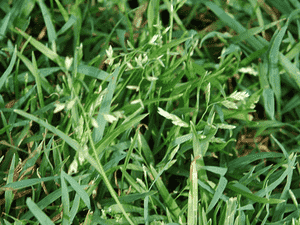
A well-known turfgrass, annual bluegrass necessitates frequent cutting to preserve its turf quality, generally when it attains a height of 60-70 mm. Excessive trimming must be prevented as it diminishes the turf's thickness. The optimal period for trimming extends from early spring to late autumn, aligning with its vigorous growth periods. Consistent cutting benefits annual bluegrass by fostering more compact growth and enhanced resilience to pedestrian activity. The exact mowing height differs based on its intended application; golf greens require shorter heights compared to residential lawns.
What Are the Benefits of Pruning Annual Bluegrass?
What Are the Benefits of Pruning Annual Bluegrass?
Trimming annual bluegrass promotes robust development and maintains a tidy turf look. It boosts plant vitality by eliminating surplus growth and lowering disease occurrence.
What Is the Best Time for Pruning Annual Bluegrass?
What Is the Best Time for Pruning Annual Bluegrass?
During these periods, annual bluegrass undergoes crucial stages of its growth cycle, which are favorable for recuperation and vigor. Pruning in early spring coincides with the plant's emergence from dormancy but precedes its rapid growth phase, enabling it to channel energy into developing healthy new shoots. Late fall, following the growing season, is also appropriate as annual bluegrass has stored energy for winter, and the risk of disease transmission is reduced. These timings avoid peak flowering, ensuring the plant's reproductive cycle remains undisturbed while preserving its health and aesthetic form.
What Tools Do I Need to Prune Annual Bluegrass?
Grass Shears
For accurate trimming and shaping of annual bluegrass, handheld grass shears are perfect. They offer precision and control, essential when cutting the delicate blades of annual bluegrass.
Lawn Mower
To maintain an even height and manage widespread annual bluegrass growth, a lawn mower can be effective, especially for larger areas. Set it to the correct cutting height to prevent harming annual bluegrass while controlling its spread.
String Trimmer
For edging around garden beds and obstacles where annual bluegrass might be growing, a string trimmer is suitable. It allows for maneuverability and access to hard-to-reach areas where precise cuts are needed.
Hand Pruner
If annual bluegrass is clumping in small patches, a hand pruner can be used for spot treatments, allowing for selective cutting without disturbing surrounding plants.
Hedge Shears
If annual bluegrass is being managed as a turf alternative in a decorative setting, hedge shears may be used for leveling large patches of growth in an even and efficient manner.
How to Prune Annual Bluegrass
Step1: Identify Overgrown Grass Clumps
Locate overgrown clumps of annual bluegrass that might be impeding new growth or affecting the turf's visual appeal. These are typically areas where the grass has grown densely and is noticeably taller than the surrounding turf.
Step2: Select Dry Day & Prepare Tools
Choose a dry day for trimming to minimize the risk of disease spread. Ensure all your tools are clean and sharp to make precise cuts and avoid damaging the grass.
Step3: Mow to Uniform Height
Begin with a general mowing of the area to create a consistent height. Set the mower to a high setting to avoid cutting annual bluegrass too short, as this can stress the plant and encourage weed invasions.
Step4: Spot Old, Discolored Grass
Carefully inspect the area for old grass that appears discolored, flattened, or dead. These are older parts of annual bluegrass that need to be removed to encourage healthy growth.
Step5: Trim with Shears or Vertical Mower
Using hand shears or a vertical mower, trim the overgrown clumps by thinning them out. Make sure not to remove more than one-third of the grass blade in a single mowing to prevent shock and maintain plant health.
Step6: Remove Old Grass & Dethatch
Gently remove the old grass by raking or with a grass catcher if using a vertical mower. Raking will also help in dethatching, which can improve air and moisture flow to the roots.
Step7: Light Watering After Pruning
After trimming the overgrown clumps and removing old grass, water the area lightly if the soil is dry. This will help annual bluegrass recover from the pruning process.
Step8: Grass Clippings Disposal or Composting
Dispose of the grass clippings properly or compost them if possible, as they can be a source of nutrients for the soil when decomposed.
Step9: Monitor Growth & Fertilize if Needed
Monitor the trimmed area of annual bluegrass over the next few weeks, keeping an eye on regrowth. If necessary, apply a balanced, slow-release fertilizer to support healthy new growth.
Post-Pruning Care for Annual Bluegrass
Post-Pruning Care for Annual Bluegrass
After trimming annual bluegrass, promptly water to maintain soil moisture, without over-saturating. Ensure the environment is well-lit yet shielded from harsh direct sunlight. Maintain moderate temperature and humidity to prevent stress. A balanced fertilizer can support recovery, but avoid over-fertilization. Monitor annual bluegrass for discoloration, wilt, or slow growth as stress indicators. If signs of distress are noticeable, adjust care and consult a specialist for potential disease management.
Common Pruning Mistakes with Annual Bluegrass
Overpruning Reduces Vitality and Disease Resistance
Excessive pruning can harm annual bluegrass, potentially reducing its vigor and ability to recover. This stress may lead to a weakened plant that is more vulnerable to disease and environmental stressors.
Improper Tool Use Causes Damage and Disease
Using dull or dirty pruning tools can cause jagged cuts and introduce pathogens. Clean, sharp tools are necessary for making precise cuts that annual bluegrass can recover from more readily.
Pruning Without Assessing Plant Health Reduces Density
Trimming without evaluating the plant's health and specific needs can lead to unnecessary removal of healthy grass tufts, potentially reducing annual bluegrass's overall density and vigor.
Ignoring Natural Growth Pattern Affects Appearance and Growth
Disregarding the natural growth pattern of annual bluegrass may result in an unnatural appearance and can hinder its growth. Pruning should be done to maintain the shape without altering it excessively.
Unneeded Individual Blade Pruning Is Inefficient
Trimming every grass blade individually is both unnecessary and time-consuming. As annual bluegrass tends to grow in clumps, focus should be on shaping the clumps collectively rather than individual blades.
Common Pruning Tips for Annual Bluegrass
'Tipping' Encourages Denser Growth and Tidiness
When trimming annual bluegrass, aim to remove only the tips of the grass. This practice, known as 'tipping', helps to encourage denser growth and a tidier appearance without stressing the plant.
Consistent Mowing Height Prevents Scalping and Weeds
Trim annual bluegrass by using a consistent mowing height that is not too low to avoid scalping the lawn, which can expose soil and promote weed invasion, stressing annual bluegrass and possibly leading to its demise.
Clean, Sharp Tools for Quick Healing and Disease Prevention
Regularly clean and sharpen the blades of the mower or pruning tools used on annual bluegrass to ensure clean cuts that heal quickly and minimize the risk of disease transmission.
Using a Grass Catcher Keeps Area Neat and Disease-Free
Use a grass catcher when mowing annual bluegrass to prevent clippings from smothering the plant. This also helps reduce the spread of any potential disease and keeps the area looking neat.
Thinning Dense Clumps Improves Airflow and Health
Thinning out overly dense clumps of annual bluegrass can improve airflow and light penetration, encouraging a healthier growth pattern and preventing disease and pest infestations.



