How to Prune Cape leadwort?
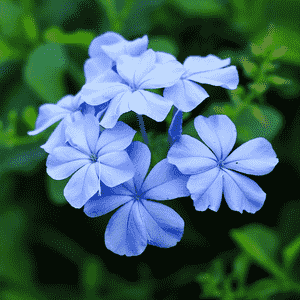
A robust woody plant recognized for its bunches of azure blossoms, Plumbago auriculata flourishes with consistent trimming. Prune following the blooming period to foster a denser form and stimulate additional flowers. Cutting back can be performed at any point, as Plumbago auriculata withstands year-round pruning. For peak outcomes, concentrate on eliminating spent blooms and shaping in the Spring. Routine pruning prevents an elongated appearance, boosts plant vitality, and preserves the preferred dimensions. Employ sanitized, sharp implements to avert the spread of pathogens.
What Are the Benefits of Pruning Cape Leadwort?
What Are the Benefits of Pruning Cape Leadwort?
Trimming cape leadwort promotes more abundant flowering, stimulates robust development, and helps maintain its desired form, ensuring a healthier and visually appealing plant.
What Is the Best Time for Pruning Cape Leadwort?
What Is the Best Time for Pruning Cape Leadwort?
Pruning cape leadwort in late winter to early spring is advantageous because the plant is dormant or just emerging from dormancy, resulting in less strain on the plant. This timing allows for the removal of any winter frost damage and encourages strong new growth as temperatures begin to rise. Furthermore, since cape leadwort blooms on new wood, pruning during this period ensures that the subsequent flowering cycle is not negatively impacted. Routine trimming during the growing season can be performed to maintain shape and encourage a bushier habit, aligning with the idea that cape leadwort can be pruned 'all season'. However, extensive pruning should be avoided in late summer or fall, as new growth might be too delicate to endure winter cold.
What Tools Do I Need to Prune Cape Leadwort?
Hand Pruners
Perfect for cutting slender stems and branches of cape leadwort due to their precise and clean cuts that foster healthy regrowth.
Lopping Shears
Suitable for trimming thicker branches of cape leadwort, offering leverage for larger cuts without harming the plant.
Pruning Saw
Recommended for removing mature or dead wood from cape leadwort if branches are too thick for loppers to manage effectively.
Gloves
Protection is essential to prevent scratches from cape leadwort's branches during pruning.
Garden Sanitizer
Prevents the spread of diseases by disinfecting tools after each cut or when moving to a different cape leadwort plant.
How to Prune Cape Leadwort
Step1: Plant Health Evaluation
Assess the overall health and structure of cape leadwort before starting to prune. Look for any indications of pests, illness, or general plant stress. This will guide which areas require the most attention.
Step2: Tool Sterilization
Sanitize pruning shears or scissors with rubbing alcohol or a 10% bleach solution to prevent disease transmission.
Step3: Dead Branch Removal
Begin by removing any dead or diseased branches. Make clean cuts at a 45-degree angle just above a healthy leaf set or bud, ensuring no stubs are left as these can attract pests and diseases.
Step4: Deadheading Spent Flowers
Identify old flowers that have finished blooming. Snip these off just above the first set of full, healthy leaves below the faded bloom. This deadheading encourages cape leadwort to produce more flowers.
Step5: Weak Stem Pruning
Prune weak stems, which typically appear thin, spindly, and may be underdeveloped. Cut these back to the base or to a strong lateral shoot to encourage the growth of stronger, more vigorous stems.
Step6: Shaping Overgrown Branches
Shape cape leadwort by selectively trimming back overgrown branches to maintain the desired size and form. Make sure to step back frequently to assess the plant's balance and shape as you proceed.
Step7: Thinning Dense Center
Thin out the center of cape leadwort if it is particularly dense, to improve air circulation and light penetration throughout the plant, which helps reduce the risk of disease.
Step8: Post-Pruning Cleanup
After pruning, clear away all trimmings around cape leadwort to minimize disease risk and deter pests. Dispose of any diseased material properly, away from your garden.
Step9: Watering After Pruning
Water cape leadwort thoroughly after pruning to help alleviate plant stress and provide the moisture it needs to recover and produce new growth.
Step10: Growth Monitoring and Fertilization
Monitor cape leadwort over the subsequent weeks for new growth. Lightly fertilize if necessary to supply additional nutrients that will help cape leadwort recover and flourish.
Post-Pruning Care for Cape Leadwort
Post-Pruning Care for Cape Leadwort
Following pruning of cape leadwort, immediately water the plant to alleviate stress. Position it in an area with bright, indirect light. Ensure a warm temperature with moderate humidity to aid recovery. Apply a balanced fertilizer to replenish nutrients. Regularly inspect cape leadwort for discoloration or wilting as indicators of stress. If such signs are observed, adjust care promptly. Maintain a consistent watering schedule and shield cape leadwort from extreme conditions.
Common Pruning Mistakes with Cape Leadwort
Excessive Pruning Stresses Plants
Pruning too aggressively, which can stress cape leadwort and potentially lead to reduced blooming and vigor.
Dull Tools Harm Plants and Invite Pests
Using dull or unsanitized pruning tools, which can damage cape leadwort's branches and lead to disease or pest infestation.
Aimless Pruning Affects Plant Shape and Growth
Pruning without a clear objective, resulting in an uneven shape or the removal of too much healthy growth, which can hinder cape leadwort's natural form and floriferousness.
Common Pruning Tips for Cape Leadwort
Trim Dead Branches for Plant Health and Looks
Regularly remove dead or damaged branches to maintain cape leadwort's health and aesthetic appeal. Make clean cuts close to the base of the affected area.
Prune After Blooming for Better Shape and Flowers
Shape cape leadwort immediately after its blooming cycle, as it flowers on new growth. Trim lightly to encourage a dense, bushy form and ample flowering.
Thin Overcrowded Areas to Boost Growth and Health
Thin out overcrowded areas to increase air circulation and light penetration, which are essential for reducing disease risk and promoting vigorous growth in cape leadwort.



