How to Prune Swedish ivy?
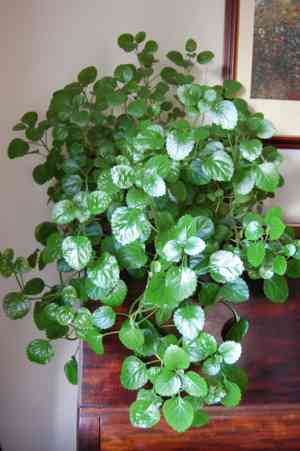
A favored indoor plant, Plectranthus verticillatus is recognized for its cascading habit and abundant leaves. Trim to preserve its form and foster a more compact structure by cutting directly above leaf junctions. The most opportune time for pruning is in early spring, prior to the peak growing period. Consistent trimming helps avert an elongated, sparse look, promoting a more robust and vibrant appearance. Pruning also aids in propagation, as severed sections readily develop roots, contributing to the plant's overall density and revitalization.
What Are the Benefits of Pruning Swedish Ivy?
What Are the Benefits of Pruning Swedish Ivy?
Trimming swedish ivy promotes robust development and maintains its compact, appealing form. Consistent cutting redirects energy to foster a fuller, healthier plant, preventing legginess and enhancing its visual appeal.
What Is the Best Time for Pruning Swedish Ivy?
What Is the Best Time for Pruning Swedish Ivy?
Early spring is considered ideal for pruning swedish ivy as it precedes the plant's active growth period, allowing it to recover from cuts and channel energy into new growth. Spring pruning helps maintain an attractive shape and encourages bushier development. Late fall is also suitable for light trimming after the plant's growth has slowed, ensuring that any pruning stress does not interfere with swedish ivy's growth cycle or blooming season, which typically occurs in warmer months. Pruning during these times supports plant health by removing dead or damaged foliage, which can help prevent pest and disease spread.
What Tools Do I Need to Prune Swedish Ivy?
Hand Pruners
Swedish ivy is a delicate perennial with relatively soft stems. Hand pruners, also known as secateurs, are perfect for making clean cuts on the plant's soft stems. They offer precise control and can easily cut through stems up to 1/2 inch in diameter, which is typical for swedish ivy. Opt for bypass pruners over anvil types to avoid crushing stem tissues.
Sharp Scissors
For thinner or more fragile stems, sharp scissors are appropriate for swedish ivy. They can navigate tight spaces and trim small leaves or stems without harming other parts of the plant. Scissors allow for accuracy when deadheading or shaping swedish ivy.
Pruning Shears
For more mature specimens or thicker stems, a pair of sharp pruning shears is suitable for swedish ivy. They provide greater cutting power than scissors and can manage woody stems if swedish ivy has been allowed to grow untrimmed for an extended period.
How to Prune Swedish Ivy
Step1: Prepare Sterilized Pruning Tools
Ensure you have the correct tools before beginning. Use sharp, clean pruning shears or scissors that can make precise cuts without harming swedish ivy. Disinfect these tools with isopropyl alcohol or a household disinfectant to prevent disease transmission.
Step2: Hydrate Plant Before Pruning
Water swedish ivy the day prior to pruning to minimize stress and ensure it is adequately hydrated. Healthy, well-hydrated plants recover more quickly from trimming.
Step3: Remove Dead Stems First
Begin by removing dead stems first, as they can harbor diseases and pests. Identify dead stems as those that are brown, brittle, and leafless. Snip these stems off at their base where they meet healthy tissue, but avoid cutting into the green, living sections.
Step4: Prune Flowering Stems for Growth
After removing dead material, focus on the flowering stems if swedish ivy is in bloom. These can be pruned to encourage more vegetative growth. Pinch or snip the stem just after a set of leaves or at a natural joint, which will help stimulate new branching.
Step5: Cut Back Spindly Growth
Address leggy growth, which often indicates insufficient light or a need for revitalization. Cut these stems back to one-third of their length to encourage bushiness. Make the cut just above a leaf node where new growth can emerge.
Step6: Thin Out Overcrowded Branches
Thin out any congested areas to improve air circulation and light penetration. Remove some of the inner stems by cutting them off at the base or at a main branch, prioritizing stems that are crossed, rubbing, or damaged.
Step7: Shape Plant Conservatively
Shape swedish ivy to maintain its form and size, but avoid excessive pruning which can stress the plant. Cut just enough to achieve the desired shape, and try to preserve the plant's natural habit.
Step8: Clean Up Pruning Debris
After pruning, clear away any fallen leaves or stems to keep the area around swedish ivy tidy and prevent pests and diseases from settling in the debris.
Step9: Monitor for Post-Pruning Recovery
Observe swedish ivy after pruning for signs of new growth. New shoots should appear where you have made cuts near leaf nodes. If the plant seems stressed or is not recovering, assess light, water, and nutrient requirements to ensure it has what it needs to flourish.
Step10: Fertilize After Pruning If Needed
Finally, consider if and when to fertilize after pruning. A light application of a balanced, water-soluble fertilizer can help swedish ivy recover and support new growth, but this should only be done if the plant is actively growing and not dormant.
Post-Pruning Care for Swedish Ivy
Post-Pruning Care for Swedish Ivy
Immediately after trimming swedish ivy, ensure clean cuts to promote healing. Place the plant in bright, indirect light, maintaining a consistent temperature of 60-75°F and high humidity. Avoid direct sunlight which can stress the pruned areas. Resume fertilization with balanced, water-soluble fertilizer after one week to support growth. Water swedish ivy when soil is dry to the touch, avoiding overwatering. Check regularly for yellowing leaves or rot, indicative of stress or infection. Remove affected areas and adjust care as necessary.
Common Pruning Mistakes with Swedish Ivy
Over-pruning Stresses Plants
Trimming too much at once, which can stress swedish ivy and lead to poor plant health or reduced vigor.
Harmful Use of Dull, Dirty Pruning Tools
Using dull or unclean pruning tools, which can cause damage to the stems of swedish ivy and introduce diseases.
Pruning Without a Clear Goal
Trimming without a specific objective, resulting in an undesirable shape or uneven growth in swedish ivy.
Ignoring Dead or Damaged Foliage Cleanup
Neglecting to remove dead or damaged foliage, which can impede healthy growth and become a haven for pests.
Improper Cutting Technique Near Growth Nodes
Cutting stems too close to the node, which may harm the growth points and slow down the recovery of swedish ivy.
Common Pruning Tips for Swedish Ivy
Employ Sharp, Clean Shears for Healthy Cuts
Use sharp and clean pruning shears to make precise cuts that will heal quickly, reducing stress on swedish ivy.
Strategic Pruning for Shape and Vigor
Trim swedish ivy to maintain its desired shape, encourage bushier growth, and promote healthier, more vigorous plants.
Regular Pinching Back for Fuller Growth
Pinch back the tips of swedish ivy regularly, which helps stimulate branching and results in a lusher plant.
Remove Dead Leaves to Maintain Plant Health
Remove any dead, yellowing, or diseased leaves to keep swedish ivy looking its best and prevent potential spread of illness.
Correct Pruning Above Leaf Nodes
When trimming, make cuts just above a leaf node or a set of leaves to encourage new growth in those areas.
Care for Plants Post-Pruning for Recovery
After pruning, ensure swedish ivy receives adequate care, including proper light, water, and fertilizer, to support new growth.



