How to Prune Oriental arborvitae?
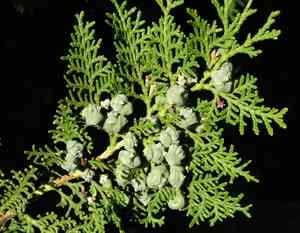
This evergreen conifer, characterized by its scale-like foliage and conical form, thrives with judicious thinning to preserve its fullness and well-being. Perform pruning in late winter prior to the emergence of spring growth. Eliminate any deceased or congested branches, making sure cuts are made directly above a bud to stimulate fresh development. Refrain from extensive cutting into mature wood, as it does not regenerate easily. Trimming improves air movement and light exposure, which are crucial for the plant's robustness and disease prevention.
What Are the Benefits of Pruning Oriental Arborvitae?
What Are the Benefits of Pruning Oriental Arborvitae?
Trimming oriental arborvitae encourages robust development and preserves its desired form. Strategic cutting aids in achieving a dense, visually appealing shape, boosting oriental arborvitae's decorative value and preventing excessive growth that could impair its health.
What Is the Best Time for Pruning Oriental Arborvitae?
What Is the Best Time for Pruning Oriental Arborvitae?
Pruning during late winter or early spring enables oriental arborvitae to recover swiftly, as cuts heal at the start of the growing season, lowering disease and pest risks. This timing also avoids removing new growth, essential for photosynthesis and the plant's energy. Furthermore, the absence of leaves improves visibility for precise pruning, ensuring better shape and structure without disrupting its natural growth.
What Tools Do I Need to Prune Oriental Arborvitae?
Hand Pruners
Perfect for making accurate cuts on small to medium-sized branches of oriental arborvitae. Bypass pruners are preferred over anvil types for cleaner cuts that heal faster, minimizing plant damage.
Loppers
Suitable for cutting thicker branches beyond hand pruners' capacity. Their long handles offer leverage for branches up to 1½-2 inches, useful for shaping oriental arborvitae and reaching dense foliage without harm.
Hedge Shears
Ideal for trimming and shaping oriental arborvitae foliage. They allow even cutting of multiple small branches simultaneously, maintaining the desired form for hedges or topiaries, common for oriental arborvitae.
Pole Pruner
Crucial for reaching higher branches without a ladder. This tool combines a saw and lopper on an extendable pole, making it safer and more convenient for pruning taller oriental arborvitae specimens.
Pruning Saw
Essential for removing larger branches too thick for loppers. A curved-blade pruning saw ensures clean cuts through oriental arborvitae wood, aiding the plant's healing process.
How to Prune Oriental Arborvitae
Step1: Sterilization of Pruning Tools
Sanitize your pruning tools before trimming oriental arborvitae. This prevents disease and pest spread. Clean blades with rubbing alcohol or a diluted bleach solution.
Step2: Identification of Dead Branches
Locate dead branches on oriental arborvitae by checking for lack of green foliage, dryness, brittleness, and possibly peeling bark. Dead branches can be pruned any time of year.
Step3: Precise Cutting of Dead Branches
Execute accurate cuts to remove dead branches. Cut each branch where it meets a healthy branch or the trunk, avoiding damage to the branch collar (the swollen tissue at the branch base). Use clean, sharp bypass pruners or a pruning saw for thicker branches.
Step4: Detection of Diseased Limbs
Inspect oriental arborvitae for any diseased limbs. Symptoms include unusual coloration, cankers, or growths. It's best to prune diseased limbs during dormancy to limit disease spread.
Step5: Removal of Diseased Limbs
Sever diseased limbs by cutting into healthy tissue below the affected area. This helps prevent disease spread to the rest of oriental arborvitae. Dispose of diseased limbs to avoid contaminating compost or other plants.
Step6: Pruning for Improved Air and Light
Assess oriental arborvitae for overgrown foliage that might impede air circulation or light penetration. Prune during the dormant period, late winter to early spring. Maintain oriental arborvitae's natural pyramidal shape.
Step7: Thinning Overgrown Foliage
Reduce overgrown foliage by thinning rather than shearing. Remove selected branches at their origin to enhance light and airflow. Use thinning cuts to open the plant's interior, removing no more than one-third of the foliage per season to maintain health.
Step8: Shape Maintenance and Quality Check
Review your work and the overall form of oriental arborvitae as you proceed. The aim is to preserve a natural look with healthy growth while eliminating unwanted branches.
Step9: Cleanup of Trimmings and Debris
Clear all trimmings and debris from around oriental arborvitae to prevent potential disease or pest problems.
Step10: Post-Pruning Monitoring
Observe oriental arborvitae after pruning for signs of stress or illness and provide appropriate care, such as watering during dry spells and applying mulch to retain soil moisture.
Post-Pruning Care for Oriental Arborvitae
Post-Pruning Care for Oriental Arborvitae
After trimming oriental arborvitae, water it thoroughly right away to lessen stress. Ensure it gets filtered sunlight; too much direct exposure can harm recovering foliage. Maintain consistent humidity and temperature to aid healing. Implement a balanced fertilization plan, using a slow-release formula to support new growth. Watch carefully for wilting leaves or discolored bark, which indicate stress or infection. If these signs appear, adjust care and seek expert advice to prevent further damage.
Common Pruning Mistakes with Oriental Arborvitae
Over-Pruning into Old Wood Hinders Regrowth
Pruning too aggressively can result in sparse or misshapen growth, as oriental arborvitae responds poorly to severe cutting into old wood lacking leaves or needles. This can limit the plant's ability to regenerate.
Blunt Tools Cause Jagged Cuts and Disease Risk
Using dull or unclean tools can harm oriental arborvitae branches, creating ragged cuts that may lead to disease or pest infestation.
Excessive Top Pruning Leads to Sunburn
Removing too much foliage from the top of oriental arborvitae can cause sunburn on branches and the trunk, especially in younger plants with undeveloped bark.
Common Pruning Tips for Oriental Arborvitae
Sharp Shears for Clean Cuts and Quick Healing
Utilize sharp, clean pruning shears to make precise cuts on oriental arborvitae, which promotes rapid healing and reduces disease risk.
Thin Dense Areas for Better Air Circulation
Focus on thinning out crowded areas to enhance air circulation, vital for maintaining oriental arborvitae's health and preventing disease.
Gentle Pruning Maintains Natural Shape
When shaping oriental arborvitae, follow its inherent cone-like form, pruning gently to preserve its symmetry and classic appearance without encouraging excessive new growth that could weaken the plant.



