How to Prune Elkhorn fern?
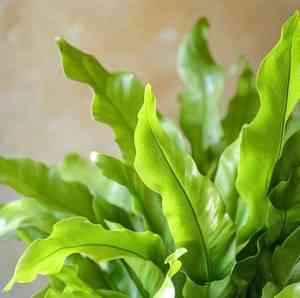
This epiphytic fern is recognized for its striking leaves, which evoke the appearance of antlers. For elkhorn fern, detach withered and discolored fronds from the plant's base, making certain that sharp, disinfected cutting tools are employed to avert illness. Perform pruning in the initial part of spring or the latter portion of winter when development is at its lowest. This targeted removal aids elkhorn fern by channeling vitality to robust fronds and enhancing air movement, which is crucial for general well-being and averting fungal ailments.
Advantages of Trimming Elkhorn Fern
Advantages of Trimming Elkhorn Fern
Trimming elkhorn fern is crucial for promoting robust development and preserving its unique form. Eliminating aged or lifeless fronds encourages fresh, healthier growth and maintains the fern's decorative charm.
Optimal Period for Trimming Elkhorn Fern
Optimal Period for Trimming Elkhorn Fern
Trimming elkhorn fern in late winter and early spring is ideal as it coincides with the start of elkhorn fern's growth cycle when the plant is emerging from dormancy. This timeframe allows for efficient wound healing, supports new growth, and minimizes plant stress. Furthermore, removing old or damaged fronds before the growth spurt ensures elkhorn fern directs its energy towards producing healthy new fronds, thereby enhancing its overall health and aesthetic appeal. It is vital to avoid pruning during the active growth of summer and autumn to not disrupt elkhorn fern's natural development cycle or reduce its capacity for photosynthesis.
Required Tools for Pruning Elkhorn Fern
Sharp Scissors or Snips
For elkhorn fern, which has rather tough leaves, employ sharp scissors or snips to achieve clean cuts without harming the plant's tissues.
Hand Pruners
Perfect for snipping off any old or brown fronds, considering elkhorn fern's dimensions and the density of its foliage.
Gloves
Shield your hands from elkhorn fern's potentially rough or abrasive foliage during pruning.
How to Prune Elkhorn Fern
Step1: Health and Structure Assessment
Evaluate the overall health and structure of elkhorn fern before commencing any pruning to identify which fronds and sections require trimming. Specifically look for dead fronds and old spore patches, which can negatively impact the plant's appearance and vitality.
Step2: Prepare Disinfected Pruning Tools
Ready clean, sharp pruning scissors or a knife to ensure precise cuts and lessen the chance of disease transmission. Sanitize your tools with alcohol or a 10% bleach solution prior to use.
Step3: Debris Cleanup Around Plant
Gently clear away any debris or loose material from around the base and on the fronds of elkhorn fern. This tidying will help pinpoint the fronds that need pruning and safeguard the plantâs health.
Step4: Remove Dead Fronds with Clean Cut
Carefully remove dead fronds by cutting them where they meet the base or the main stem. Do not pull them off, as this can cause damage. A clean cut will help elkhorn fern heal better and prevent infections.
Step5: Prune Old Spore Patches
Trim old spore patches located on the underside of the fertile fronds if they appear unsightly or if you wish to manage the reproduction of elkhorn fern. Cut these patches off close to the frond surface, being careful not to harm any new growth or green areas.
Step6: Shape Remaining Fronds Conservatively
Shape any remaining fronds, if necessary, to maintain the desired aesthetic. With elkhorn fern, be cautious to preserve its natural shape, only pruning to remove damaged areas or to create space for new growth.
Step7: Dispose of Pruning Debris Responsibly
Discard all removed material responsibly to prevent any spread of disease and deter pests.
Step8: Water Plant Post-Pruning
After pruning, water elkhorn fern as you normally would to aid its recovery, but avoid overwatering which can lead to rot in freshly cut areas.
Step9: Monitor Plantâs Post-Pruning Recovery
Observe elkhorn fern for a few weeks after pruning for any indications of stress or disease. Healthy new growth should emerge, signifying that the pruning was successful and that the plant is recuperating well.
Post-Pruning Care for Elkhorn Fern
Post-Pruning Care for Elkhorn Fern
Immediately after pruning elkhorn fern, ensure it's positioned in a bright, indirect light environment with high humidity and a consistent temperature between 60-80°F. Water sparingly, allowing the pruned areas to mend. Resume regular fertilization after 4 weeks with a balanced, diluted solution to encourage growth. Monitor elkhorn fern for wilting, discolored fronds, or signs of infection. If symptoms appear, isolate the plant and consult a horticultural expert for targeted treatment.
Common Pruning Errors with Elkhorn Fern
Avoid Over-Pruning Shield Fronds
Excessively trimming the shield fronds, which are the large, sterile fronds that safeguard the root system and assist in collecting water and nutrients for elkhorn fern.
Do Not Cut Healthy Fertile Fronds
Cutting into the green, healthy sections of elkhorn fern's fertile fronds, the ones that produce spores, which can impede its growth and reproduction.
Wait Before Pruning Old Fronds
Pruning the old fronds too soon, before they have completely browned and dried, which can deprive elkhorn fern of nutrients that it reabsorbs from the aging fronds.
Use Sanitized, Sharp Pruning Tools
Employing unclean or dull pruning tools, which can harm the fronds and introduce pathogens, leading to disease or pests.
Preserve Natural Plant Shape When Pruning
Pruning without considering the natural form of elkhorn fern, which can result in an unbalanced shape and may impact its aesthetic appeal.
Common Pruning Tips for Elkhorn Fern
Use Clean, Sharp Tools for Precise Cuts
Utilize clean, sharp scissors or secateurs to make precise cuts, minimizing damage to elkhorn fern's fronds and reducing the risk of disease.
Remove Only Dead, Brown Fronds
Only remove the brown, dead fronds, especially those at the base of the plant, to maintain a tidy appearance and ensure the health of elkhorn fern.
Sterilize Pruning Tools to Prevent Disease
Sanitize your pruning tools before and after use to prevent the spread of disease between plants.
Trim Damaged or Diseased Fronds Carefully
Carefully trim any damaged or diseased parts of elkhorn fern's fronds to prevent the spread of decay within the plant.
Prune Offset Pups at Proper Size
Prune away any offset pups from elkhorn fern if you wish to control its size or propagate new plants, but only do so when the pups are at least one-third the size of the parent plant for best chances of survival.



