How to Prune American sycamore?
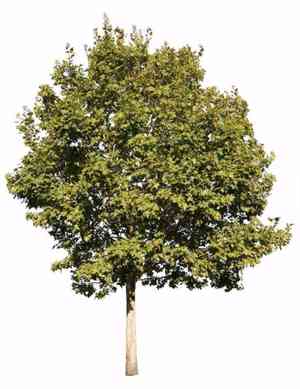
Celebrated for its expansive, maple-shaped foliage and shedding bark, american sycamore needs only slight trimming to preserve its well-being and form. Essential methods involve eliminating deceased or injured limbs and reducing density to boost air movement. The perfect time for pruning is in late winter or early spring to encourage robust development. Particular care must be taken to prevent too many cuts since american sycamore tends to exude sap. Appropriate pruning elevates the plant's impressive presence and wards off illness.
What Are the Benefits of Pruning American Sycamore?
What Are the Benefits of Pruning American Sycamore?
Trimming american sycamore promotes more vigorous growth by eliminating dead or superfluous branches. It also aids in preserving the desired form and framework of the canopy.
What Is the Best Time for Pruning American Sycamore?
What Is the Best Time for Pruning American Sycamore?
During late winter, american sycamore is inactive, which minimizes stress on the tree and lowers the chance of disease transmission via pruning wounds. Early spring is also suitable as it allows cuts to heal quickly before the growing season. Pruning at this time supports robust growth and helps maintain the overall health and structure of american sycamore, avoiding interference with its natural growth cycle and potential flowering or fruiting periods.
What Tools Do I Need to Prune American Sycamore?
Hand Pruners
Ideal for cutting small branches and twigs on young american sycamore trees, ensuring clean cuts for healthy regrowth.
Lopping Shears
Designed for trimming medium-sized branches, perfect for shaping the canopy and removing any diseased or dead wood from american sycamore.
Pruning Saw
Essential for larger branches that hand pruners and lopping shears cannot manage, allowing for precise cuts without harming american sycamore.
Pole Pruner
Allows the gardener to reach higher branches on mature american sycamore without a ladder, enhancing safety and efficiency during pruning.
Chainsaw
Recommended for removing very large branches or sections of american sycamore during major pruning tasks, which should be done with caution and expertise.
How to Prune American Sycamore
Step1: Timing for Dormant Season Pruning
Choose the appropriate time for trimming american sycamore, which is during its dormant period, typically late winter or early spring before new growth starts. This timing helps prevent disease spread and allows wounds to heal before growth resumes.
Step2: Sanitizing Pruning Tools
Before beginning the pruning process, clean and disinfect your tools to prevent disease transmission. Use a solution of 1 part bleach to 9 parts water or isopropyl alcohol to clean your pruners, loppers, or saws.
Step3: Removing Dead Branches
Identify dead wood by looking for branches that lack buds, have dry, peeling bark, or appear brittle. Trim these branches where they meet healthy wood, making a clean, angled cut just above a node or lateral branch.
Step4: Cutting Away Diseased Branches
Inspect american sycamore for diseased branches, indicated by discolored bark, cankers, or unusual growths. Cut these branches 6-12 inches below the diseased area to ensure all infected tissue is removed, making cuts directly above an outward-facing bud or another branch.
Step5: Pruning Suckers
Locate suckers, which are vigorous vertical shoots growing from the roots or lower trunk of american sycamore. Trim suckers close to the base using pruning shears or a saw, depending on their thickness. This helps direct the plant's energy to more desirable branches.
Step6: Correcting Crossing/Rubbing Branches
After removing dead, diseased, and sucker growth, step back and evaluate the shape of american sycamore. Identify any branches that cross or rub against each other, and remove the less healthy or less aesthetically pleasing branch using an angled cut just above a lateral branch or node.
Step7: Thinning for Air and Light
Thin out dense areas to improve air circulation and light penetration. Make selective cuts to remove interior branches, focusing on those that are smaller in diameter and don't contribute to the overall structure of american sycamore.
Step8: Three-Cut Method for Large Branches
When trimming larger branches, use the three-cut method to prevent bark tearing: First, saw a notch on the underside of the branch about 6 inches away from the trunk. Second, make a cut all the way through the branch from the top, about an inch further out from the first cut. Third, remove the stub by cutting just outside the branch collar, the swollen area where the branch meets the trunk.
Step9: Directional Growth Shaping
To shape american sycamore, make cuts to encourage growth in the desired direction. Always cut just above a bud facing the direction you want the branch to grow.
Step10: Post-Pruning Cleanup
After pruning is complete, clean up all removed material from around american sycamore to prevent disease and pests. Sealant is generally not needed on pruning cuts; american sycamore has a natural ability to seal its wounds.
Step11: Post-Pruning Plant Monitoring
Monitor american sycamore after pruning for signs of stress or disease, and ensure it receives adequate water and fertilizer to promote healthy regrowth.
Post-Pruning Care for American Sycamore
Post-Pruning Care for American Sycamore
American sycamore requires ample water to aid recovery. Manage light, avoiding harsh exposure, while ensuring moderate humidity and stable temperature. Apply a balanced fertilizer to replenish nutrients and promote growth. Regularly inspect american sycamore for stress signs, such as wilting or discoloration, and address potential infections with appropriate fungicides. Adequate care ensures vigorous regrowth and health of american sycamore.
Common Pruning Mistakes with American Sycamore
Over-pruning: Shocks Plant System
Trimming too many branches can shock american sycamore's system, leading to poor growth or health issues.
Improper Cuts: Damage to Bark and Collars
Cutting branches flush against the trunk can damage american sycamore's bark and important branch collars, hindering natural healing processes.
Leaving Stubs: Promotes Decay and Pests
Leaving stubs when cutting branches can lead to decay and pest problems as they provide an entry point for pathogens.
Bark Tearing: Increases Disease Susceptibility
Tearing the bark during pruning can open wounds and make american sycamore more susceptible to diseases.
Unsterilized Tools: Risk of Disease Spread
Not sterilizing pruning tools between cuts and different trees could spread diseases to american sycamore.
Dull Tools: Cause Jagged Cuts and Disease
Using dull tools to prune can lead to jagged cuts that are slow to heal and may encourage disease in american sycamore.
Common Pruning Tips for American Sycamore
Clean, Angled Cuts Promote Proper Structure
Make clean cuts at a slight angle about 1/4 inch above a bud that faces the outside of the plant to encourage american sycamore to develop a proper branch structure.
Sharp, Sterile Tools for Precise Cuts
Use sharp and sterile pruning tools to make precise cuts and reduce the risk of transmitting disease to american sycamore.
Remove Diseased Branches for Air Circulation
Identify and remove any diseased, dead, or crossing branches to maintain good air circulation and structural integrity of american sycamore.
Three-Cut Method Prevents Bark Tearing
When removing larger branches, use the three-cut method to prevent bark tearing: first undercut, then make a cut farther out to remove the weight, and finally cut just outside the branch collar to encourage proper healing in american sycamore.
Thin the Top for Light and Air Penetration
Thin out the top of the tree if necessary to allow light and air to penetrate to the lower branches for balanced growth in american sycamore.
Space Pruning Over Seasons for Recovery
Avoid excessive pruning in a single session; it's better to space pruning out over multiple seasons to allow american sycamore to recover and maintain its health.



