How to Prune Sea plantain?
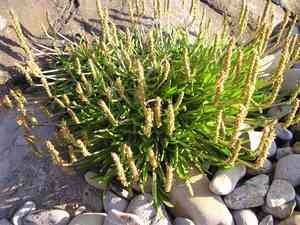
A coastal dweller, sea plantain thrives in saline environments, characterized by slender leaves and spiky flower clusters. Trim sea plantain during late winter or early spring, prior to the emergence of new shoots. Eliminate any withered or compromised leaves to foster robust growth and manage the plant's dimensions. Trimming stimulates strong development and prevents excessive density, which is crucial for preserving air flow and minimizing the likelihood of illness in crowded groupings. Employ sanitized, sharp implements for accurate incisions, guaranteeing rapid recuperation and a vigorous growth phase.
What Are the Benefits of Pruning Sea Plantain?
What Are the Benefits of Pruning Sea Plantain?
Trimming sea plantain promotes robust development by stimulating new shoots, ensuring the plant stays full and strong. It also helps maintain its desired form, supporting a neat and attractive appearance.
What Is the Best Time for Pruning Sea Plantain?
What Is the Best Time for Pruning Sea Plantain?
Pruning in late winter is advantageous for sea plantain as it's a dormant phase before the growing season begins. This timing allows the plant to direct energy towards new growth and recover from pruning stress without using resources on existing, possibly unnecessary, foliage. In early spring, sea plantain can also be pruned to shape it and remove any damaged or diseased sections before active growth starts. This period aligns with sea plantain's natural growth cycle, ensuring quick healing and vigorous, robust future growth. Furthermore, pruning at this time reduces the risk of disease transmission, which is more common in the warm, moist conditions of late spring and summer. It also avoids disrupting the plant's flowering or fruiting stages, which typically occur after spring growth, thereby preserving its reproductive success and visual appeal.
What Tools Do I Need to Prune Sea Plantain?
Bypass Pruners
These pruners are perfect for making clean cuts on sea plantain's leaves and stems without crushing plant tissues. One blade glides past the other, similar to scissors, offering precision and causing minimal harm to the plant.
Snips or Micro-Tip Pruning Snips
Given sea plantain's relatively fine foliage and small stems, snips or micro-tip pruning snips are ideal for detailed work and trimming smaller, delicate areas. This ensures that only the necessary parts of sea plantain are removed during pruning.
Handheld Pruning Shears
Sea plantain may require shaping or the removal of larger foliage areas. Handheld pruning shears are suitable for these tasks and provide a good grip and control for the gardener.
Gloves
To protect hands from any rough edges or sap while pruning sea plantain, a good pair of gardening gloves is essential. They will provide grip and help prevent any potential skin irritation.
How to Prune Sea Plantain
Disinfect tools
Sanitize pruning shears with alcohol or a bleach solution to prevent the spread of disease during trimming.
Identify
Examine sea plantain closely to locate and differentiate diseased or withered leaves from healthy foliage.
Trim diseased leaves
Carefully cut diseased leaves at the base where they meet the stem, without damaging the healthy parts of sea plantain.
Trim withered leaves
Remove withered leaves by snipping them off at the base in a similar manner to ensure sea plantain directs its energy to new growth.
Clean up
Dispose of the removed foliage away from sea plantain to prevent any potential spread of disease and to maintain garden hygiene.
Common Pruning Mistakes with Sea Plantain
Overpruning
Removing too much foliage can stress sea plantain, leading to poor growth or reducing its vigor.
Improper cutting technique
Incorrect cuts can lead to damage, creating entry points for pests and diseases. Use clean, sharp tools for a clean cut.
Pruning healthy tissue
Unnecessary removal of healthy leaves and plant parts can inhibit sea plantain's photosynthesis and reduce its ability to thrive.
Ignoring diseased material
Failing to remove diseased or dead tissue can contribute to the spread of infections in sea plantain.
Pruning during growth periods
Pruning while sea plantain is actively growing can interrupt its natural growth cycle and may lead to weakened plants.
Common Pruning Tips for Sea Plantain
Selective pruning
Focus on removing only the dead, damaged, or diseased leaves and flower stalks to maintain sea plantain's health without over-pruning.
Clean tools
Always use sterilized pruning tools to prevent spreading pathogens to sea plantain.
Pruning angle
Make cuts at an angle, just above a leaf node, to encourage water runoff and prevent disease in sea plantain.
Aesthetic shaping
Trim sea plantain lightly if needed to maintain a desired shape, but avoid excessive cutting back.
Post-pruning care
After pruning, ensure sea plantain receives adequate water and nutrients to support healthy regrowth.



