How to Prune Water elm?
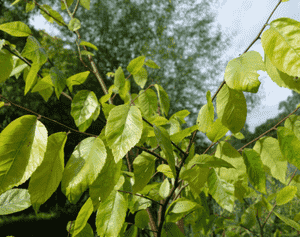
A prominent characteristic of water elm is its unique development in saturated environments. Properly trim water elm during late winter or early spring, prior to the emergence of new shoots. Essential methods involve excising dead or ailing limbs and reducing dense sections to facilitate light access and air movement. Trimming not only preserves its form but also boosts vigor by warding off illness. Select sterile, keen implements to execute accurate incisions, safeguarding the well-being and visual charm of water elm.
What Are the Benefits of Pruning Water Elm?
What Are the Benefits of Pruning Water Elm?
Trimming water elm encourages robust development and helps maintain its desired form. Regular cutting removes crowded limbs, allowing light and air to reach the inner leaves, which is vital for the health and appearance of water elm.
What Is the Best Time for Pruning Water Elm?
What Is the Best Time for Pruning Water Elm?
Late winter and early spring are ideal for pruning water elm as these periods occur just before the plant's active growth phase begins. Pruning in late winter, while the plant is still dormant, reduces stress and enables water elm to recover faster without expending energy on leaves or flowers. This timing also prevents cut surfaces from being exposed to harsh winter conditions that could worsen wounds or introduce diseases. Early spring pruning ensures that any damaged or diseased branches are removed before new growth starts, which helps direct water elm's energy toward producing healthy new growth and maintaining its overall health and structure.
What Tools Do I Need to Prune Water Elm?
Hand Pruners
Perfect for making precise cuts on smaller branches of water elm, typically those under 1/2 inch in diameter. They facilitate clean cuts that encourage healthy regrowth.
Loppers
Most suitable for cutting thicker branches, up to 2 inches in diameter. Their extended handles provide leverage for clean cuts without harming the main stem of water elm.
Pruning Saw
Essential for cutting branches exceeding 2 inches in diameter. The saw enables cutting larger branches that hand pruners or loppers cannot manage, ensuring clean cuts through thick wood without causing undue stress to water elm.
How to Prune Water Elm
Identify
Locate and mark dead or diseased branches on water elm. Examine the overall structure and pinpoint any branches that appear discolored, brittle, or show signs of infection. Use a bright ribbon or marking paint to indicate these for removal.
Sanitize
Disinfect your pruning tools to prevent the spread of diseases. Before you start cutting, clean your shears or saws with a solution of 1 part bleach to 9 parts water. Rinse with clean water and dry thoroughly to prevent corrosion.
Cut
Remove dead and diseased branches at their point of origin or back to a healthy lateral branch. Make sharp, clean cuts with sanitized pruning shears or a saw, depending on the branch's thickness. Ensure cuts are angled to promote water run-off, which helps prevent disease.
Disposal
Properly discard the removed branches. Do not leave them near water elm, as they could harbor pests or diseases that might infect healthy parts of the plant. Place them in yard waste bags or burn them if local regulations allow.
Inspect complete
Conduct a final inspection to confirm all problematic branches have been removed and that water elm's overall shape is balanced and natural. Check for any additional signs of stress or disease, and adjust your care routine accordingly.
Common Pruning Mistakes with Water Elm
Over pruning
A common error is removing too much foliage at once, which can stress water elm, diminishing its overall health and resilience.
Improper cut locations
Making cuts too close to the trunk or too far from the bud can lead to poor healing and susceptibility to diseases.
Using dull tools
Employing blunt pruning tools can result in jagged cuts that harm water elm and increase the risk of infection.
Neglecting diseased branches
Failing to promptly remove diseased or damaged branches can allow infections to spread, negatively impacting water elm's health.
Common Pruning Tips for Water Elm
Sharp clean tools
Always use sharp, clean pruning shears or saws. This ensures clean cuts that heal quickly, minimizing stress and infection risks.
Strategic thinning
Water elm benefits from thinning the canopy to allow light and air to penetrate, encouraging healthy growth. Focus on removing only the most necessary branches to maintain structural integrity.
Pruning angle
Cut at a 45-degree angle about 1/4 inch above an outward-facing bud, to promote outward growth and prevent water damage to the bud.
Health first
Prioritize removing dead, damaged, or diseased branches to maintain water elm's health. This helps prevent the spread of decay and supports overall tree vitality.



