How to Prune Kōhūhū?
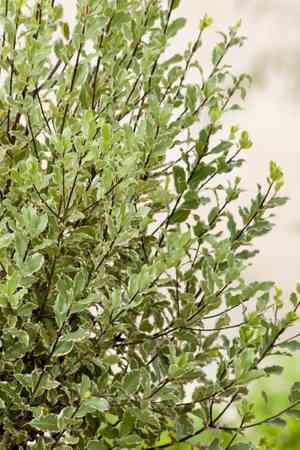
Originating from New Zealand, kÅhÅ«hÅ« is a perennial woody plant featuring appealing leaves and aromatic blossoms. Trim to preserve its form, eliminate deceased or intersecting limbs, and foster thick development. The optimal period for trimming is during winter, following its blooming phase. Gentle snipping can stimulate a more compact habit. Cutting back this variety can also revitalize aged examples through severe reduction, though this practice should be infrequent. The advantages of pruning kÅhÅ«hÅ« encompass boosted plant well-being, refined aesthetics, and superior air movement.
What Are the Benefits of Pruning KÅhÅ«hÅ«?
What Are the Benefits of Pruning KÅhÅ«hÅ«?
Trimming kÅhÅ«hÅ« promotes robust development by eliminating dead or overgrown limbs, enhancing light penetration and air circulation. It also preserves the desired form, boosting kÅhÅ«hÅ«'s visual appeal.
What Is the Best Time for Pruning KÅhÅ«hÅ«?
What Is the Best Time for Pruning KÅhÅ«hÅ«?
Trimming kÅhÅ«hÅ« from late winter to early spring is advised as it coincides with the plant's dormant period, preventing stress during active growth. This timing avoids sap loss, which is greater in warmer months, and lowers the risk of disease entering through cuts. Additionally, it allows for the removal of frost damage and encourages strong regrowth as temperatures rise. Pruning before spring growth ensures kÅhÅ«hÅ«'s natural shape is kept, and flowering is unaffected, as kÅhÅ«hÅ« typically blooms on new growth. By following this schedule, gardeners can ensure optimal plant health and aesthetic quality.
What Tools Do I Need to Prune KÅhÅ«hÅ«?
Hand Pruners
Ideal for making clean cuts on kÅhÅ«hÅ«'s smaller branches and stems during shaping and routine maintenance.
Loppers
Perfect for reaching into kÅhÅ«hÅ«'s denser foliage to trim thicker branches that hand pruners cannot manage.
Pruning Saws
Essential for cutting kÅhÅ«hÅ«'s branches that are too thick for hand pruners and loppers, ensuring a healthy cut without harming the plant.
Hedge Shears
Useful for shaping kÅhÅ«hÅ« into hedges or specific forms, allowing for even and precise cuts over large areas.
Gloves
Protect hands when trimming kÅhÅ«hÅ«, preventing irritation from plant sap and minor injuries.
How to Prune KÅhÅ«hÅ«
Identify
Examine kÅhÅ«hÅ« to locate dead or diseased branches. Look for limbs that are visibly damaged, discolored, or showing signs of decay.
Sanitize
Ensure all pruning tools are clean and sterilized to prevent disease spread. Use a bleach or alcohol solution to disinfect cutting instruments before and after use.
Cut
Use sharp pruning shears or a saw to cleanly remove dead or diseased branches. Make the cut at a slight angle, just above a healthy bud or branch junction. This angle helps prevent water from pooling on the cut surface, reducing rot risk.
Dispose
Remove the pruned dead or diseased branches from the area to prevent pest or disease spread. Properly dispose of the material, ideally by burning or through council green waste services that can handle potentially infected plant material.
Inspect And Protect
After pruning, inspect the cut surfaces and kÅhÅ«hÅ« for any signs of remaining disease or damage. If needed, apply a wound sealant or fungicide to protect kÅhÅ«hÅ« from further infection.
Common Pruning Mistakes with KÅhÅ«hÅ«
Over-Pruning
Removing too much foliage or too many branches at once can shock kÅhÅ«hÅ«, leading to weakened growth or even plant death.
Improper Cuts
Incorrect cutting techniques can cause damage to kÅhÅ«hÅ«'s branches, making them susceptible to disease or pests.
Neglecting Tool Hygiene
Using dirty tools can introduce pathogens to kÅhÅ«hÅ« and spread diseases across the garden.
Pruning During Active Growth
Trimming kÅhÅ«hÅ« when it's actively growing can interfere with its natural growth cycle and reduce its vitality.
Ignoring Branch Structure
Cutting without considering kÅhÅ«hÅ«'s natural shape can result in unsightly growth and a weakened structure.
Flush Cutting
Making pruning cuts flush with the main stem or trunk can damage kÅhÅ«hÅ«'s bark and impede the healing process.
Common Pruning Tips for KÅhÅ«hÅ«
Selective Thinning
Remove specific branches to increase light and air flow, which helps maintain kÅhÅ«hÅ«'s health and shape without stimulating excessive new growth.
Angled Cuts
Make pruning cuts at a slight angle away from the bud to prevent water accumulation and promote proper healing in kÅhÅ«hÅ«.
Clean Tools
Always use sharp, clean pruning tools to make precise cuts and reduce the risk of disease transmission in kÅhÅ«hÅ«.
Step Back And Observe
Regularly step back to assess kÅhÅ«hÅ«'s overall form as you prune to avoid over-trimming and maintain its natural shape.
Follow Branch Collars
When removing larger branches from kÅhÅ«hÅ«, cut just outside the branch collar â the swelling where the branch meets the trunk â to promote faster healing.
Dead And Damaged Wood Removal
Prioritize removing dead or damaged branches to improve kÅhÅ«hÅ«'s overall health, encourage new growth, and maintain a tidy appearance.



