How to Prune Florida fishpoison tree?
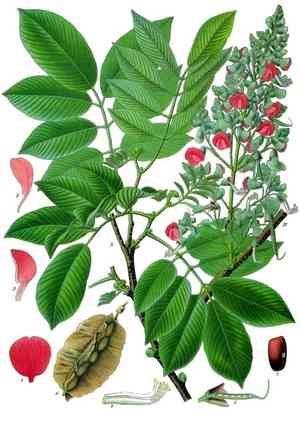
To care for florida fishpoison tree, the best time for pruning is in early spring or late winter, while the plant is inactive and before new shoots emerge. Eliminate any dead or infected wood, and reduce crowded branches to enhance air movement and light exposure, which improves general well-being. You can also elevate lower branches if preferred. Consistent shaping isn't required but can encourage a more organized development. Always employ sanitized, sharp implements to lessen trauma and aid quick recovery.
What Are the Benefits of Pruning Florida Fishpoison Tree?
What Are the Benefits of Pruning Florida Fishpoison Tree?
Trimming florida fishpoison tree promotes robust development and helps maintain its desired form. This process results in a healthier, more attractive tree by eliminating dead or overgrown limbs, which also enhances air circulation and sun exposure, crucial for florida fishpoison tree's vitality.
What Is the Best Time for Pruning Florida Fishpoison Tree?
What Is the Best Time for Pruning Florida Fishpoison Tree?
Late winter and early spring are considered optimal for trimming florida fishpoison tree, as these periods coincide with the plant's dormant phase. Pruning during dormancy minimizes stress on florida fishpoison tree and lowers the risk of disease or pest issues common in warmer conditions. Furthermore, it strengthens florida fishpoison tree's structure before the typical spring growth surge. Removing dead or damaged branches at this time allows the plant to allocate energy to new growth and blooms during its active season.
What Tools Do I Need to Prune Florida Fishpoison Tree?
Hand Pruners
Hand pruners, also known as secateurs, are perfect for cutting slender branches and twigs on florida fishpoison tree. Since florida fishpoison tree may have smaller branches needing precise cuts, a sharp pair of bypass pruners ensures clean cuts without harming the plant.
Loppers
For slightly thicker branches, typically up to 2 inches in diameter, loppers offer the necessary leverage and reach. Long-handled loppers will ensure clean cuts on florida fishpoison tree without causing strain to the gardener.
Pruning Saws
If florida fishpoison tree has mature branches too thick for hand pruners or loppers, a pruning saw is essential. It's designed to cut through thick branches with less effort, resulting in a smooth cut that encourages quicker healing.
Pole Pruners
For higher branches on florida fishpoison tree, pole pruners, or pole saws, enable cutting from the ground. This is crucial for reaching into the canopy without needing a ladder, which can be hazardous.
How to Prune Florida Fishpoison Tree
Clean tools
Before trimming florida fishpoison tree, ensure all pruning tools are clean and sharp to prevent disease spread and make precise cuts.
Inspect
Carefully examine florida fishpoison tree to identify all dead and diseased branches that need removal.
Cut dead branches
Using appropriate tools, cut dead branches just above a bud or branch junction, ensuring cuts are angled away from the bud to prevent water accumulation.
Remove diseased branches
Trim diseased branches by cutting well below the affected area, making sure to remove all diseased tissue to prevent further infection of florida fishpoison tree.
Disinfect
After removing dead or diseased branches, disinfect all tools used to prevent the spread of pathogens to healthy parts of florida fishpoison tree or other plants.
Common Pruning Mistakes with Florida Fishpoison Tree
Over-pruning
Cutting back too much of florida fishpoison tree's foliage at once can stress the plant, hinder growth, and reduce its ability to flower the following season.
Improper cuts
Making jagged or torn cuts can damage florida fishpoison tree's bark and branches, leaving the plant vulnerable to diseases and pests.
Pruning healthy growth
Removing too many healthy branches may limit florida fishpoison tree's growth potential and diminish its natural shape and beauty.
Tool misuse
Using dull or dirty pruning tools can prevent clean cuts, potentially harming florida fishpoison tree and introducing harmful pathogens to the wounds.
Ignoring diseased limbs
Failing to prioritize the removal of dead or diseased branches can allow infections to spread throughout florida fishpoison tree, weakening the plant's overall health.
Flush cutting
Making flush cuts against the trunk can remove vital collar tissue and delay the wound-healing process for florida fishpoison tree.
Common Pruning Tips for Florida Fishpoison Tree
Clean tools
Ensure all pruning tools are sharp and sterilized before cutting to promote clean cuts and minimize the risk of disease spread in florida fishpoison tree.
Selective pruning
Focus on removing only the branches that are dead, diseased, or crossing over others, to improve air circulation and light penetration throughout florida fishpoison tree.
Angle cuts
Make angled cuts just above a bud or branching point to encourage proper water runoff and prevent water accumulation on the wound, which could lead to rot in florida fishpoison tree.
Gradual pruning
Prune gradually over time rather than all at once to avoid shocking florida fishpoison tree and to observe how the plant responds to each pruning session.
Follow natural shape
Aim to maintain florida fishpoison tree's natural form by observing its growth pattern and pruning accordingly, which will foster a stronger, more aesthetically pleasing structure.
Protect cut areas
Consider applying a pruning sealant or wound paint to large cuts to help protect florida fishpoison tree from infection and promote faster healing.



