How to Prune Black pepper?
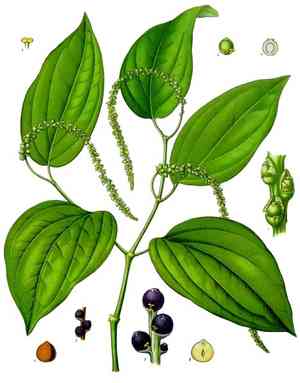
A tropical climbing plant valued for its berries, black pepper necessitates consistent trimming to enhance output and sustain plant well-being. Essential methods involve reducing crowded leaves and eliminating lifeless or ailing stalks. The most effective time for pruning is from late winter to early spring, fostering fresh development as the plant emerges from its dormant phase. Particular advantages of pruning encompass better air movement, increased light exposure, and protection against ailments, all crucial for black pepper's strong harvest.
What Are the Benefits of Pruning Black Pepper?
What Are the Benefits of Pruning Black Pepper?
Trimming black pepper encourages robust development, leading to increased pepper output. It also assists in maintaining its desired form, fostering efficient light exposure and air movement, which is vital for healthy growth and yield.
What Is the Best Time for Pruning Black Pepper?
What Is the Best Time for Pruning Black Pepper?
The optimal period to prune black pepper is during late winter and early spring, prior to the commencement of its new growth cycle. This timing is ideal for several reasons. In late winter, the plant is typically in a dormant state, which minimizes the stress on the plant when its metabolic activity is lower. Furthermore, pruning black pepper before the spring growth surge ensures that the plant's energy is directed towards producing fresh, healthy growth instead of sustaining older, potentially unproductive or diseased branches. Additionally, this timing allows pruning wounds to heal rapidly with the burst of spring growth, decreasing vulnerability to diseases and pests. Another crucial factor is that pruning before the flowering and fruiting season prevents a negative impact on the yield. Overall, trimming black pepper during these recommended seasons promotes vigorous growth and enhances the potential for a better harvest.
What Tools Do I Need to Prune Black Pepper?
Sharp Bypass Pruners
Perfect for making clean cuts on black pepper's stems without crushing plant tissue, which can promote healthier growth after pruning.
Pruning Saw
Useful for cutting through thicker stems or branches of black pepper that cannot be managed with bypass pruners.
Long-Handled Loppers
Allows the gardener to reach higher stems and provides the leverage needed for thicker branches of black pepper, ensuring precise cuts without harming the vine.
Gloves
Protects the gardener's hands from black pepper's rough stems and potential skin irritants.
Disinfectant
Important for cleaning tools before and after use to prevent the spread of disease in black pepper.
How to Prune Black Pepper
Sterilize Tools
Before starting the pruning process, ensure all cutting tools are thoroughly sterilized to prevent the spread of disease to black pepper. Use a bleach solution or rubbing alcohol to clean the blades.
Identify
Carefully inspect black pepper to locate diseased and withered leaves. Signs of disease may include unusual spots, discolored leaves, or powdery substances on the leaf surface.
Remove Diseased Leaves
Using your sterilized pruning shears, carefully trim off the diseased leaves from black pepper, making sure to cut at the base of the leaf stem to prevent stubs that could harbor pests or diseases.
Remove Withered Leaves
Similarly, identify and remove any withered or dead leaves from black pepper to improve air circulation and overall plant health. Make sure to trim these leaves close to the stem to promote healing and regrowth.
Dispose
Properly dispose of all removed diseased and withered leaves. Do not compost them as they may contain pathogens that can infect the compost pile. Seal them in a plastic bag and throw them in the trash to avoid spreading any potential diseases.
Common Pruning Mistakes with Black Pepper
Over-Pruning
Removing too much foliage from black pepper at once can stress the plant, leading to reduced vigor and lower yield. It's essential to prune only what's necessary to shape the plant and remove diseased or dead material.
Improper Cut Placement
Making cuts too far from a node on black pepper branches can leave stubs that take longer to heal and may encourage disease. Conversely, cutting too close can damage the growth nodes.
Ignoring Disease Prevention
Not sterilizing pruning tools before use on black pepper can spread diseases from infected plants to healthy ones. It's critical to clean tools before and after pruning each plant.
Neglecting Plant Structure
Randomly cutting black pepper without understanding its growth pattern can lead to an imbalanced structure and open wounds that may attract pests or lead to disease.
Pruning Healthy Growth
Removing healthy growth along with the non-productive or diseased branches. Pruning should focus on encouraging the growth of fruit-bearing stems while maintaining the overall health of black pepper.
Common Pruning Tips for Black Pepper
Selective Pruning
Target the removal of non-productive or overgrown branches, dead or diseased leaves, and stems to promote better air circulation and sunlight penetration which are crucial for the health of black pepper.
Cutting Technique
Make clean, angled cuts just above the nodes on black pepper to encourage new growth. The angle should direct water away from the bud, reducing the risk of rot or disease.
Balancing The Vine
Aim to maintain a balance between vegetative growth and fruiting branches to ensure optimal yield. Remove excess vegetative shoots that do not contribute to fruit production.
Support Structure
Since black pepper is a climbing plant, regular pruning should include the management of its support structure. Remove any growth that is not well-supported or that could lead to overcrowding.
Thinning Crowded Areas
Thin out areas where the vegetation is overly dense on black pepper to increase airflow and light penetration, reducing the likelihood of disease and encouraging the development of healthy fruiting bodies.



