How to Prune Virginia pine?
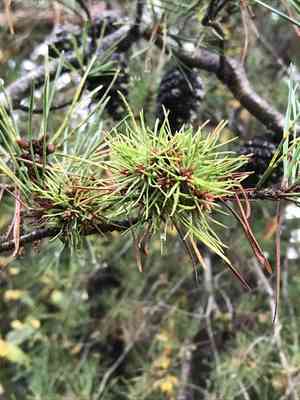
Renowned for its hardiness and versatility, virginia pine flourishes in infertile ground where other species might struggle. For this particular variety, trimming ought to concentrate on excising deceased, ailing, or rivalrous limbs to preserve its vigor and structure. The most suitable time for pruning is throughout its winter resting phase to lessen sap leakage and strain. Advantages encompass better air movement and sunlight access, fostering development. Uniquely for virginia pine, pruning aids in managing its typically thick and occasionally uneven crown, which can encourage a more pleasing silhouette.
What Are the Benefits of Pruning Virginia Pine?
What Are the Benefits of Pruning Virginia Pine?
Trimming virginia pine promotes robust development and maintains its desired shape. By eliminating dead or overgrown limbs, air circulation improves, lowering disease risk and fostering a strong framework.
What Is the Best Time for Pruning Virginia Pine?
What Is the Best Time for Pruning Virginia Pine?
Pruning virginia pine in late winter is optimal because the plant remains dormant, lessening the chance of stress and sap loss that can occur if trimmed during active growth. This timing also allows for the removal of any winter damage and provides the tree an opportunity to recover swiftly as the growth cycle resumes in spring. Furthermore, without leaves, it's simpler to discern the structure of virginia pine and make informed cuts. Pruning before new growth begins ensures the plant's energy is directed toward developing healthy new shoots, enhancing the overall vitality of virginia pine. It's crucial to avoid pruning during fall since cuts heal slower then, increasing susceptibility to diseases and pests.
What Tools Do I Need to Prune Virginia Pine?
Hand Pruners
Perfect for making clean cuts on virginia pine's smaller branches, vital for shaping and removing dead or diseased limbs without harming the tree.
Loppers
Effective for reaching and cleanly cutting slightly thicker branches within virginia pine's dense foliage, ensuring precise cuts for healthy growth.
Pruning Saw
Essential for cutting through virginia pine's thicker branches that hand pruners and loppers cannot manage, allowing for the removal of larger limbs with minimal tree damage.
Pole Pruner
Useful for safely trimming higher branches of virginia pine without needing a ladder, providing reach and leverage for cutting through medium-sized limbs.
How to Prune Virginia Pine
Step1: Dormant Season Timing
Select the appropriate time to prune virginia pine, which is late winter to early spring before new growth begins. During this inactive period, it's easier to observe the tree's structure, and the risk of pest damage or disease transmission is minimized.
Step2: Tool Sanitization
Sanitize your pruning tools before starting and between cuts on different trees. Use a solution of one part bleach to nine parts water or a disinfectant specifically designed for pruning tools to prevent disease spread.
Step3: Removing Dead Branches
Inspect virginia pine for dead branches, which will be brittle, lack needles, and appear lifeless. Carefully remove these branches by cutting them back to where they meet a healthy branch or the trunk. Make the cut just outside the branch collar to facilitate proper healing.
Step4: Pruning Diseased Limbs
Look for diseased branches, which might show signs of discoloration, abnormal growths or cankers, and fungus. Prune these branches back to healthy tissue using clean cuts. Do not tear the branches, as ragged wounds can invite further disease and pest problems.
Step5: Damaged Wood Removal
Identify damaged wood, which may be caused by weather, animals, or mechanical injury. Remove the damaged sections by cutting them back to a healthy branch or the main stem just outside the branch collar. Be cautious not to cut into the branch collar itself, as it contains cells critical to the wound healing process.
Step6: Tree Shape Evaluation
Assess the overall shape of virginia pine after removing dead, diseased, and damaged branches. If additional shaping is necessary for balance or aesthetics, selectively prune branches while preserving the natural pyramidal form of the tree.
Step7: Using Sharp Tools
Always use sharp pruning tools to ensure clean cuts. For small branches, use bypass pruners. For larger branches, use a pruning saw. Avoid tearing the bark or leaving stubs, as these can be entry points for diseases and pests.
Step8: Minimal Pruning Guideline
Prune sparingly, as virginia pine generally do not require heavy pruning. Excessive removal of branches can harm the tree and encourage weak, rapid growth that is more susceptible to damage.
Step9: Proper Disposal
Discard or destroy the removed dead, diseased, or damaged branches appropriately according to your local regulations, to prevent any potential disease spread to other trees.
Step10: Post-Pruning Monitoring
Monitor virginia pine after pruning for signs of new growth or any issues that may arise. Ensure the tree is well-watered and fertilized according to its needs, to support healthy recovery and growth.
Post-Pruning Care for Virginia Pine
Post-Pruning Care for Virginia Pine
Ensure clean cuts to promote healing. Position virginia pine in an area with ample, indirect light; consistent, moderate humidity; and a stable temperature to prevent stress. Post-pruning, apply a balanced, slow-release fertilizer to aid recovery, avoiding over-fertilization. Regularly inspect virginia pine for signs of stress, such as wilting or discoloration, and for infections indicated by unusual growth or sap. Promptly treat any issues with fungicides or insecticides as necessary.
Common Pruning Mistakes with Virginia Pine
Over-Pruning Stresses and Weakens Trees
Excessive Pruning: Removing too much foliage from virginia pine in one session can stress the tree, making it more susceptible to diseases and pest infestations.
Incorrect Cuts Lead to Disease and Slow Healing
Improper Cutting Technique: Incorrect cuts, such as leaving stubs or tearing the bark, can create wounds that take longer to heal and increase the risk of disease.
Dirty Tools Transmit Pathogens and Infections
Neglecting Hygiene: Using dirty or dull tools can spread pathogens to virginia pine, leading to infections and potentially weakening the tree's overall health.
Common Pruning Tips for Virginia Pine
Sharp, Clean Tools for Healthy, Quick Healing Cuts
Use Sharp Tools: Ensure pruning shears, saws, and other tools are sharp and clean to make precise cuts that virginia pine can heal quickly from, minimizing disease risks.
Selective Pruning Enhances Structure and Airflow
Prune Selectively: Focus on removing dead or diseased branches, as well as those that cross or rub against each other, to maintain the tree's structure and promote air circulation.
Correct Cutting at Branch Collar for Proper Healing
Protect the Collar: When removing larger branches, cut just outside the branch collar without leaving a stub. This area contains cells that will help heal the pruning wound.



