How to Prune Japanese black pine?
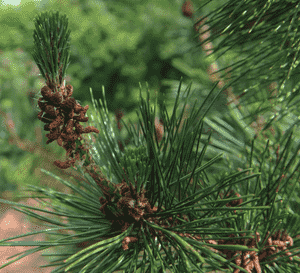
This evergreen, known for its sturdy build and thick, deep-green leaves frequently styled as bonsai or utilized for shoreline protection, flourishes with proper attention. For japanese black pine, formative trimming is ideally performed in winter to eliminate deceased, ailing, or crossing limbs, cultivating a robust, visually appealing structure. Reduction cuts enhance air movement and diminish the likelihood of pests. As japanese black pine tolerates extensive trimming, this procedure is advantageous for managing its dimensions and form while encouraging energetic, sound development.
What Are the Benefits of Pruning Japanese Black Pine?
What Are the Benefits of Pruning Japanese Black Pine?
Pruning japanese black pine promotes robust development and helps maintain its intended form. Strategic trimming eliminates dead or weak branches, fostering a strong structure and enhancing visual appeal.
What Is the Best Time for Pruning Japanese Black Pine?
What Is the Best Time for Pruning Japanese Black Pine?
Pruning japanese black pine during late winter aligns with the plant's dormant phase, minimizing stress and sap loss. This encourages vigorous new growth in spring, allows for clear structural visibility without leaves, and avoids cutting off new buds formed in the current year. Additionally, pruning wounds heal faster with the onset of the growing season, reducing disease and pest risks.
What Tools Do I Need to Prune Japanese Black Pine?
Hand Pruners
For trimming small branches and twigs of japanese black pine, hand pruners offer sufficient strength and precision. Opt for bypass pruners for clean cuts, which help prevent disease and damage to the plant.
Loppers
These are crucial for reaching higher branches and cutting through thicker material, up to approximately 1 1/2 inches in diameter. The long handles of loppers provide leverage, making pruning japanese black pine less strenuous.
Pruning Saw
For branches exceeding 1 1/2 inches that cannot be easily cut with loppers, a pruning saw is necessary. A saw with a curved blade is particularly effective for japanese black pine due to its ability to cut on both push and pull strokes.
Shears
When shaping japanese black pine or thinning its dense needle clusters, shears allow for a more controlled and uniform trim.
Pole Pruner
For elevated branches out of reach with loppers, a pole pruner extends the gardener's reach. This is beneficial for taller specimens of japanese black pine where ladder use is impractical or unsafe.
How to Prune Japanese Black Pine
Sanitize
Before pruning japanese black pine, clean and disinfect all pruning tools to prevent the spread of diseases.
Identify
Thoroughly inspect japanese black pine to identify dead or diseased branches. These often show discoloration, a lack of needles, or visible signs of infection.
Cut
Using sharp, sanitized pruning tools, make cuts to remove dead or diseased branches. Cut at a slight angle just above a healthy bud or branch junction, avoiding leaving stubs.
Disposal
Carefully dispose of the removed branches by burning or bagging them, as they may contain pathogens that could infect other plants.
Cleanup
After pruning japanese black pine, clear away all debris from the area and clean the tools again to minimize disease risk for future pruning.
Common Pruning Mistakes with Japanese Black Pine
Overpruning
Removing too much foliage at once can stress japanese black pine, hindering its growth and health.
Improper Cuts
Incorrect cutting techniques can lead to stunted growth or disease. It's important to make clean cuts without tearing the bark.
Disregarding Natural Shape
Attempting to force japanese black pine into an unnatural shape can weaken its structure and aesthetic appeal.
Pruning Healthy Needles
Unnecessarily removing healthy needles can diminish photosynthesis and vigor.
Common Pruning Tips for Japanese Black Pine
Selective Thinning
Focus on removing diseased or weak branches to improve air circulation and light penetration, encouraging strong growth.
Candle Pruning
Shorten new growth ('candles') to desired length to control the size and shape of japanese black pine, while promoting denser foliage.
Clean Tools
Always use sanitized pruning tools to prevent the spread of disease and ensure clean cuts.
Gradual Shaping
Shape japanese black pine over several seasons rather than aggressively in one go, to maintain plant health and achieve the desired form.



