How to Prune Chinese pine?
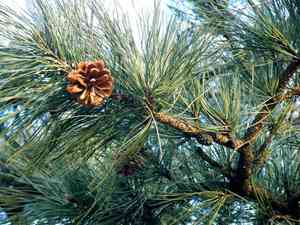
A coniferous species originating from China, chinese pine is distinguished by its lofty, conical structure and abundant greenery. Efficient trimming entails excising deceased or ailing limbs and reducing crowded sections to enhance air movement. The most suitable period for pruning is during winter when the tree is inactive. Truncating primary branches fosters a more compact growth habit, whereas judiciously trimming side branches preserves the tree's inherent silhouette. Consistent pruning additionally aids in deterring insect infestations and supports the general well-being of chinese pine.
What Are the Benefits of Pruning Chinese Pine?
What Are the Benefits of Pruning Chinese Pine?
Trimming chinese pine promotes robust development and helps maintain a desired form, crucial for both visual appeal and the plant's overall well-being.
What Is the Best Time for Pruning Chinese Pine?
What Is the Best Time for Pruning Chinese Pine?
Late winter is considered the optimal period to prune or trim chinese pine as it is typically in a dormant state during this time. Pruning during dormancy causes less stress to the tree and helps prevent sap bleeding, which can attract pests and diseases. It also allows the plant to recover faster from cuts as the weather transitions into spring, encouraging new growth. Pruning before spring growth begins enables gardeners to shape chinese pine more easily and stimulates the development of new needles and branches at the cut sites when the growing season commences. It's important to avoid cutting in the autumn, as wounds heal slower then, increasing vulnerability to decay and disease.
What Tools Do I Need to Prune Chinese Pine?
Bypass Pruners
Perfect for making clean cuts on smaller branches of chinese pine, minimizing harm to the plant's tissues.
Loppers
Equipped with long handles for increased leverage and reach, ideal for pruning medium-sized branches of chinese pine without undue strain.
Pruning Saw
Essential for cutting through larger branches of chinese pine, especially when they are too thick for loppers.
Pole Pruner
Useful for reaching higher branches of chinese pine from the ground, improving safety and accuracy in pruning tasks.
Gloves
Protects the gardener's hands from sap and potential cuts while handling branches of chinese pine.
Eye protection
Prevents debris from chinese pine, which can result from sawing or cutting, from entering the eyes during the pruning process.
How to Prune Chinese Pine
Identify
Carefully inspect chinese pine, looking for any dead or diseased branches that require removal. Dead branches typically appear dry, brittle, and may have a gray, brown, or bleached color. Diseased branches might show signs of discoloration, unusual growths, or bark that is oozing or peeling.
Clean Cut
Use clean, sharp pruning tools to make cuts on the dead or diseased branches. Make cuts at a slight angle just above a healthy branch or bud, ensuring that you do not leave a stub which can be an entry point for pests and diseases.
Remove Infected
After cutting off the diseased branches, immediately remove them from the area to prevent the spread of diseases. Disinfect your pruning tools with a solution of 1 part bleach to 9 parts water or rubbing alcohol between cuts when dealing with diseased wood.
Thinning
Thin out dense areas of chinese pine by selectively removing some of the smaller branches to improve air circulation. Ensure that the remaining branches have enough space to grow without rubbing against each other, which can lead to damage and disease.
Final Inspection
Perform a final inspection to ensure that you've removed all necessary dead and diseased branches and that the shape of chinese pine remains natural and aesthetically pleasing. Avoid over-pruning, as chinese pine typically does not require an extensive amount of cutting back.
Common Pruning Mistakes with Chinese Pine
Over-Pruning
Removing too much foliage which can stress chinese pine and reduce its vigor.
Improper Cuts
Cutting too close to the trunk or leaving a large stub can hamper chinese pine's natural healing process.
Ignoring Natural Shape
Attempting to force chinese pine into an unnatural shape can lead to poor growth and health issues.
Pruning Healthy Tips
Cutting off the healthy tips of chinese pine can slow its growth and prevent the development of a sturdy structure.
Using Dull Tools
Dull pruning tools can damage the branches of chinese pine, leading to jagged cuts that are more susceptible to disease.
Common Pruning Tips for Chinese Pine
Clean Cuts
Make clean cuts at a slight angle just above an outward-facing bud to promote healthy growth patterns for chinese pine.
Selective Thinning
Thin out crowded areas to improve air circulation and sunlight exposure, encouraging a strong structure for chinese pine.
Tool Maintenance
Use sharp and sanitized pruning tools to make precise cuts and reduce the risk of spreading pathogens to chinese pine.
Size Management
Control the size of chinese pine by removing any dead, diseased, or broken branches to maintain the plant's overall health.
Observation Before Pruning
Closely examine chinese pine to identify which branches need pruning for structural integrity rather than pruning indiscriminately.



