How to Prune Maritime pine?
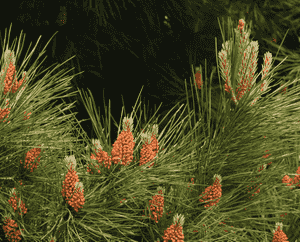
A majestic evergreen featuring elongated needles and rugged bark, Pinus pinaster is prized for its wood and aesthetic appeal. Trimming entails excising deceased or ailing limbs, reducing density for improved light and airflow, and sculpting for structural integrity. The most favorable period for pruning is in winter when the tree is inactive. For Pinus pinaster, refrain from extensive cutting to preserve its inherent shape; regular thinning fosters vigor and can deter insect problems. Pruning additionally elevates timber excellence, rendering it an essential activity for growers.
What Are the Benefits of Pruning Maritime Pine?
What Are the Benefits of Pruning Maritime Pine?
Trimming maritime pine promotes vigorous development and maintains its desired shape. It aids in eliminating dead or weak branches, fostering a robust framework for weather resistance, and ensuring sufficient light and air circulation throughout the canopy.
What Is the Best Time for Pruning Maritime Pine?
What Is the Best Time for Pruning Maritime Pine?
Late winter is considered the ideal period for pruning maritime pine as it is dormant during this season. Dormancy prevents excessive sap loss from cuts and allows for improved wound recovery once growth resumes. Pruning before the spring growth spurt will enable the tree to direct its energy to the desired branches for a strong new growth cycle. Avoid pruning in autumn because cuts heal slower, increasing the risk of fungal infections or pest infestations. Pruning during active growth in spring or summer can also stress the tree and reduce its vitality.
What Tools Do I Need to Prune Maritime Pine?
Hand Pruners
Perfect for cutting small branches and twigs of maritime pine up to 3/4 inches in diameter. They allow for precise cuts and reduce the risk of damaging the tree.
Loppers
Suitable for branches that are a bit thicker, generally up to 2 inches in diameter. They give gardeners extra reach and leverage, which is useful for accessing higher branches on maritime pine.
Pruning Saw
This tool is essential for cutting branches over 2 inches in diameter. It helps in making clean cuts without tearing the bark of maritime pine, promoting quicker healing.
Pole Pruner
For higher branches that are out of reach, a pole pruner is a must-have. It extends the gardener's reach to prune maritime pine without the need for a ladder, ensuring safety.
Shears
Or hedge clippers can be used to shape the younger hedges of maritime pine, though major shaping should be avoided as maritime pine typically has a natural growth form that is best left undisturbed.
How to Prune Maritime Pine
Cleaning Cut
Begin by cleaning your pruning tools to prevent the spread of disease. Use a solution of one part bleach to nine parts water to sanitize the shears before cutting maritime pine.
Dead Branch Removal
Identify and remove dead branches on maritime pine by cutting them at the base where they meet the trunk or a healthy branch. Make a clean cut without leaving a stub to promote better healing.
Diseased Branch Removal
Locate diseased branches on maritime pine. Make cuts well below the affected areas to ensure the complete removal of diseased tissue.
Cutting Angle
When removing branches, cut at an angle that slopes downward away from the stem to prevent water from collecting on the cut surface, which could lead to decay.
Wound Dressing
After pruning maritime pine, apply a wound dressing or pruning paint to larger cuts to protect against insects and disease until the tree can form a natural seal over the wound.
Common Pruning Mistakes with Maritime Pine
Over-Pruning
Removing too much foliage from maritime pine can stress the tree, hinder its growth, and make it more susceptible to diseases and pests.
Improper Cuts
Cutting too close to the trunk or leaving a large stub can damage maritime pine and provide entry points for disease.
Topping
Cutting off the top of maritime pine disrupts its natural growth pattern, can weaken the tree, and lead to structural issues.
Pruning Living Branches Unnecessarily
Trimming healthy, living branches without a good reason can harm maritime pine’s overall health and vitality.
Ignoring Safety
Failing to wear protective gear or use proper tools can lead to injuries to the gardener or damage to maritime pine.
Common Pruning Tips for Maritime Pine
Sanitize Tools
Always clean pruning tools before and after use to prevent the spread of disease to or from maritime pine.
Correct Cuts
Make cuts at a slight angle, away from the bud, to promote healing and prevent water accumulation that could cause rot.
Selective Thinning
Remove only dead, diseased, or overcrowded branches to improve light penetration and air circulation for maritime pine.
Maintain Structure
Aim to preserve the natural shape of maritime pine when pruning, only shaping where necessary to prevent damage or to remove anomalies.
Branch Collar Care
When removing larger branches, avoid cutting into the branch collar to allow maritime pine to heal properly and prevent decay.



