How to Prune Balkan pine?
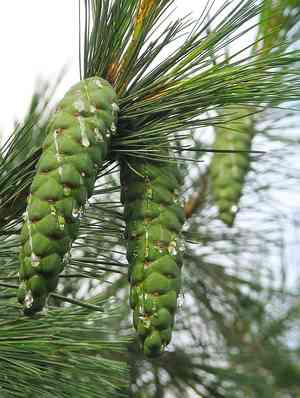
The balkan pine, a conifer with a gradual growth rate, flourishes with infrequent trimming, mainly for shaping juvenile trees and excising impaired or ailing limbs. The most favorable period for pruning is during winter, when the balkan pine is inactive, which lessens strain and boosts spring development. Judicious pruning preserves its inherent conical shape and fosters robust, thick foliage. Correct methodology involves precise cuts at branch collars, safeguarding the tree's well-being and aesthetic. Timely pruning also minimizes the leakage of sap, which is vital for the balkan pine's vigor.
What Are the Benefits of Pruning Balkan Pine?
What Are the Benefits of Pruning Balkan Pine?
Trimming balkan pine promotes robust development and maintains its desired form. It aids in eliminating dead or diseased limbs, enhancing light penetration and air circulation, which are crucial for its well-being and shape.
What Is the Best Time for Pruning Balkan Pine?
What Is the Best Time for Pruning Balkan Pine?
The ideal period for pruning balkan pine is during the winter season, specifically because the tree is in its dormant state. Pruning in the dormant season minimizes stress on balkan pine, as it conserves energy and resources due to reduced metabolic activity. Furthermore, removing branches in winter lowers the risk of pest infestation and disease transmission, as many pests and pathogens are less active during cold weather. Pruning while balkan pine is dormant also allows for clearer visibility of the tree's structure without leaves, enabling more strategic cuts that support the tree's health and desired shape for the subsequent growth season.
What Tools Do I Need to Prune Balkan Pine?
Bypass Pruners
Perfect for making clean cuts on smaller branches of balkan pine, ensuring minimal harm to the plant tissues. This assists in preserving plant health.
Loppers
Appropriate for cutting thicker branches of balkan pine, especially effective for reaching into denser foliage without damaging surrounding branches.
Pruning Saw
Essential for cutting branches exceeding 1.5 inches in diameter, common in mature balkan pine. Allows for safe and clean removal of larger branches.
Pole Pruner
Useful for reaching elevated branches without needing a ladder, making the pruning process safer and more efficient for taller balkan pine specimens.
How to Prune Balkan Pine
Identify
Examine balkan pine closely to pinpoint dead or diseased branches. Look for discolored branches, those without needles, or exhibiting signs of insect damage or fungal infection.
Prepare
Gather the necessary tools, including sharp pruning shears, a pruning saw, and gloves. Ensure all tools are clean and sanitized to prevent disease spread.
Prune dead
Carefully trim dead branches by cutting them where they meet healthy wood. Make sure cuts are clean and avoid tearing the bark, which can harm balkan pine.
Prune diseased
Remove diseased branches similarly to dead branches, but cut a few inches into the healthy wood to ensure all affected areas are completely eliminated.
Cleanup
Clear all removed branches from around the base of balkan pine to deter pests and diseases from multiplying. Dispose of diseased material properly to avoid contaminating other plants.
Common Pruning Mistakes with Balkan Pine
Over-pruning
Removing excessive foliage from balkan pine can weaken the tree, as it diminishes its ability to photosynthesize effectively. A common misunderstanding is that aggressive pruning will stimulate vigorous growth, but this can actually lead to the tree's decline in health and structural integrity.
Improper cuts
Making cuts too close to the trunk or leaving large stubs can create entry points for pests and diseases, which can harm balkan pine. Incorrect cutting techniques can also hinder the tree’s natural healing process, potentially leading to decay.
Wrong timing
Pruning at inappropriate times, even if not specified when, can stress balkan pine, as it may disrupt its natural growth cycles. This can result in suboptimal growth or reduced vigor, even though the specific timing is not discussed in this document.
Common Pruning Tips for Balkan Pine
Sharp tools
Always use sharp, clean pruning tools to make precise cuts. This helps ensure cuts are accurate and less damaging to balkan pine tissue, aiding in quicker and healthier healing.
Selective thinning
Focus on selectively thinning crowded branches, which helps improve light penetration and air circulation around balkan pine. This is particularly vital for maintaining a healthy structure and minimizing disease potential.
Judicious cutting
Limit the amount of foliage removed in any single season. Generally, it is advisable to remove no more than 10-20% of the crown, which helps maintain balkan pine's strength and vitality. This approach supports sustained health and strong structural growth.



