How to Prune Japanese white pine?
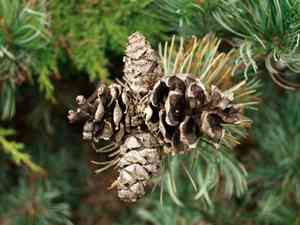
Originating from Japan, this evergreen conifer is recognized for its graceful, arched needles and appealing structure. When trimming japanese white pine, prioritize the elimination of deceased or compromised branches to sustain its well-being. Thinning cuts boost air movement, fostering development. The optimal period for pruning is during winter's inactive phase to lessen sap leakage and strain on japanese white pine. Exercise caution when pruning to uphold its inherent contour, refraining from excessive removal that could result in sparse foliage. Pruning improves ventilation, lowers the chance of illness, and preserves visual appeal.
What Are the Benefits of Pruning Japanese White Pine?
What Are the Benefits of Pruning Japanese White Pine?
Trimming japanese white pine promotes robust, vigorous development and manages its dimensions, aligning with aesthetic or spatial requirements in gardens.
What Is the Best Time for Pruning Japanese White Pine?
What Is the Best Time for Pruning Japanese White Pine?
Trimming japanese white pine in late winter is beneficial because the plant is inactive during this period, lowering the chance of sap loss and disease spread. This timing also allows for clearer viewing of the plant's structure without leaves, enabling more accurate cuts. Furthermore, late winter pruning gives japanese white pine time to recover before the spring growth surge, minimizing stress and fostering strong health. Avoid pruning in early spring when new growth starts, as this can redirect the plant's energy from the formation of flowers and cones.
What Tools Do I Need to Prune Japanese White Pine?
Bypass Pruners
Ideal for cutting through smaller branches of japanese white pine without crushing the delicate wood, ensuring healthy regrowth.
Pruning Saw
Recommended for larger branches of japanese white pine, where bypass pruners are insufficient, to make clean cuts for minimal harm.
Loppers
Effective for branches that are slightly larger and out of reach, providing leverage for precise cuts on japanese white pine.
Long-reach Pruners
Useful for shaping the outline of japanese white pine and reaching into dense foliage without disrupting the overall form.
Concave Cutters
Specialized for creating wounds that heal with minimal scarring on japanese white pine, helping maintain its attractive appearance.
How to Prune Japanese White Pine
Sanitize
Before beginning, ensure all pruning tools are clean and disinfected to prevent disease transmission. Use alcohol or a 10% bleach solution to wipe cutting surfaces.
Identify
Locate dead or diseased branches on japanese white pine that require removal. Look for branches that are discolored, brittle, or show signs of fungal growth.
Cut
Employ sharp pruning shears or a saw to make clean cuts when removing dead or diseased branches. Cut back to healthy tissue, being careful not to harm the branch collar, which is vital for proper healing.
Dispose
Discard removed branches immediately by burning or placing them in a sealed bag. Do not compost as this could spread disease.
Monitor
After pruning, observe japanese white pine for signs of stress or ongoing disease. Keep an eye on cut areas to ensure proper healing and no further disease development.
Common Pruning Mistakes with Japanese White Pine
Over-Pruning
Removing too much foliage at once can stress japanese white pine, leading to stunted growth or susceptibility to disease. Japanese white pine often requires only light trimming.
Improper Cut Locations
Making cuts either too close or too far from the branch collar can impede the healing process of japanese white pine, potentially attracting pests and diseases.
Using Dull Tools
Employing dull or unclean pruning tools can result in jagged cuts, making japanese white pine vulnerable to infections and hindering healthy regrowth.
Pruning For Symmetry
Attempting to shape japanese white pine too aggressively for symmetry can compromise its natural form and health. Japanese white pine thrives with minimal pruning that respects its inherent shape.
Ignoring Dead Branches
Failing to remove dead or damaged wood can cause japanese white pine to divert energy from healthy growth, reducing its overall vigor.
Common Pruning Tips for Japanese White Pine
Clean Tools
Ensure all pruning tools are sharp and clean to make precise cuts that encourage quicker healing in japanese white pine.
Natural Shape
Prune with the goal of maintaining japanese white pine's natural, irregular shape, respecting its unique form rather than forcing a particular style.
Selective Pruning
Focus on selective pruning, removing only dead, damaged, or crossed branches to promote light penetration and air circulation for japanese white pine.
Gentle Thinning
Utilize gentle thinning techniques to open up the canopy of japanese white pine for better light exposure and air movement, which is essential for its health and growth.
Protective Cut Location
Make pruning cuts just outside the branch collar for proper wound closure and to prevent damage to the trunk of japanese white pine.
Post-Pruning Care
Provide adequate care to japanese white pine after pruning, such as watering and mulching, to support recovery and enhance vigour.



