How to Prune Western white pine?
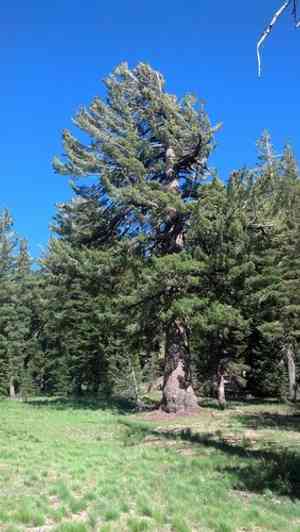
This evergreen, characterized by its unique elongated, thin foliage and impressive height, thrives with trimming during its inactive period. The primary method for western white pine entails excising lifeless or ailing limbs to foster sound development and avert problems linked to decomposition. Winter pruning reduces sap leakage and the potential for disease, guaranteeing a sturdy framework. Deliberate thinning improves air movement and light exposure, which are crucial for western white pine's vitality. This routine preserves its visual attractiveness and bolsters the tree's endurance.
What Are the Benefits of Pruning Western White Pine?
What Are the Benefits of Pruning Western White Pine?
Trimming western white pine is crucial for vitality, prompting the plant to direct energy into new development. It helps maintain a desired form, decreasing susceptibility to pests and illnesses while preserving western white pine's visual appeal.
What Is the Best Time for Pruning Western White Pine?
What Is the Best Time for Pruning Western White Pine?
Trimming or cutting western white pine from late winter to early spring, just before new growth begins, is optimal. This timing coincides with the plant's dormant phase, which minimizes sap leakage and lowers the risk of attracting insects or diseases that could harm the plant. During dormancy, the structure of western white pine is more apparent, making it simpler to identify and remove damaged or diseased limbs. Pruning after the coldest part of winter has passed helps prevent frost damage to fresh cuts. Moreover, cuts made at this time can heal more quickly with spring growth, helping western white pine recover efficiently and maintain robust health. Avoiding pruning in fall is vital as cuts do not heal as rapidly, increasing the risk of fungal infections during wet conditions.
What Tools Do I Need to Prune Western White Pine?
Hand Pruners
Perfect for removing small branches and shaping western white pine, hand pruners provide a precise and clean cut, which is important to prevent damage to the tree.
Loppers
For somewhat thicker branches typically found on western white pine, loppers offer the leverage needed to cut through branches up to 2 inches thick, helping to maintain the tree's health and structure.
Pruning Saw
When dealing with branches thicker than 2 inches, a pruning saw is essential. Western white pine's larger branches require the use of a saw to avoid tearing the bark and ensure a clean cut.
Pole Pruner
Due to the height of western white pine, a pole pruner is crucial to safely reach and trim higher branches without needing a ladder, reducing risk during pruning.
Pruning Shears
Though similar to hand pruners, they might be preferred for more delicate shaping of western white pine, offering precision for fine-scale work on young or soft growth.
How to Prune Western White Pine
Identification
Thoroughly inspect western white pine to locate all dead or diseased branches, which may show signs of decay, discoloration, or lack of foliage.
Sterilization
Ensure that pruning tools are sharp and sterilized to prevent the spread of disease during the pruning process.
Cleaning Cuts
Make clean cuts using an appropriate pruning saw or shears, cutting dead branches back to healthy tissue and removing diseased branches well into healthy wood beyond the affected area.
Wound Sealing
Avoid using wound sealants; western white pine can naturally compartmentalize and heal wounds.
Disposal
Dispose of pruned material away from healthy western white pine to prevent any potential spread of disease.
Common Pruning Mistakes with Western White Pine
Over-Pruning
Removing too much foliage can stress western white pine, as it relies on its needles to produce food through photosynthesis. It's essential to remove no more than one-quarter of the living crown at once.
Flush Cuts
Making cuts flush against the trunk can remove the branch collar, leading to improper healing and an increased risk of disease. Proper cuts should be made just outside the branch collar.
Stub Cuts
Leaving too large of a stub when cutting branches can prevent the wound from sealing and may invite pests and decay.
Tipping
Cutting the ends of branches, or 'tipping', can result in weak new growth and increase vulnerability to pests and diseases. Instead, focus on thinning cuts.
Pruning During Growth
Although timing information is excluded, pruning when western white pine is actively growing can lead to sap loss and stress the tree.
Improper Tool Use
Using dull or dirty pruning tools can cause jagged cuts that take longer to heal and may introduce diseases to western white pine.
Common Pruning Tips for Western White Pine
Sanitize Tools
Before pruning, sanitize all tools to prevent the spread of disease. This helps protect the health of western white pine.
Three-Cut Method
For larger branches, use the three-cut method to avoid bark tearing: one undercut, a second cut further out to remove the branch's weight, and a final cut at the branch collar.
Selective Thinning
Focus on selective thinning to remove dead, diseased, or overcrowded branches, which promotes better air circulation and sunlight penetration.
Pruning For Shape
When shaping western white pine, aim for a natural form, pruning away only those branches that are out of place, to maintain the species' characteristic silhouette.
Protect Cut Areas
After making cuts, ensure the areas are clean and allow them to air dry naturally. Do not apply wound dressings, as they can hinder the healing process of western white pine.
Prune For Health
Remove only what is necessary for the health of western white pine, focusing on branches that may pose a risk due to weakness or damage.



