How to Prune Limber pine?
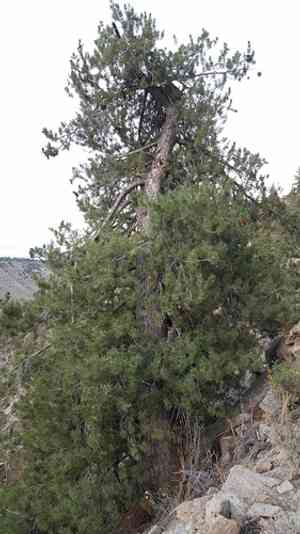
A resilient evergreen, Pinus flexilis flourishes in diverse environments and is recognized for its pliable boughs. Perform trimming during its dormant period in winter to foster robust development and uphold its structure. Eliminate deceased or compromised branches, alleviate congested zones for enhanced light and air circulation, and moderately trim fresh growth to retain its inherent silhouette. Trimming this variety can diminish susceptibility to ailments and bolster resilience against environmental pressures.
What Are the Benefits of Pruning Limber Pine?
What Are the Benefits of Pruning Limber Pine?
Trimming limber pine promotes robust development and assists in preserving its desired form. It can stimulate fresh, vigorous growth while ensuring the plant remains visually appealing and well-structured.
What Is the Best Time for Pruning Limber Pine?
What Is the Best Time for Pruning Limber Pine?
Late winter is chosen as the optimal period for trimming limber pine because the plant is typically inactive during this phase, minimizing stress and sap loss. This timing prevents the potential spread of illness and facilitates better wound recovery as new growth commences in spring. Additionally, the absence of foliage offers improved visibility for evaluating and executing precise cuts, which fosters a healthier structure and growth pattern for limber pine.
What Tools Do I Need to Prune Limber Pine?
Hand Pruners
Perfect for removing smaller branches and twigs of limber pine, hand pruners offer accuracy and control, especially vital for shaping the tree without causing undue harm to the plant.
Loppers
Featuring long handles and a greater cutting capacity, loppers are suitable for severing branches up to 1.5 inches in diameter, common in limber pine. This implement aids in reaching higher branches and applying the extra force required for thicker growth.
Pruning Saw
Utilized for larger branches that hand pruners and loppers cannot manage, a pruning saw allows the gardener to make clean cuts on branches exceeding 1.5 inches in diameter. Clean cuts are essential for the health and recovery of limber pine after pruning.
Pole Pruners
For elevated branches that are out of reach, pole pruners can be employed on limber pine to selectively thin out the canopy. This is important for maintaining structural soundness and aesthetic form without needing to ascend the tree.
How to Prune Limber Pine
Cleaning Tools
Prior to beginning, sanitize the pruning implements with a solution of one part bleach to nine parts water to prevent the transmission of disease to limber pine.
Identifying Branches
Locate dead or diseased branches on limber pine. These are typically dry, lack needles, and may exhibit discoloration or clear indications of fungal infection.
Pruning Dead
Using a pruning saw, carefully remove dead branches from limber pine by cutting at the point where they connect to a larger branch or the trunk, without damaging the branch collar.
Pruning Diseased
Trim diseased branches on limber pine, cutting at least several inches into healthy wood beyond the point of visible infection to ensure all affected tissue is eliminated.
Disposing
Discard the removed dead and diseased branches immediately, far from limber pine, to prevent the potential spread of pests or diseases.
Common Pruning Mistakes with Limber Pine
Overpruning
Removing an excessive amount of foliage from limber pine can stress the tree, impede its growth, and render it susceptible to diseases and pests. It's crucial to prune no more than 25% of the crown at any single time.
Improper Cuts
Incorrect cutting methods such as leaving stubs, tearing the bark, or cutting too close to the trunk can harm limber pine and introduce disease. Proper cuts are made at the branch collar without injuring the trunk bark.
Topping
Severing the top of limber pine to reduce its height, also known as 'topping', can result in weak new growth and increased vulnerability to pests and diseases.
Pruning Healthy Limbs
Randomly cutting healthy, well-positioned branches might compromise the structural integrity and aesthetic shape of limber pine. It's vital to have a clear justification for each cut.
Removing Large Branches
Cutting off substantial branches can create wounds that limber pine may struggle to heal, opening the door to decay and disease.
Neglecting To Clean Tools
Not sterilizing pruning tools between cuts and trees can spread diseases. Clean tools prevent the transmission of potential pathogens.
Common Pruning Tips for Limber Pine
Selective Pruning
Carefully choose which branches to remove from limber pine, focusing on those that are dead, diseased, or rubbing together to encourage healthy growth and a strong structure.
Proper Cutting Technique
Make pruning cuts just outside the branch collar to promote proper healing. Avoid flush cuts against the trunk, as they can cause large wounds and hinder proper closure.
Branch Size
When pruning limber pine, prioritize removing smaller branches which the tree can heal more easily. Pruning larger branches should be left to experienced gardeners or professionals.
Prune For Shape
Maintain the natural shape of limber pine by following its growth pattern when making pruning decisions, removing only what is necessary to improve the tree's health and aesthetics.
Tool Maintenance
Keep pruning tools sharp and clean to make precise cuts and reduce the risk of transmitting diseases when pruning limber pine. Disinfect tools with a solution like isopropyl alcohol.
Scaffold Branches
Develop and maintain a good framework of scaffold branches to ensure the structural integrity and optimize sunlight penetration throughout the canopy of limber pine.



