How to Prune Pinyon pine?
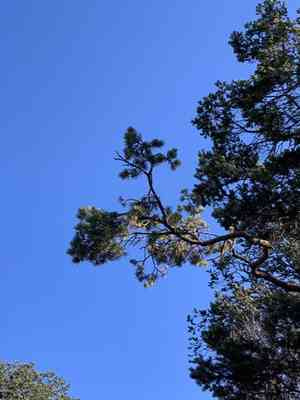
A diminutive evergreen tree celebrated for its hardiness and edible seeds, pinyon pine flourishes with limited trimming. The optimal trimming method entails excising deceased or ailing limbs to preserve its well-being. Trimming ought to take place in the colder months when the tree is inactive, thereby lessening sap leakage and averting illness. Infrequent reduction of congested branches enhances light exposure and air movement, fostering development. Appropriate trimming aids pinyon pine by encouraging a robust framework and diminishing the likelihood of insect invasions.
Advantages of Trimming Pinyon Pine
Advantages of Trimming Pinyon Pine
Trimming pinyon pine promotes robust development by encouraging new growth and maintaining its desired form. Regular removal of dead or overgrown branches helps preserve the plant's structure and vitality.
Optimal Time for Trimming Pinyon Pine
Optimal Time for Trimming Pinyon Pine
Winter is ideal for trimming pinyon pine as the plant is dormant, minimizing stress and disease spread. The absence of leaves offers better visibility for precise cuts. Trimming at this time prepares pinyon pine for vigorous growth in the spring and helps maintain its shape and size. Avoid trimming during sap flow or active growth periods, as this can weaken pinyon pine or disrupt its natural development.
Tools Required for Trimming Pinyon Pine
Hand Pruners
For clean cuts on small pinyon pine branches, up to about 1/2 to 3/4 inches in diameter. These tools offer precision and control for maintenance trimming.
Lopping Shears
To cut through thicker pinyon pine branches, typically up to about 1 1/2 to 2 inches in diameter. Their long handles provide leverage for larger cuts with less effort.
Pruning Saw
Essential for cutting branches over 2 inches in diameter. A pruning saw allows for tougher cuts on pinyon pine without harming surrounding branches or the main trunk.
Pole Pruner
For reaching higher branches without a ladder, pole pruners are excellent for thinning old growth and maintaining the general shape of pinyon pine.
Pruning Gloves
Thick gloves should be used to protect the gardener's hands from pinyon pine's sharp needles and potential resin.
Disinfectant
Before and after trimming pinyon pine, tools should be disinfected to prevent disease transmission. A solution of 1 part bleach to 9 parts water can be used as a disinfectant.
How to Trim Pinyon Pine
Step1: Timing for Trimming
Determine the best time of year to trim pinyon pine, which is generally late winter to early spring before new growth begins, to minimize sap loss and stress.
Step2: Tool Sterilization
Clean and sterilize your trimming tools before starting to prevent disease spread. Use a solution of 1 part bleach to 9 parts water or 70% isopropyl alcohol to wipe the blades.
Step3: Branch Inspection
Examine pinyon pine thoroughly for dead wood, diseased branches, and broken limbs. Look for any signs of discoloration, fungus, or branches that no longer have green, flexible growth.
Step4: Dead Wood Removal
Begin by removing any dead wood. Cut the branch back to the point of living tissue, ensuring to make your cut at a slight angle just above a bud or branch junction point to facilitate healing.
Step5: Disease Clearance
Use the appropriate cutting technique for removing diseased branches. Cut at least a few inches below the diseased area to ensure all affected parts are removed. It's critical to avoid spreading the disease to healthy parts of pinyon pine.
Step6: Broken Limb Trimming
Trim broken limbs cleanly without tearing the bark. Make the cut just beyond the collar of the branch (the swollen area where the branch meets the trunk) to promote proper healing.
Step7: Material Disposal
Dispose of all removed material away from healthy plants to prevent the spread of any potential disease. Do not compost diseased or dead material.
Step8: Post-Trimming Tool Sanitation
After trimming, sanitize your tools again using the same method as in Step 2 to avoid contaminating other plants or the next time you trim pinyon pine.
Step9: Plant Shaping Assessment
Consider if shaping is necessary. Pinyon pine usually has a natural shape that does not require heavy trimming. If shaping is needed, do so minimally to maintain the plant's natural form.
Step10: Post-Trimming Monitoring
Monitor pinyon pine after trimming for signs of stress or disease, particularly around the cuts. Proper after-care can include watering, mulching, and applying a tree wound dressing if recommended by a professional.
Post-Trimming Care for Pinyon Pine
Post-Trimming Care for Pinyon Pine
Immediately after trimming pinyon pine, ensure it’s adequately watered to mitigate stress. Position pinyon pine in partial sunlight and shield from harsh conditions. Maintain ambient humidity and avoid temperature extremes to prevent shock. Post-trimming, delay fertilization for a month to allow pinyon pine to heal, then apply a balanced nutrient mix tailored for pines. Regularly inspect the trimming sites for signs of distress or disease, such as resin oozing or discoloration. If detected, consult a specialist for appropriate treatment to avoid further damage.
Common Trimming Mistakes with Pinyon Pine
Over-trimming Stressing Plant
Trimming pinyon pine too excessively in one session, which can stress the tree and lead to poor growth or increased susceptibility to pests and diseases.
Improper Tool Use Damaging Branches
Using improper or dull tools, which can cause jagged cuts that are difficult for pinyon pine to heal, potentially leading to disease entry points.
Excessive Canopy Removal Hindering Photosynthesis
Removing too much of the live canopy, which can limit pinyon pine's ability to photosynthesize effectively and thus reduce its overall health and vigor.
Lack of Trimming Plan Affecting Natural Shape
Trimming without a clear objective or plan can result in an undesirable shape and could damage the natural form of pinyon pine.
Neglecting Minor Diseased Branches
Ignoring diseased or damaged branches because they seem minor, which can allow diseases to spread and weaken pinyon pine over time.
Common Trimming Tips for Pinyon Pine
Use Sharp, Clean Tools for Smooth Cuts
Ensure all trimming cuts are made with sharp, clean tools to create smooth cuts that pinyon pine can heal quickly, lowering the risk of disease.
First Remove Dead or Diseased Branches
Focus on removing dead, dying, or diseased branches first to improve pinyon pine's overall health and aesthetic, and to prevent potential safety hazards.
Proper Branch Shortening Above Lateral Branches
When shortening branches, make cuts just above lateral branches that are at least one-third the diameter of the limb being removed to promote healthy regrowth.
Correct Angle for Branch Collar Trimming
Trim branches at the proper angle, which should be just outside the branch collar without leaving a stub, to promote proper healing for pinyon pine.
Thinning Crowded Areas for Plant Health
Maintain the natural shape of pinyon pine by selectively thinning out crowded areas to enhance sunlight penetration and air circulation, which can reduce disease pressure.
Prevent Bark Tearing with Undercut Technique
Avoid tearing the bark when removing larger branches by making a preliminary cut on the underside of the branch before making the final cut from the top.
Maintain Single Leader for Structural Integrity
When shaping pinyon pine, remove any competing leader branches to maintain a single, dominant trunk for better structural integrity.
Inspect and Touch-up Trimming Cuts
After trimming, inspect cuts to ensure they are clean and smooth; if necessary, perform additional light touch-ups.



